
Description
SDL IDS3 Advanced UAV Wireless Data Link RTK ADS-B – 30Km ~ 200Km UAV/USV/UGV Professional Communication System
SDL IDS3 UAV Wireless Data Link RTK ADS-B Integration Product Overview:
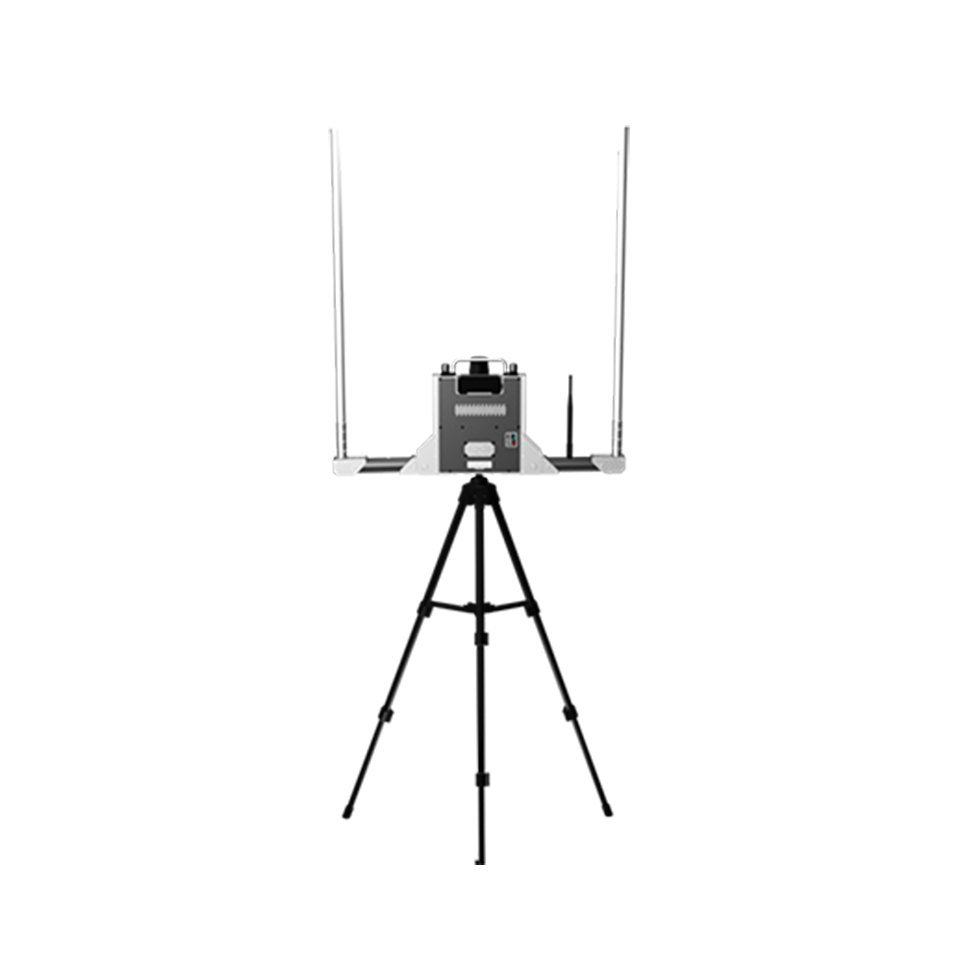
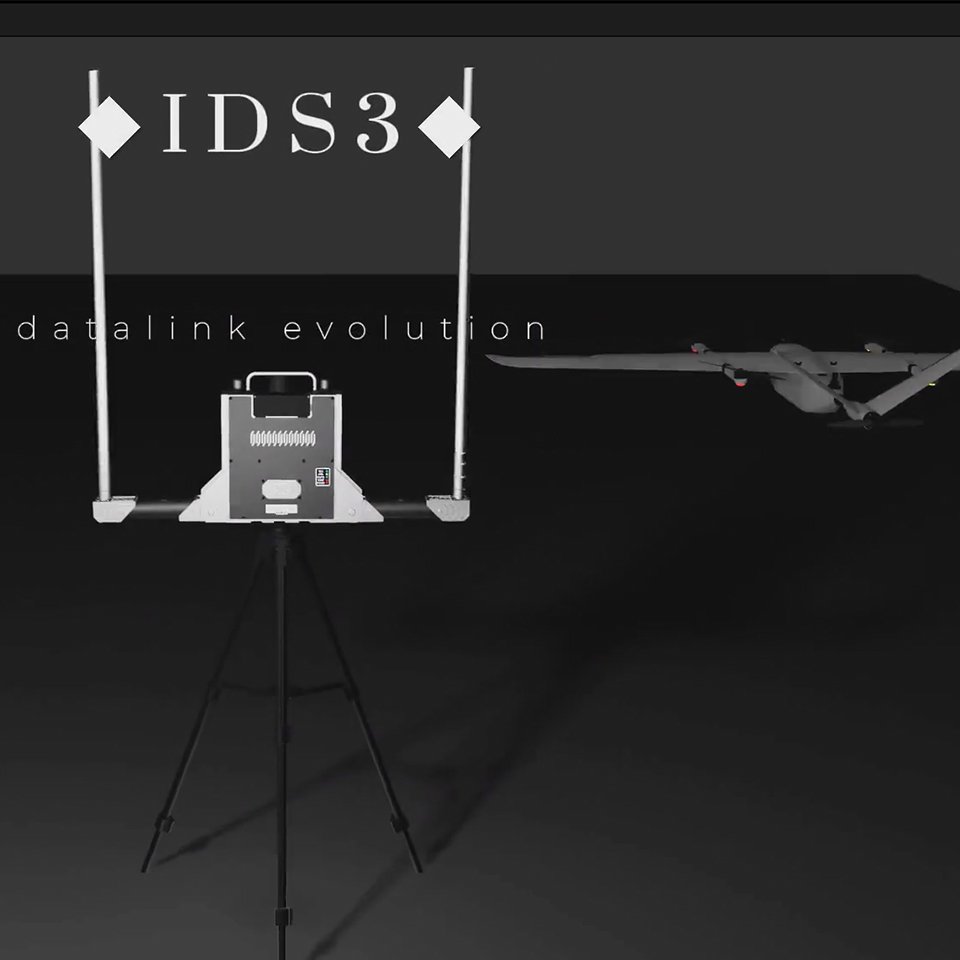
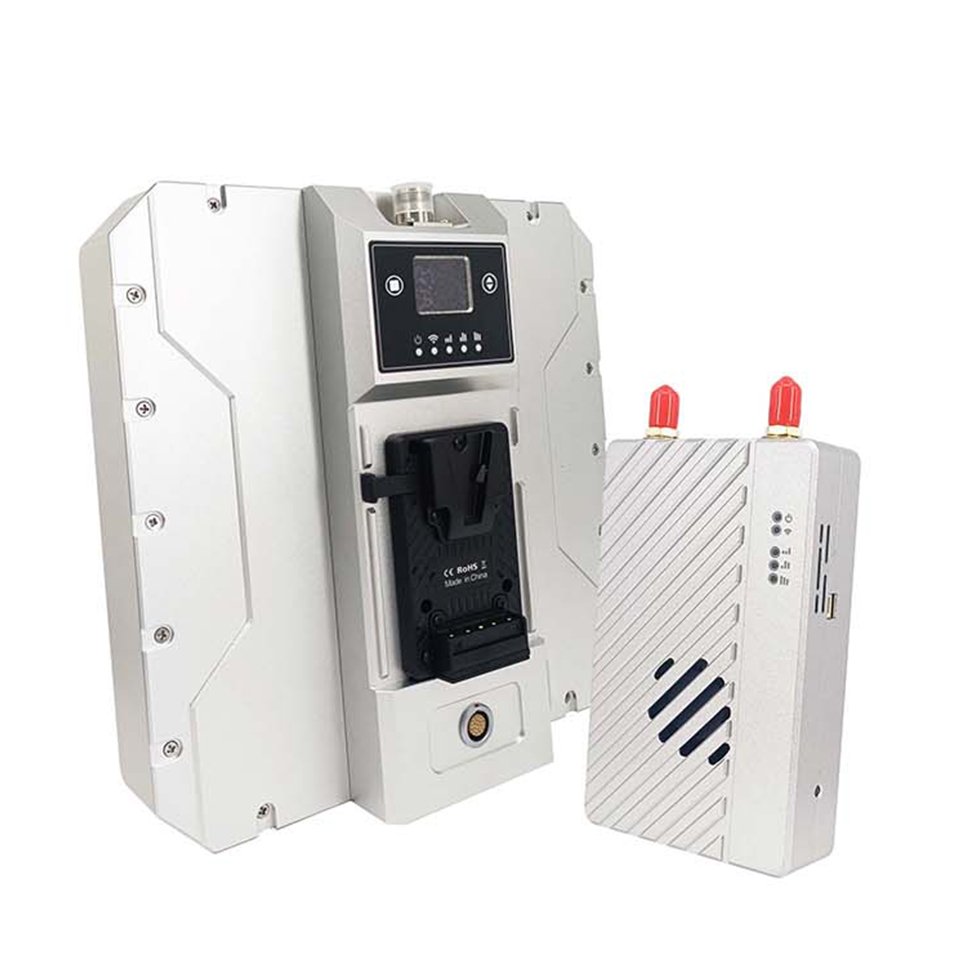
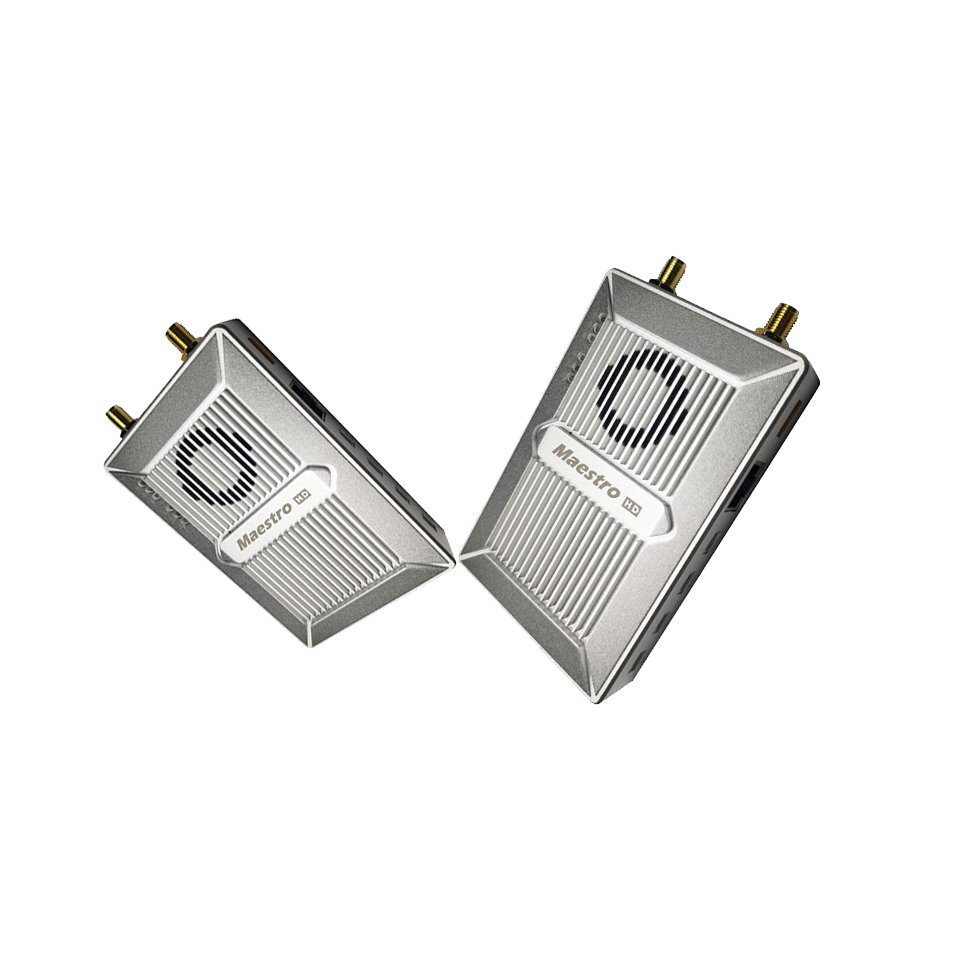
The SDL IDS3 UAV Wireless Data Link RTK ADS-B represents the third generation of unmanned aerial vehicle communication systems developed by SoarApex, engineered to substantially improve communication performance and environmental situational awareness for professional unmanned operations. This next-generation communication platform delivers enhanced wireless image and data transmission capabilities while integrating real-time kinematic satellite base station functionality and automatic dependent surveillance-broadcast information reception modules.
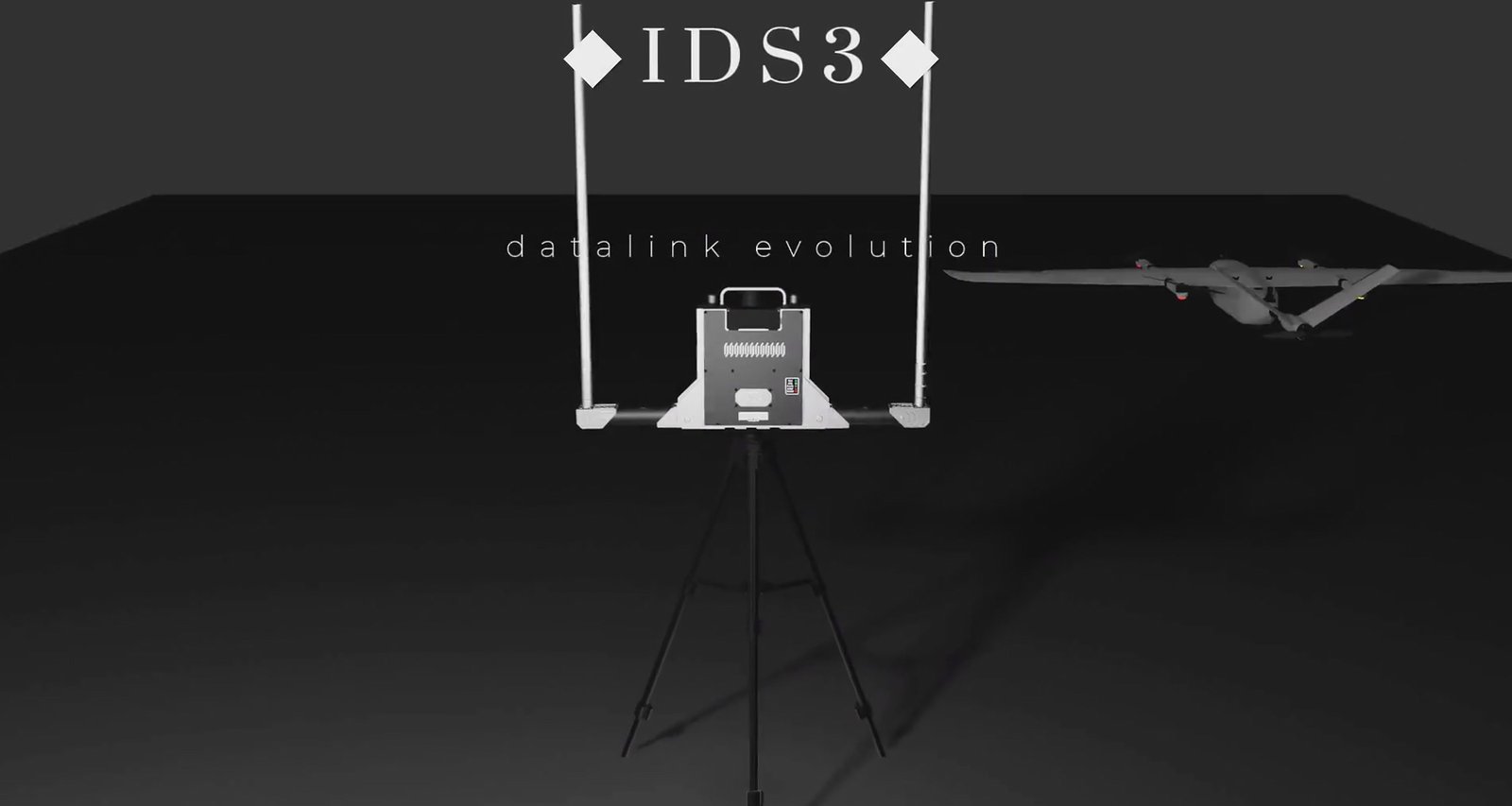
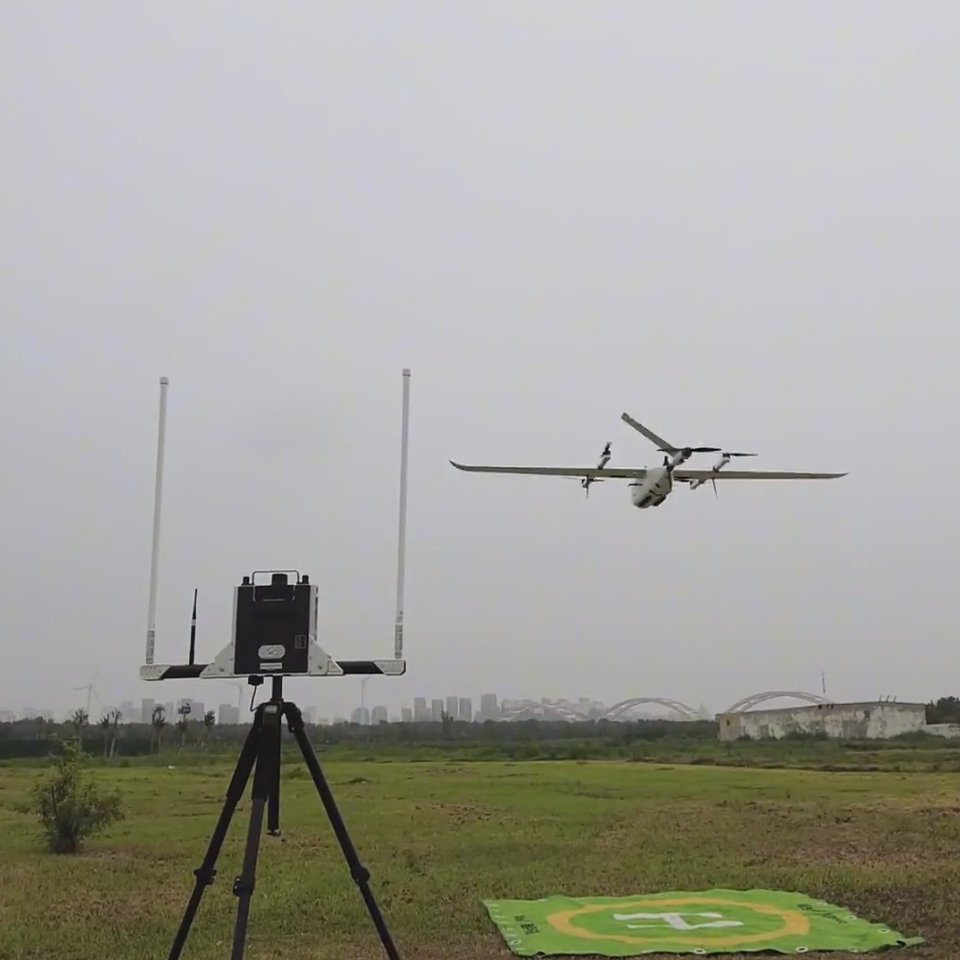
Designed as a portable long-range data link evolution, the IDS3 UAV Wireless Data Link RTK ADS-B achieves omnidirectional communication ranges up to 30 kilometers, with the directional configuration extending operational reach to 80 kilometers when paired with BVLOS Antenna Tracking System hardware. The system supports real-time link status monitoring, ADS-B traffic information reception, and automated conflict alerting, making it an essential communication backbone for Fixed-wing Platforms, Multi-rotor Drones, and FPV & Specialized Platforms operating in complex airspace environments.
Extended Range Communication Architecture
Compared to previous generation communication systems, the SDL IDS3 delivers substantially improved communication capability with 30-kilometer omnidirectional range for image and data transmission. Through optimization of automation technologies including automatic retransmission request, automatic frequency selection, adaptive modulation, automatic antenna selection, and automatic power control, the IDS3 UAV Wireless Data Link RTK ADS-B achieves superior anti-interference capability with reduced operating power consumption.
These intelligent automation features ensure a more stable communication experience in complex interference environments such as urban airspace, where multipath propagation, co-channel interference, and transient RF noise sources challenge conventional radio links. The adaptive modulation algorithm dynamically adjusts spectral efficiency based on real-time channel conditions, maximizing throughput when propagation is favorable while maintaining link connectivity under degraded conditions.
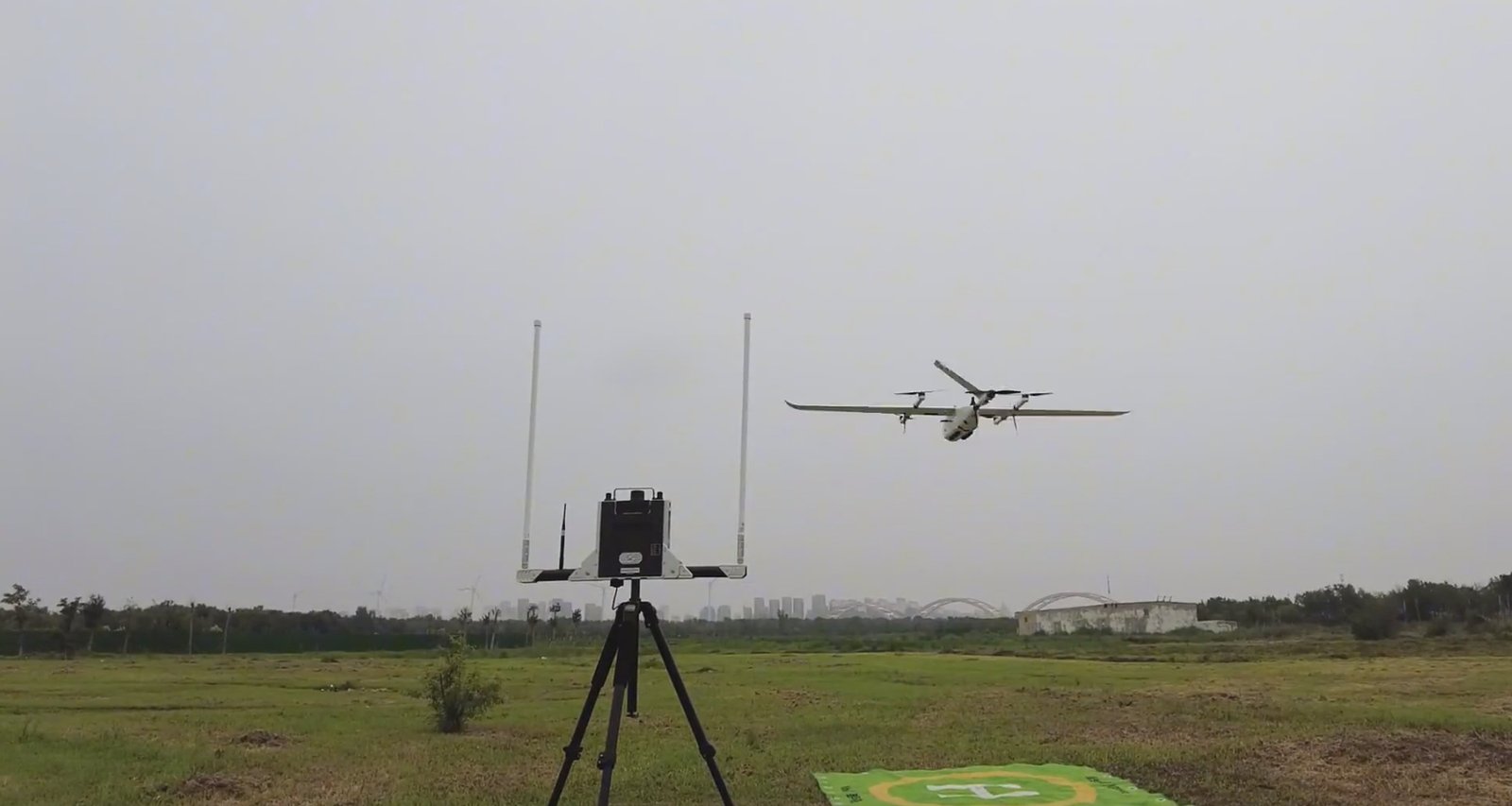
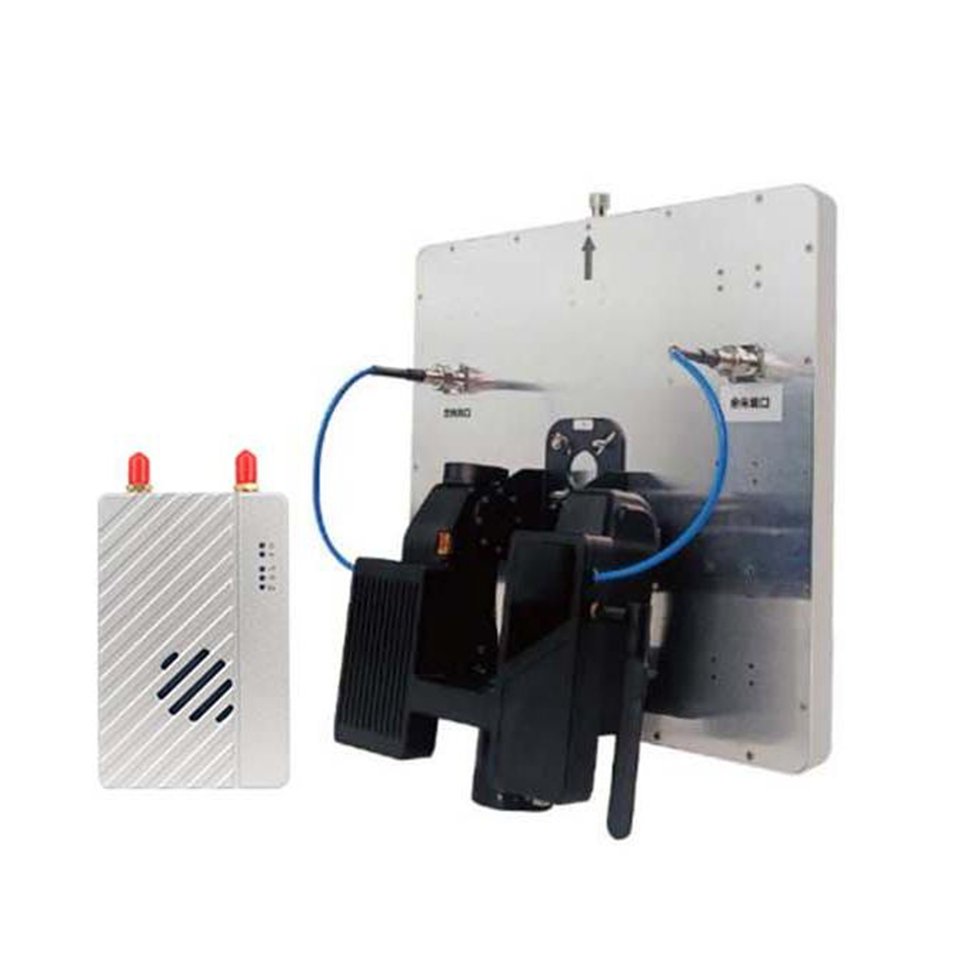
For missions requiring maximum range extension, users can configure the ATS automatic tracking communication system, which employs directional antennas that automatically track the drone throughout its flight profile. This directional configuration achieves communication distances exceeding 80 kilometers, providing unmanned aerial vehicles with substantially enhanced operational capabilities for long-endurance missions and beyond-visual-line-of-sight operations.
Real-Time Link Status Monitoring
The complexity of actual operational environments frequently introduces challenges including link latency, packet loss, and intermittent connectivity degradation. Without effective diagnostic data, troubleshooting these issues and accurately locating root causes becomes extremely difficult, potentially compromising mission success and flight safety.
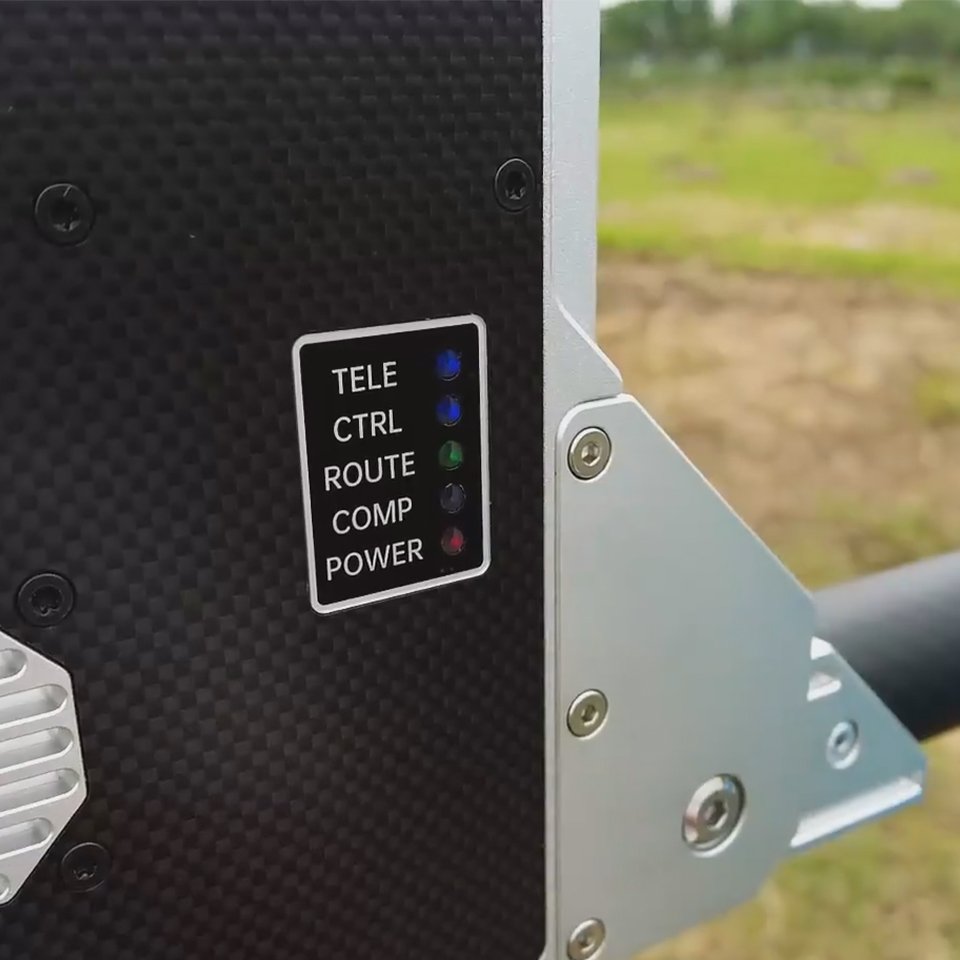
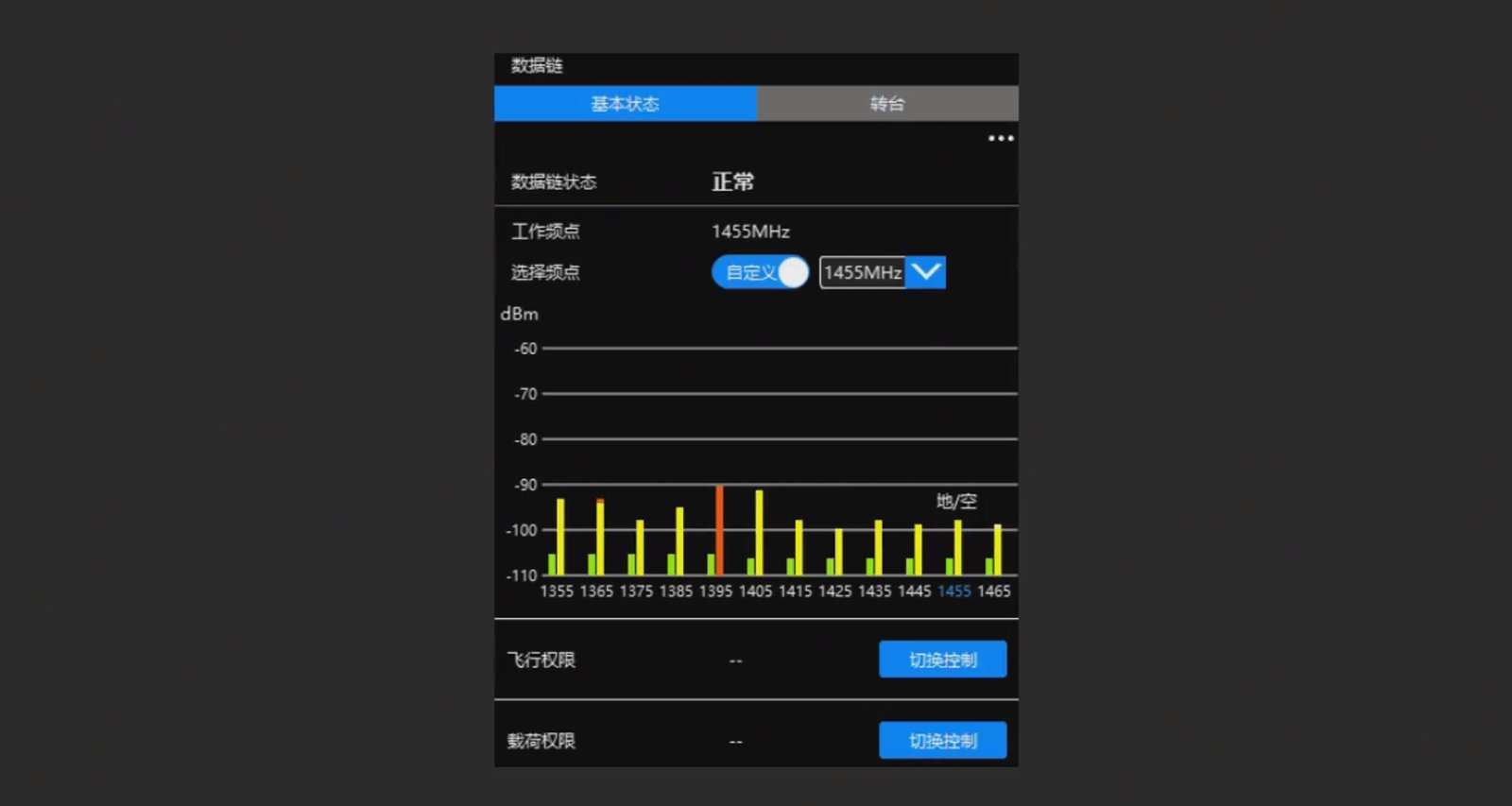
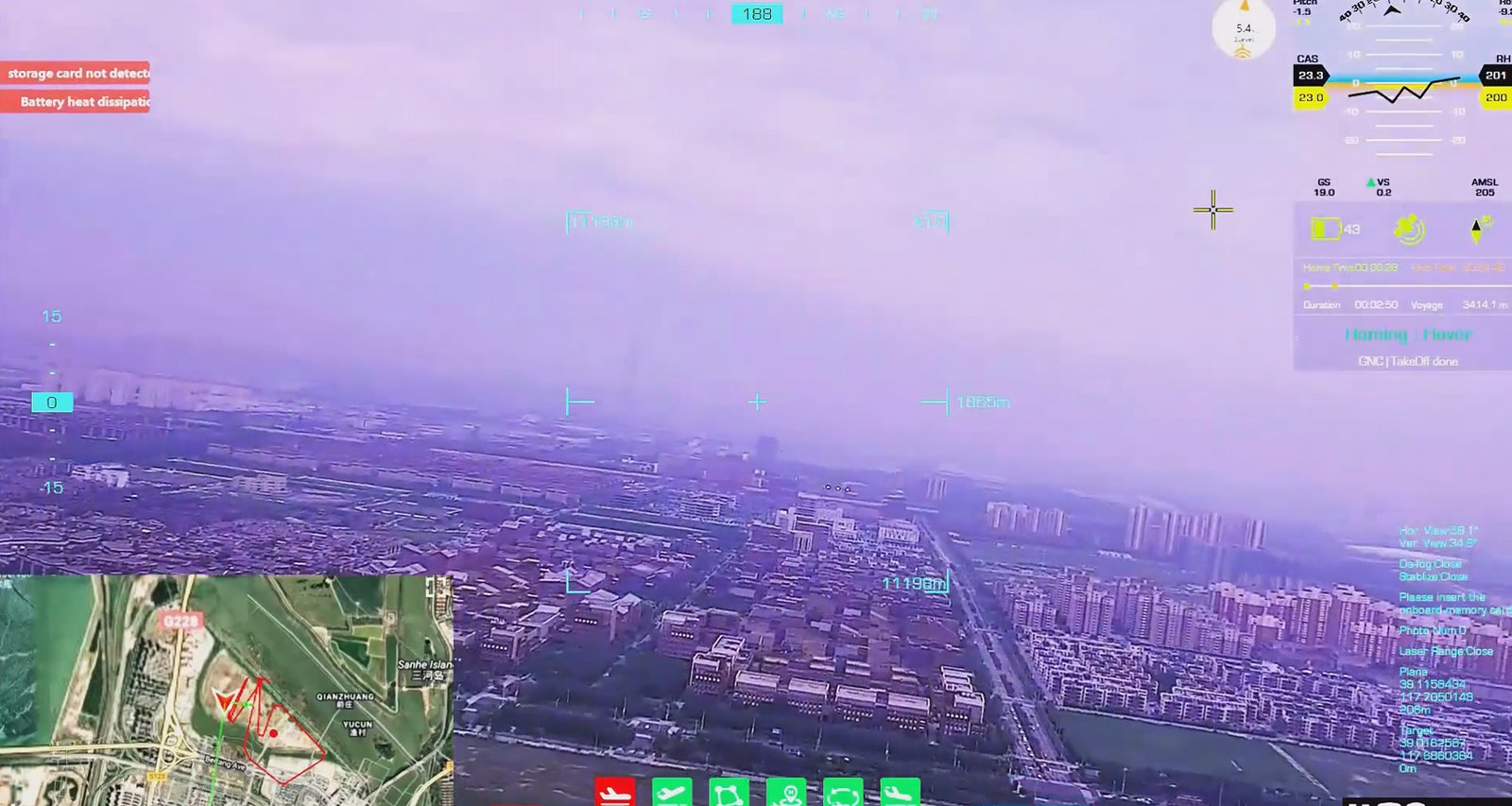
In response to these operational challenges, the SDL IDS3 incorporates comprehensive real-time link status monitoring. Through the visual design of the SPACE UAV ground control software interface, operators can rapidly determine whether electromagnetic interference is present in the current operational environment. This diagnostic capability provides critical decision support, ensuring that each mission assignment maintains stable and reliable communication throughout the flight envelope.
The IDS3 UAV Wireless Data Link RTK ADS-B supports both manual and automatic frequency selection functions. Based on interference monitoring results from the operational environment assessment, the system can operate in fixed frequency band mode or automatic frequency modulation working mode. This flexibility allows operators to either maintain spectrum stability for predictable interference environments or enable dynamic frequency agility for contested electromagnetic conditions.
ADS-B Traffic Awareness and Conflict Alerting
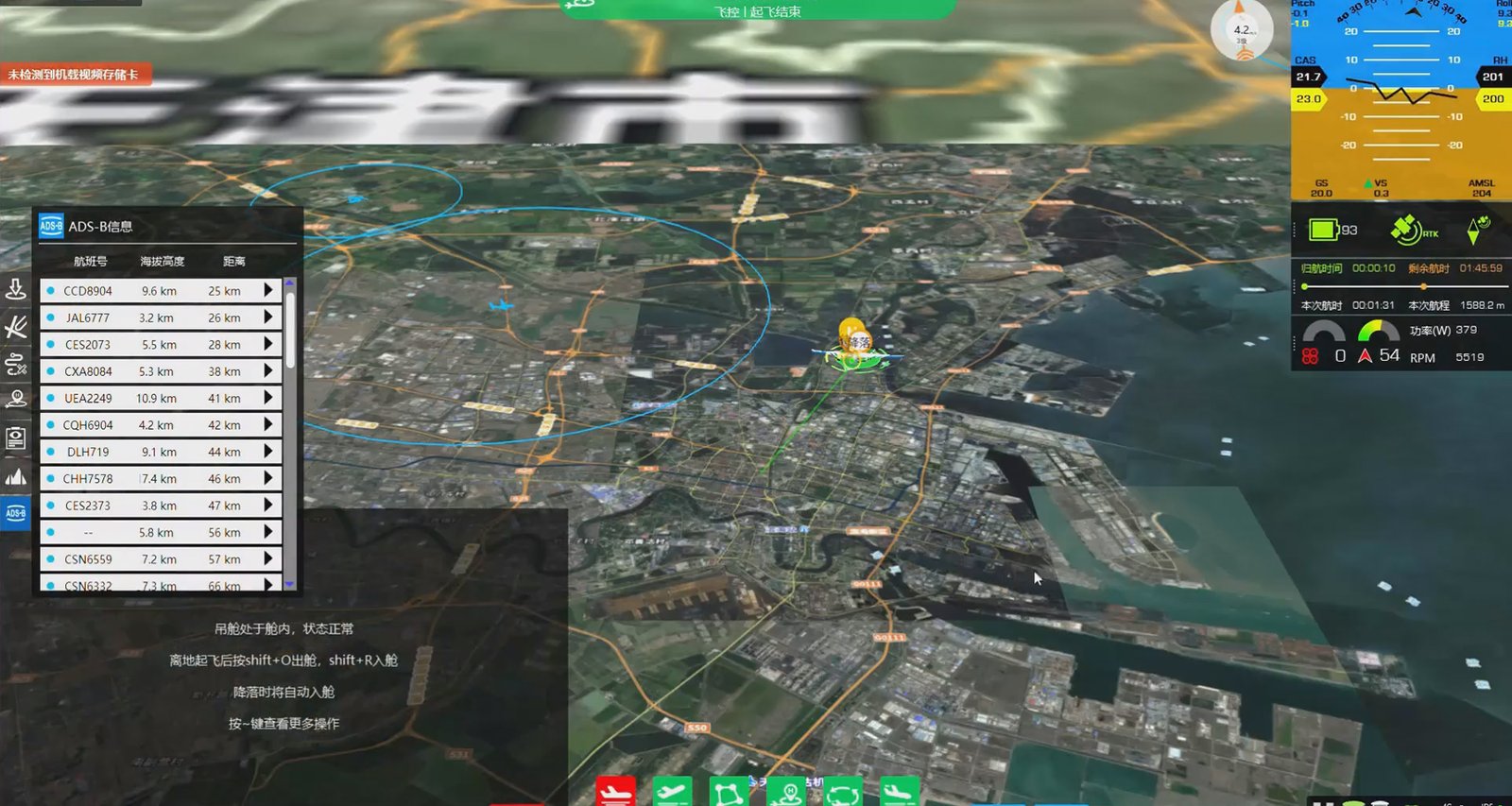
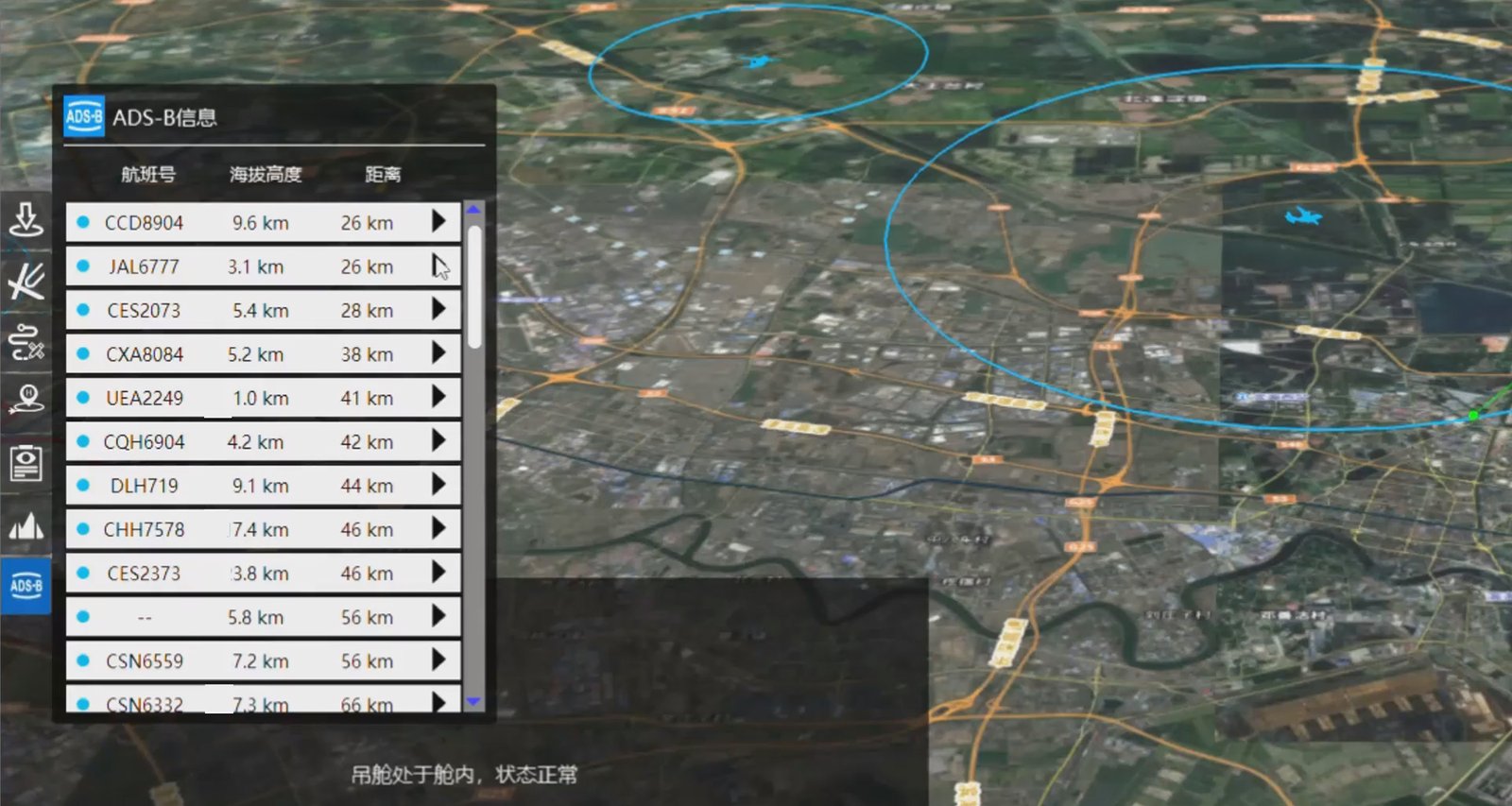
ADS-B (Automatic Dependent Surveillance-Broadcast) represents a globally promoted aircraft surveillance technology endorsed by the International Civil Aviation Organization. Through the integrated ADS-B information receiving module, unmanned aerial vehicles can perceive the flight situation of surrounding manned aircraft, enabling safer and more rational flight route planning.
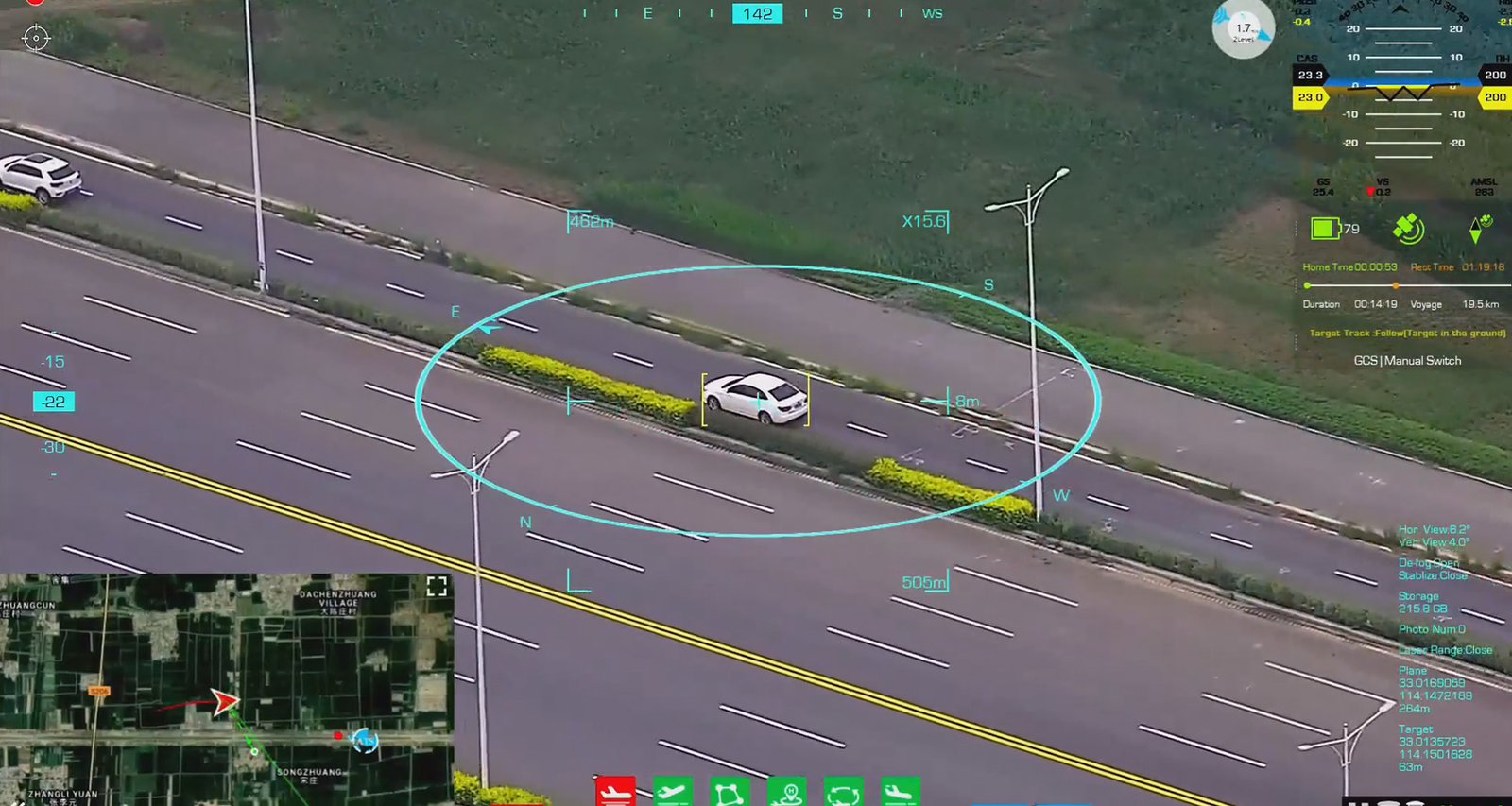
Using the SPACE UAV ground control software, operators can visually monitor whether manned aircraft are operating in proximity and review their flight information including position, altitude, heading, and velocity vectors. This traffic awareness capability is essential for operations in controlled airspace, near airports, and in corridors shared with conventional aviation.
SPACE UAV automatically generates alarm prompts based on received manned aircraft flight information. When a manned aircraft approaches the drone operating area, the interface displays prominent alarm information with visual and audible alerts. This conflict detection and alerting system enhances operational safety by providing operators with sufficient time to execute avoidance maneuvers or initiate controlled flight termination procedures.
The ADS-B integration transforms the IDS3 UAV Wireless Data Link RTK ADS-B from a simple communication link into a comprehensive airspace awareness platform, supporting regulatory compliance and safe integration of unmanned systems into the national airspace system.
RTK Satellite Base Station Integration
The SDL IDS3 UAV Wireless Data Link RTK ADS-B integrates a real-time kinematic satellite base station, enabling high-precision flight and precision landing even in environments without cellular network connectivity. No manual configuration or connection procedure is required; the ground station automatically searches for and establishes connections to differential correction base stations. The unmanned aerial vehicle automatically enters RTK positioning mode after meeting the required satellite geometry and signal quality conditions, ensuring precise and error-free positioning for every flight.
This RTK integration delivers centimeter-level positioning accuracy essential for precision agriculture, aerial surveying, infrastructure inspection, and autonomous landing operations. The automatic base station connection eliminates operator configuration errors and reduces pre-flight preparation time, improving operational efficiency for UAV Industrial Solution deployments where rapid response is critical.
Dual Type-C Power Supply Architecture
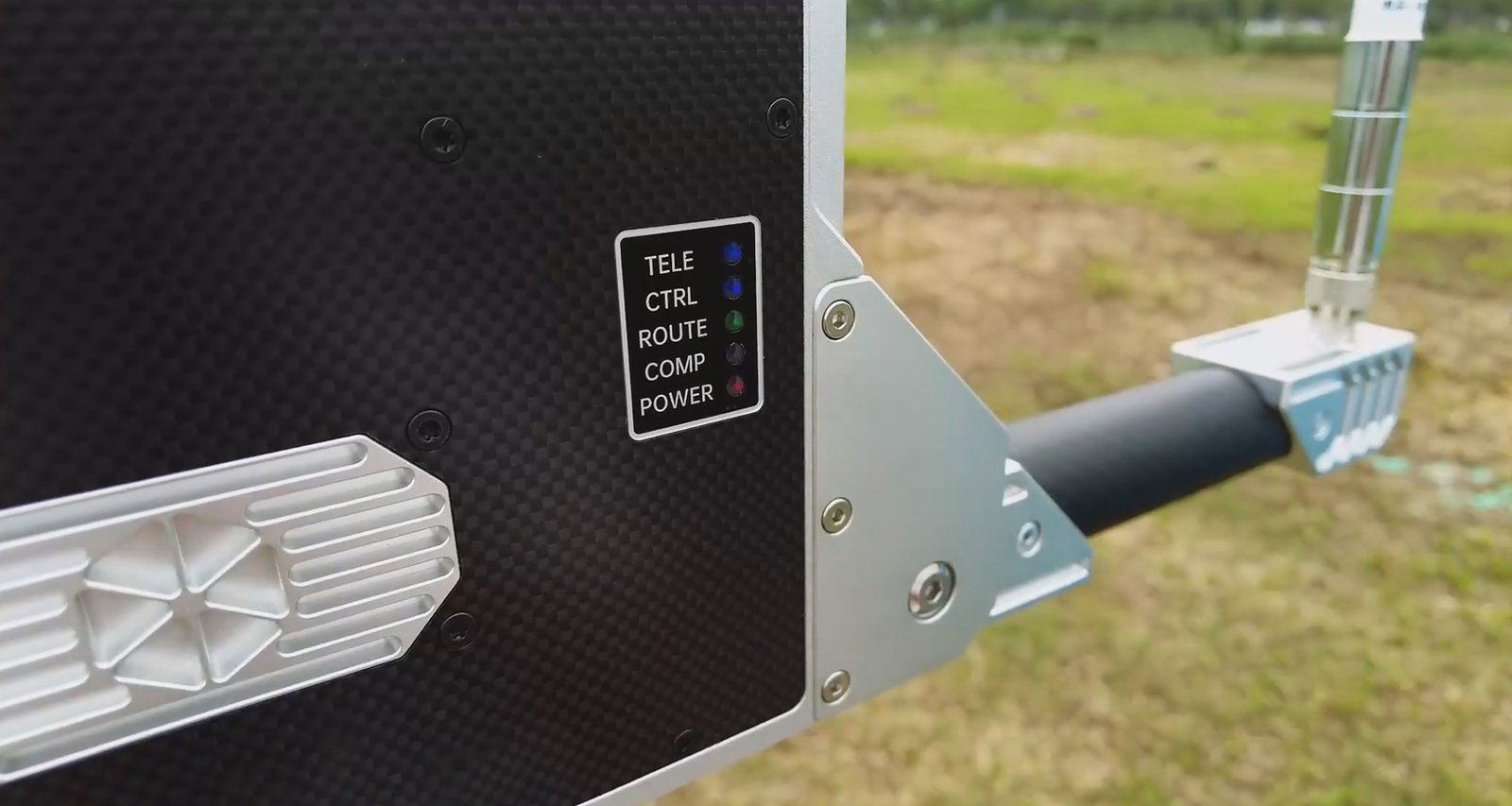
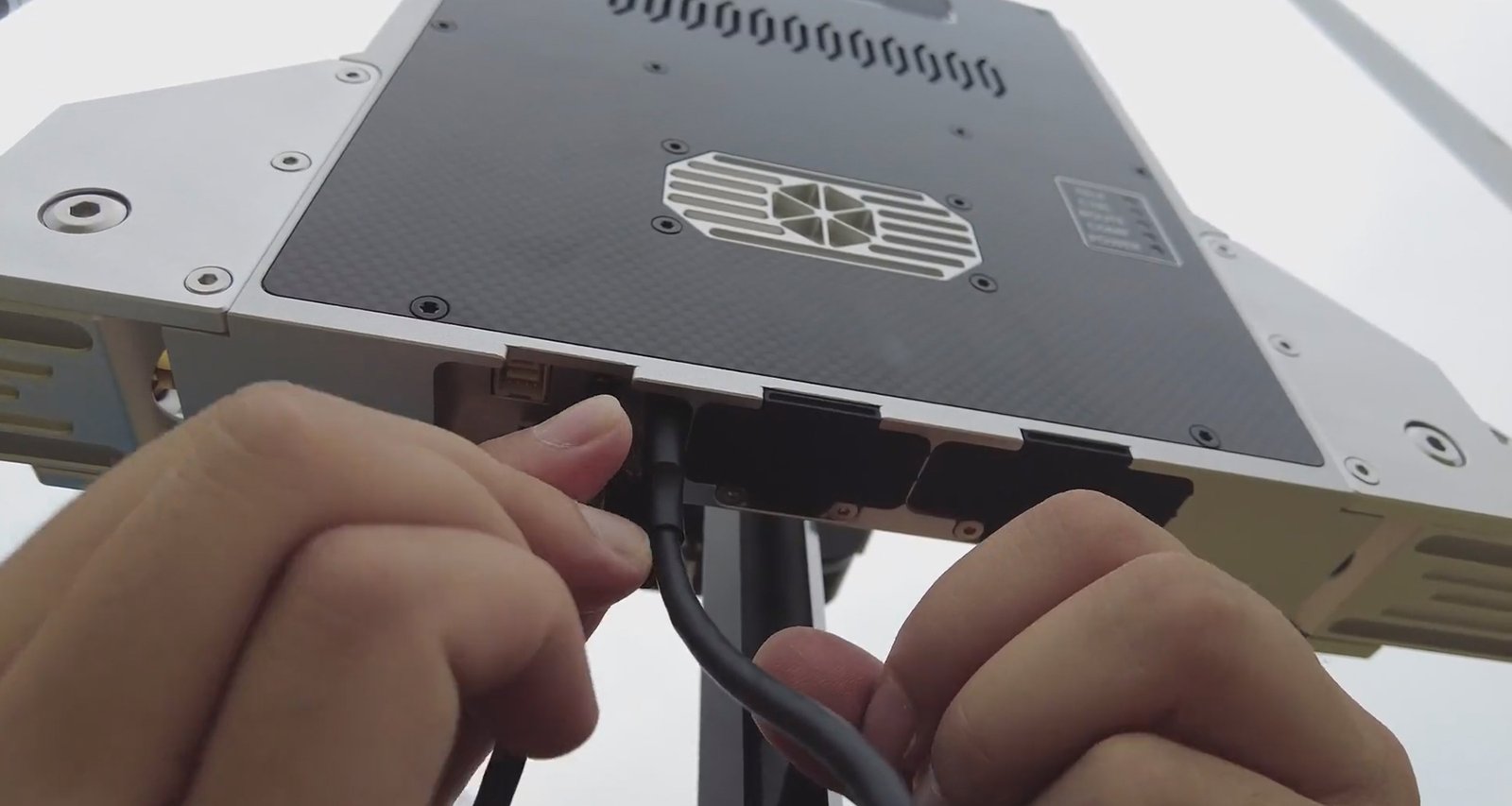
The IDS3 UAV Wireless Data Link RTK ADS-B adopts a dual Type-C interface power supply design, enabling direct power from standard portable power banks. When battery capacity becomes depleted during extended operations, a fresh power bank can be substituted without interrupting system power, completely eliminating battery anxiety and ensuring continuous communication availability throughout the mission duration.
This hot-swappable power architecture is particularly valuable for field operations where access to conventional power infrastructure is limited. The ubiquitous Type-C standard ensures compatibility with widely available consumer power banks, reducing logistical complexity and spare parts inventory requirements.
One-Click Quick Pairing
The SDL IDS3 UAV Wireless Data Link RTK ADS-B optimizes the data link pairing process through one-click quick pairing functionality. A single ground terminal can rapidly pair with multiple unmanned aerial vehicles, enabling efficient fleet management and reducing pre-flight configuration time. This streamlined pairing process is essential for operations involving multiple aircraft, such as swarm coordination, sequential launch and recovery, and distributed sensor networks.
Dual-Antenna High-Speed Wi-Fi
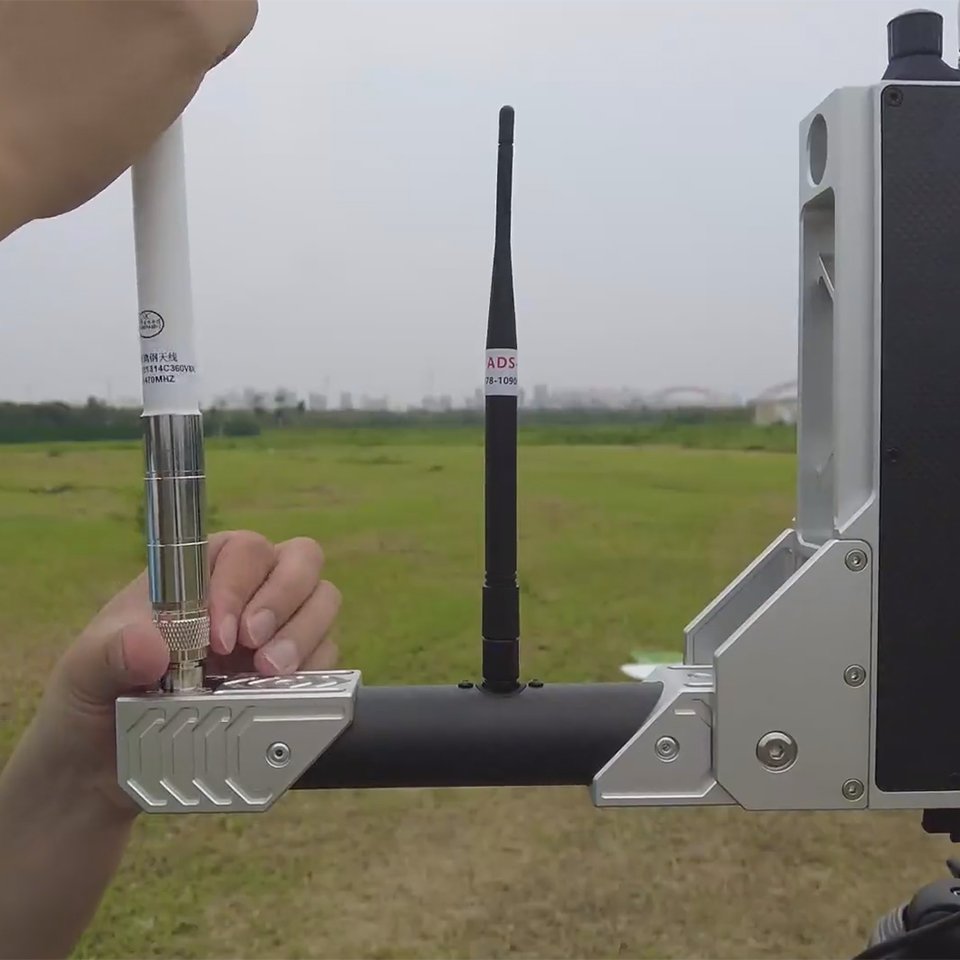
The IDS3 UAV Wireless Data Link RTK ADS-B significantly optimizes wireless local area network performance through a dual-antenna design, further improving communication distance and stability. This antenna diversity eliminates the cable harness management challenges associated with conventional wired ground station configurations, reducing setup complexity and improving operational reliability. The dual-antenna architecture provides spatial diversity gain that mitigates multipath fading and improves link robustness in indoor and urban operational environments.
Foldable Transport Design
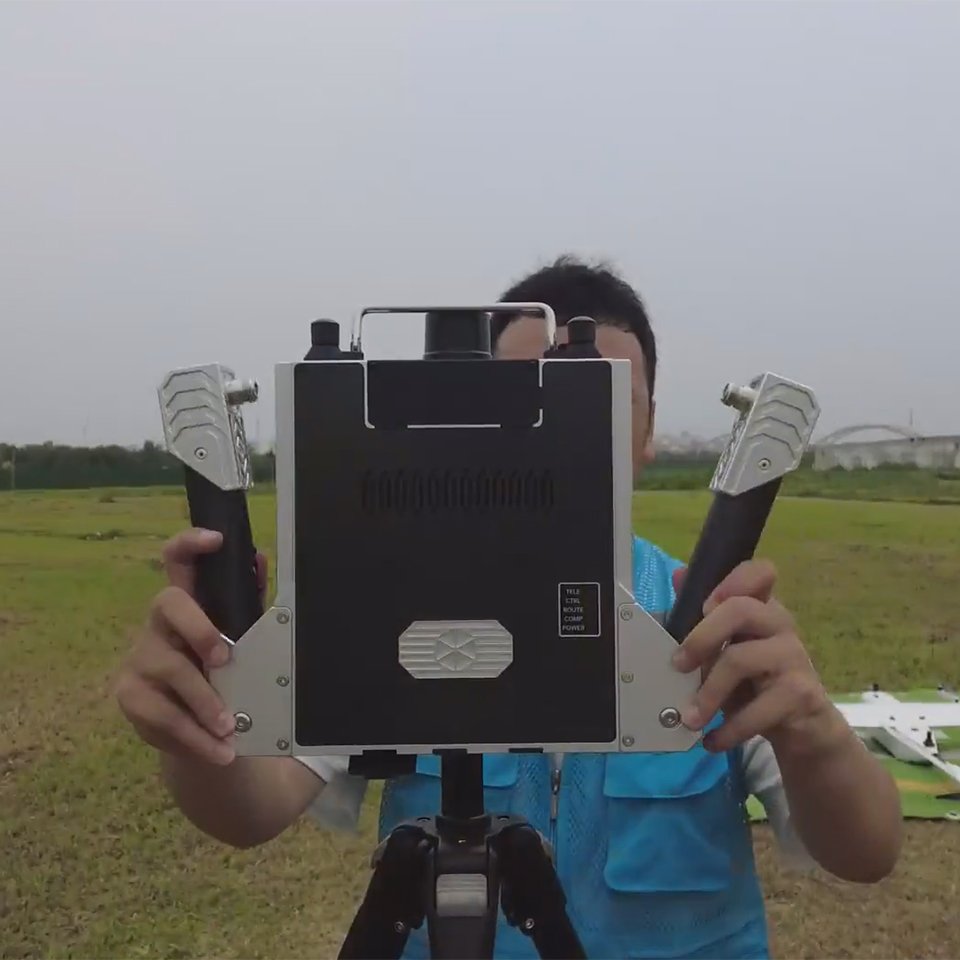
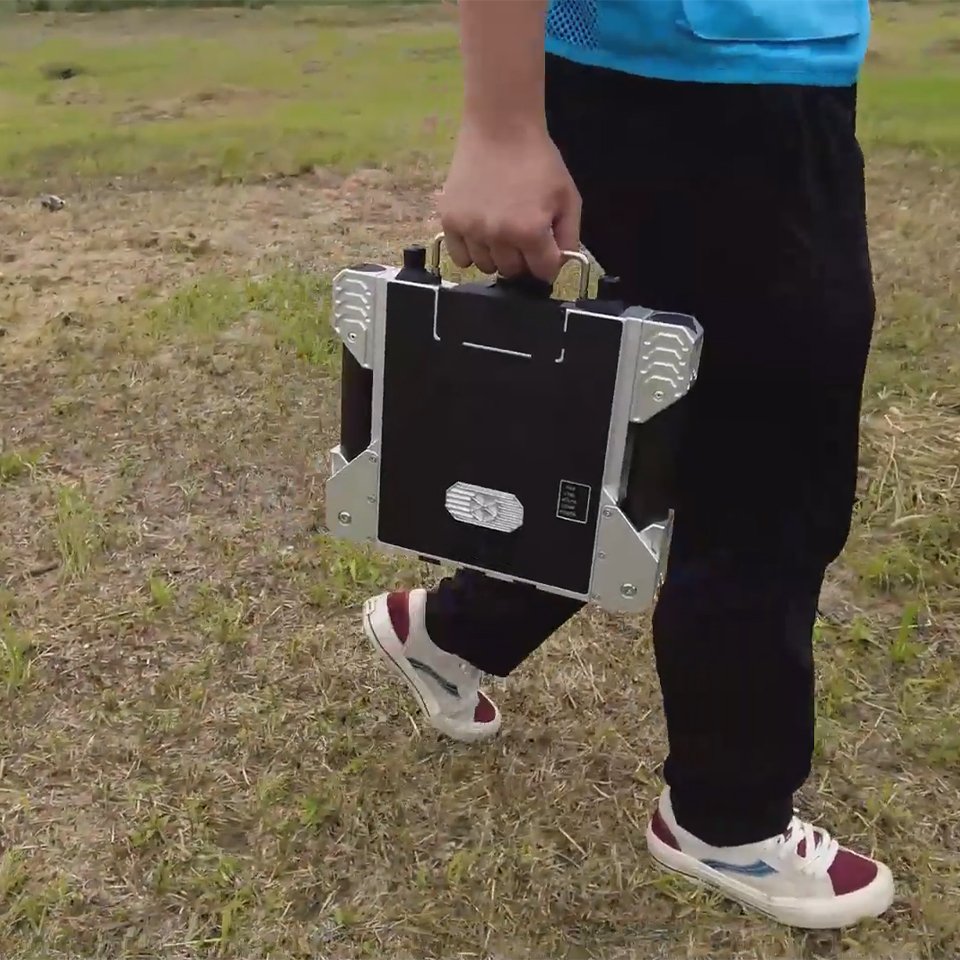
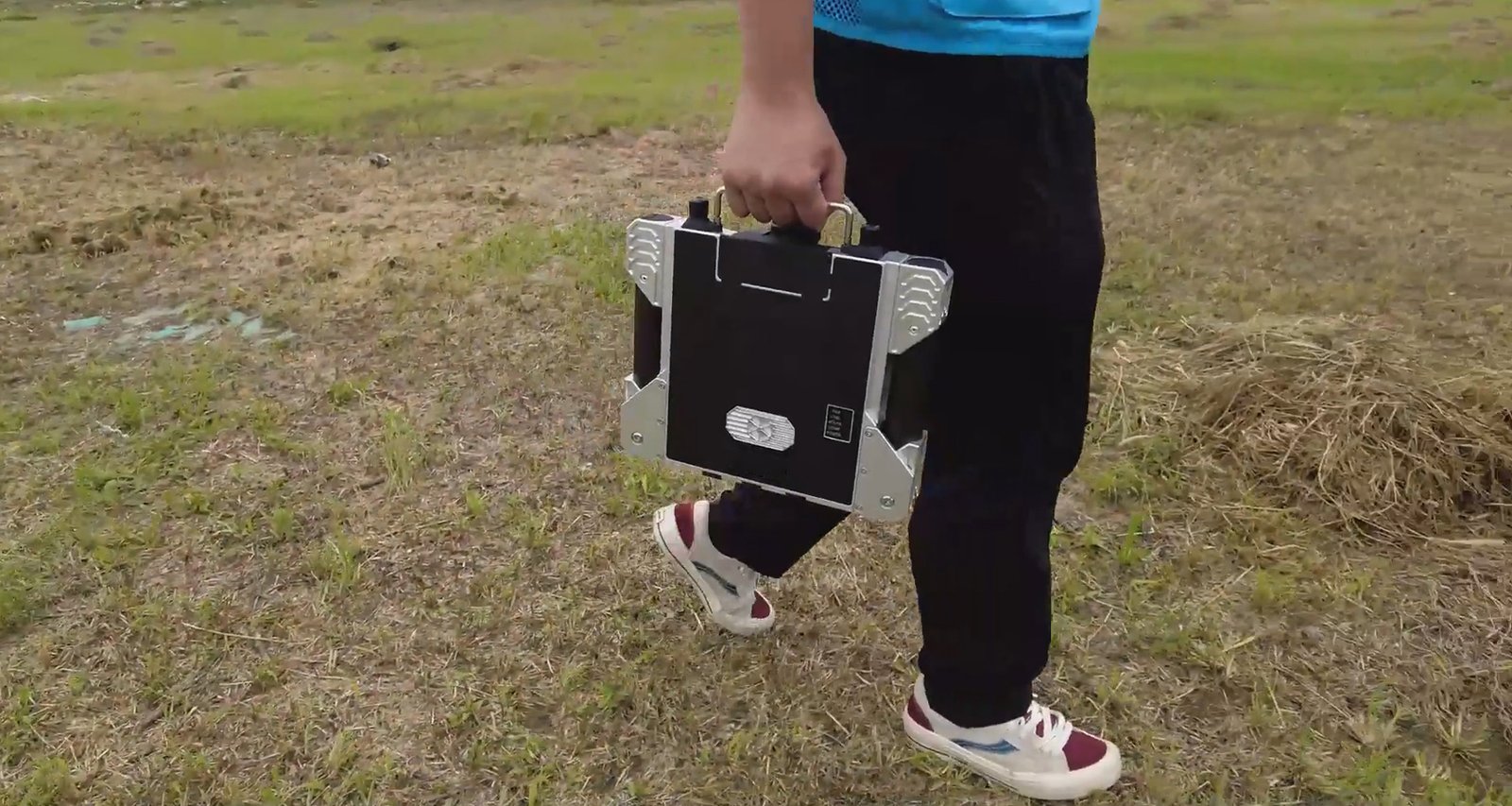
The IDS3 UAV Wireless Data Link RTK ADS-B incorporates a folding bracket design that achieves a lightweight and compact form factor when stowed. The antenna bracket folds during transportation to minimize storage volume and can be rapidly unfolded during field deployment. This design reduces unmanned aerial vehicle deployment and retrieval time, improving operational tempo for time-critical missions and reducing operator workload during repeated launch and recovery cycles.
UAV Wireless Data Link RTK ADS-B Product Compatibility
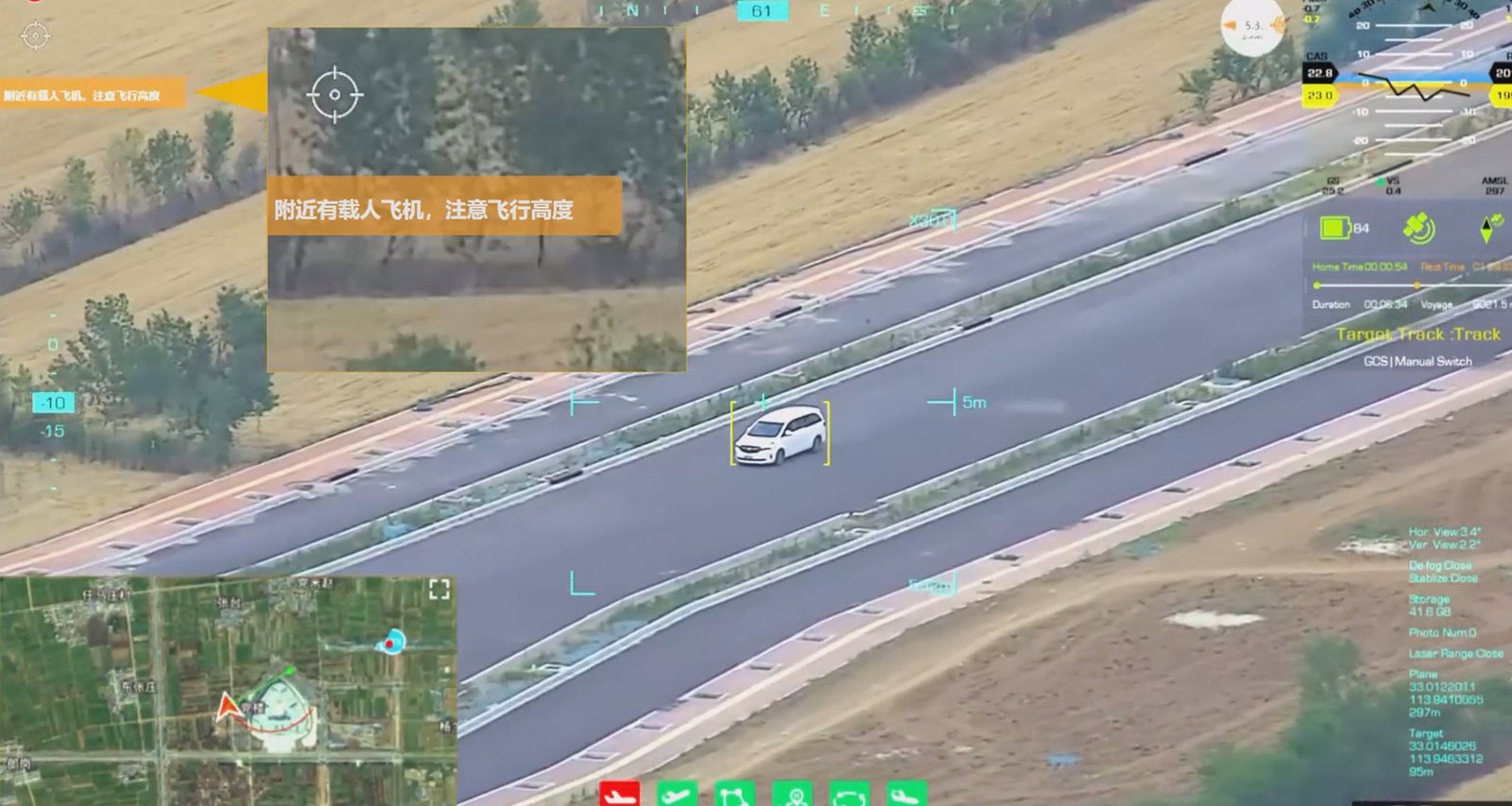
The IDS3 UAV Wireless Data Link RTK ADS-B supports the AheadX Technology QP530 reconnaissance drone, QP537 reconnaissance drone, and third-party unmanned aerial vehicles equipped with AheadX avionics products. This compatibility ensures seamless integration with established unmanned system platforms while providing upgrade pathways for existing fleets.
Technical Specifications Summary
- – Omnidirectional Range: 30 kilometers
- – Directional Range: 80 kilometers (with ATS tracking system)
- – Automation Features: Automatic retransmission, frequency selection, adaptive modulation, antenna selection, power control
- – Airspace Awareness: ADS-B reception and conflict alerting
- – Positioning: Integrated RTK base station with automatic connection
- – Power Supply: Dual Type-C with hot-swap capability
- – Pairing: One-click quick pairing, multi-aircraft support
- – Wi-Fi: Dual-antenna high-speed design
- – Form Factor: Foldable bracket with compact stowage
- – Software: SPACE UAV ground control with visual link monitoring
UAV Wireless Data Link RTK ADS-B Applications
The IDS3 UAV Wireless Data Link RTK ADS-B is deployed across multiple unmanned system disciplines requiring reliable long-range communication with airspace awareness:
- – Urban Airspace Operations: ADS-B traffic awareness for safe flight in controlled airspace
- – Precision Agriculture: RTK positioning for centimeter-level spraying and planting accuracy
- – Infrastructure Inspection: Extended-range HD video for power line and tower assessment
- – Aerial Surveying and Mapping: High-precision georeferencing for photogrammetry missions
- – Search and Rescue: Long-range communication with traffic avoidance in shared airspace
- – Emergency Response: Rapid deployment with hot-swap power for extended operations
- – Border Patrol and Security: Encrypted communication with manned aircraft conflict detection
- – Scientific Research: Atmospheric sampling with precise positioning and airspace coordination
For integration support, custom protocol development, or volume pricing inquiries, please contact our engineering team.
Explanation of Industry Terminology
| Automatic dependent surveillance-broadcast | https://en.wikipedia.org/wiki/Automatic_Dependent_Surveillance%E2%80%93Broadcast |
| Real-time kinematic | https://en.wikipedia.org/wiki/Real-time_kinematic_positioning |
| Adaptive modulation | https://en.wikipedia.org/wiki/Adaptive_modulation |
| Multipath propagation | https://en.wikipedia.org/wiki/Multipath_propagation |
| Automatic retransmission request | https://en.wikipedia.org/wiki/Automatic_repeat_request |
Reviews
There are no reviews yet.