
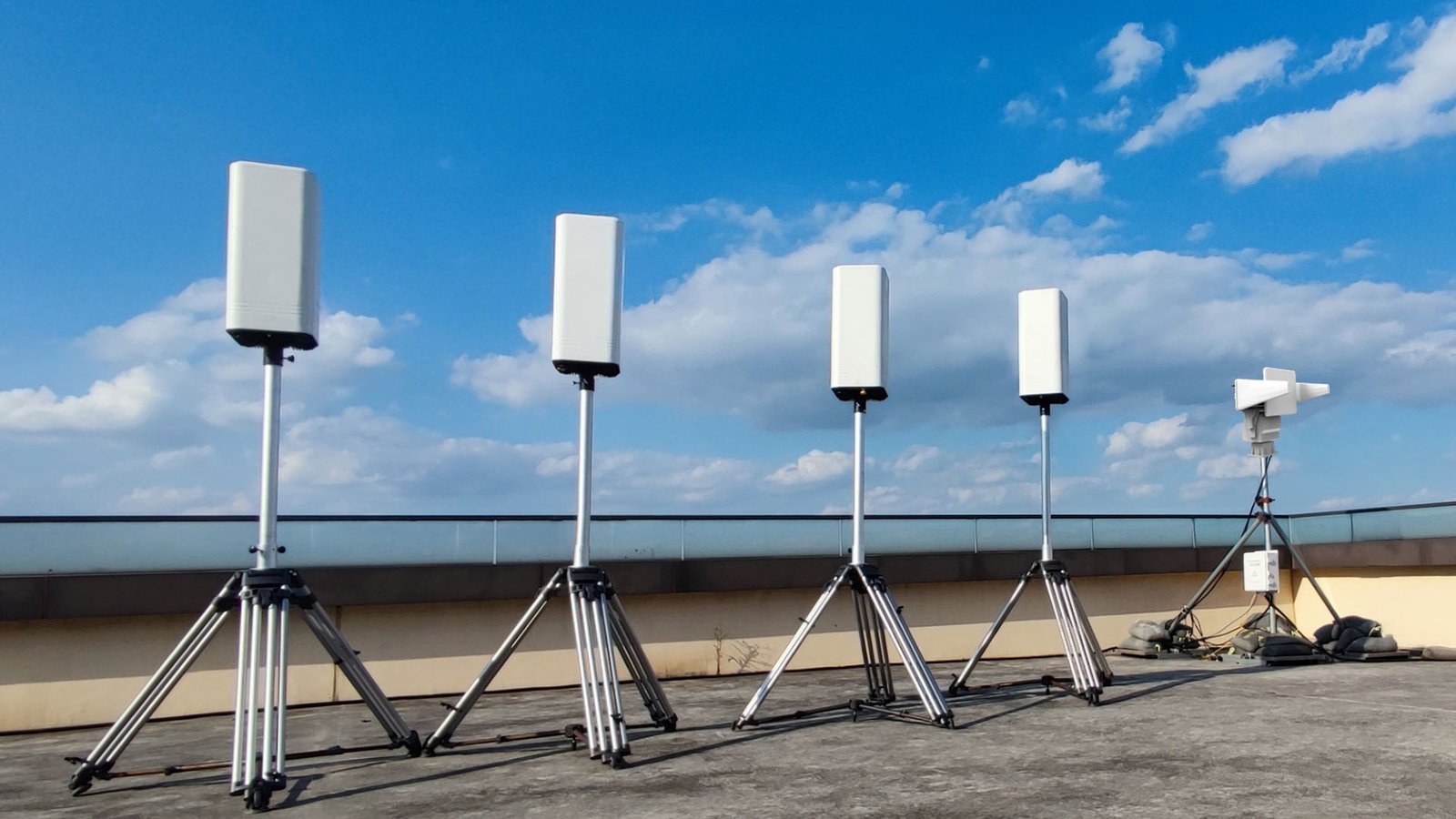
ATS Array Phased Array Tracking & Detection Antenna
Phased array antenna tracking system – AESA-based electronic beam steering for simultaneous multi-target detection and tracking. No mechanical inertia — millisecond beam switching, 360° full-domain coverage, and continuous gaze-mode refresh for high-speed UAV threats.
Electronic scanning, redefined for UAV tracking
Phased array antenna tracking system replaces mechanical servo motors with a fully electronic phased array. The result: millisecond beam switching, simultaneous multi-target tracking antenna – handling, and no moving parts to wear out.
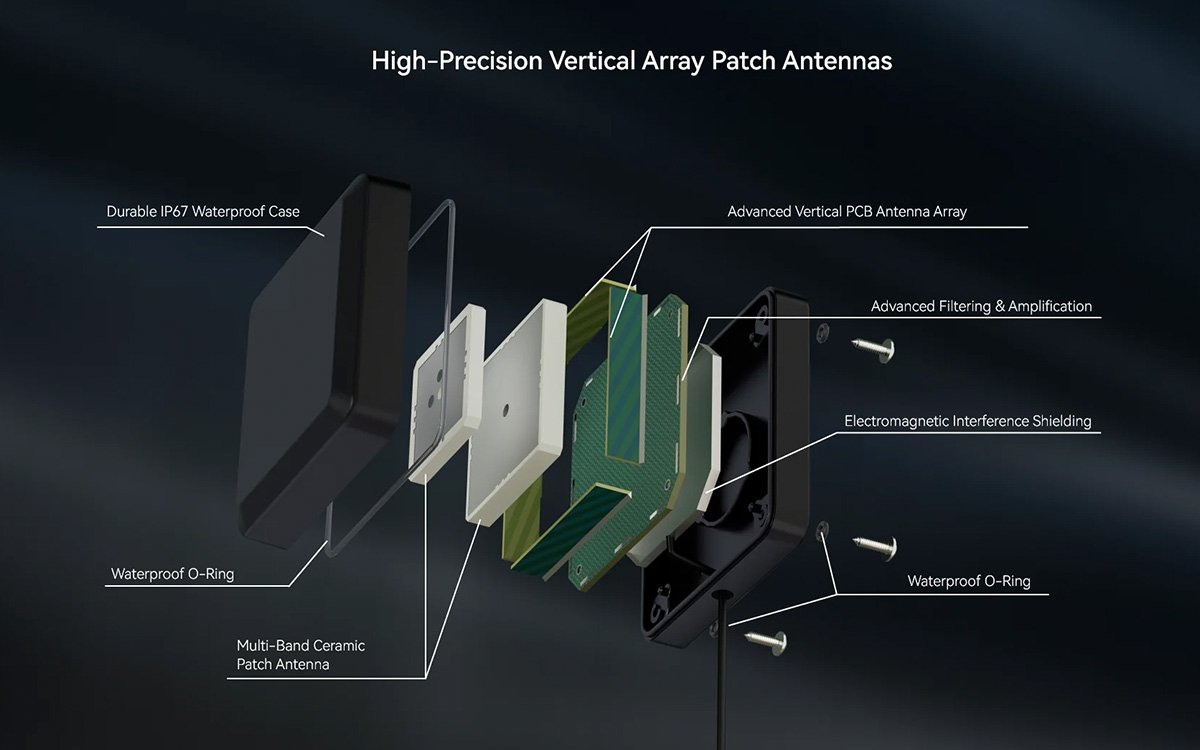
Beam steering without moving parts
Each antenna element has its own transmit/receive module controlled by a computer. By precisely adjusting the phase of each element, the array synthesizes a beam in any direction — with no physical movement required.
- Independent T/R module per element
- Phase-controlled beam synthesis
- Millisecond direction switching
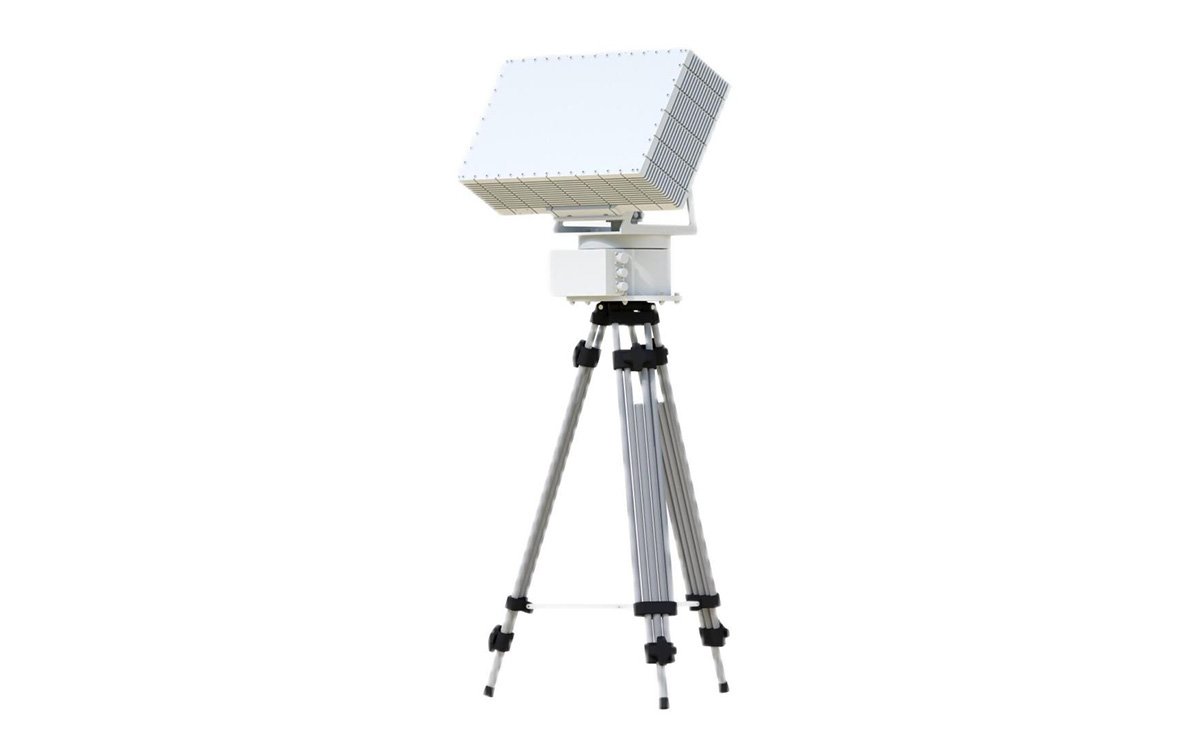
Planar Array Face
Hundreds of T/R elements form a flat, solid-state aperture with no mechanical moving parts.
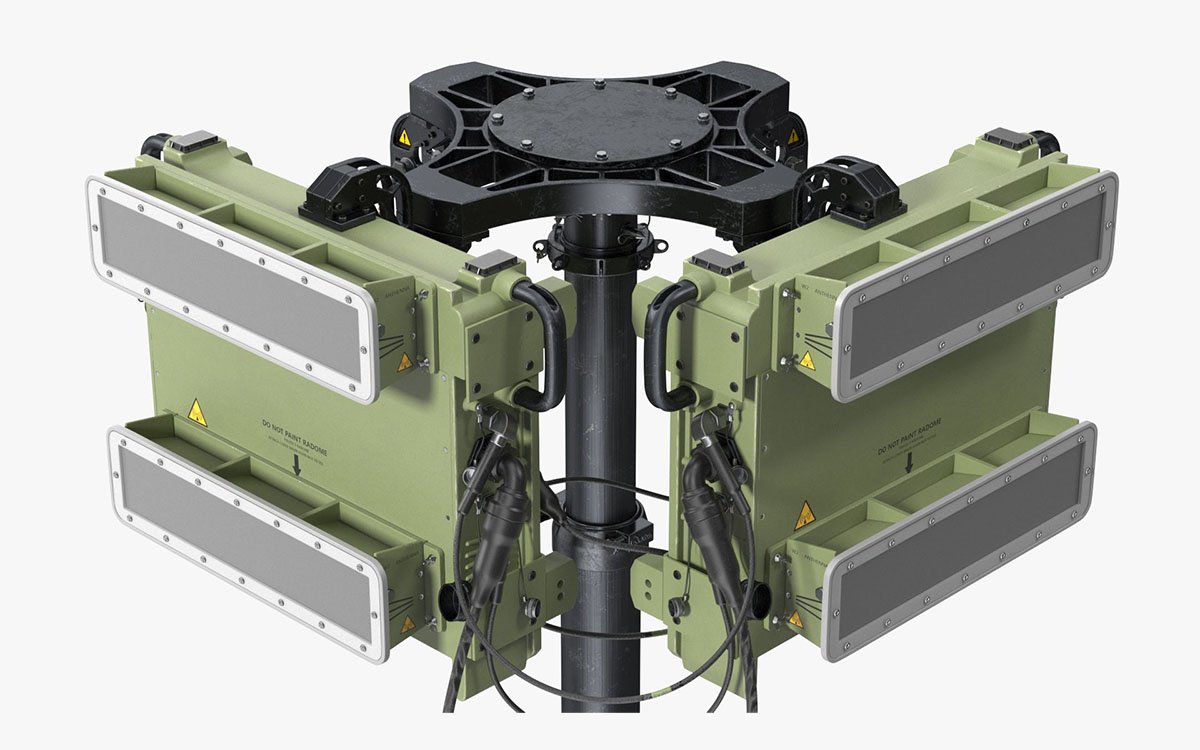
Multi-Face 360° Layout
Multiple array faces provide continuous azimuth coverage with no blind spots and no rotation delay.
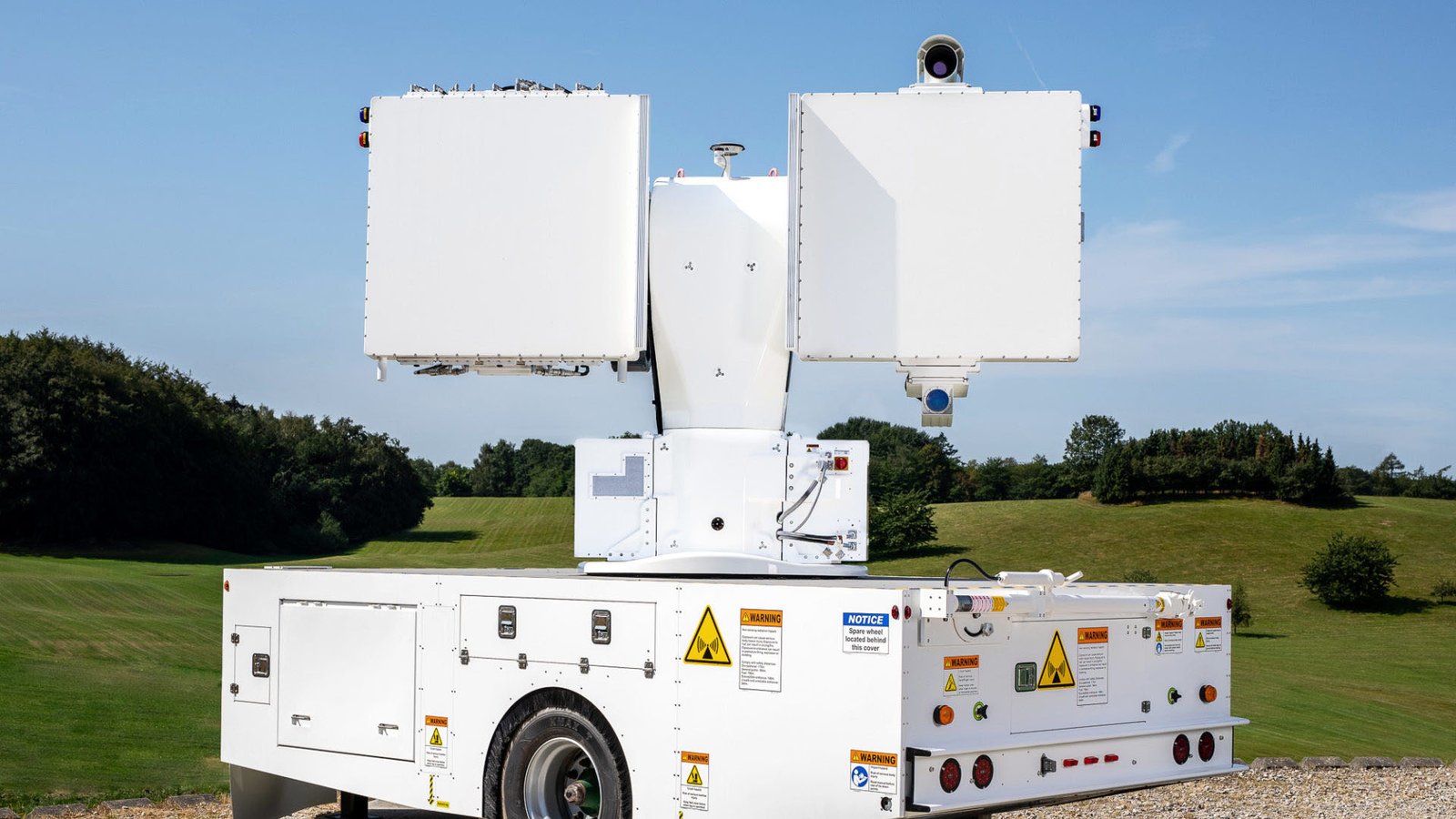
Vehicle & Vessel Mounting
Compact, low-profile array panels integrate onto mobile platforms without large mechanical pedestals.
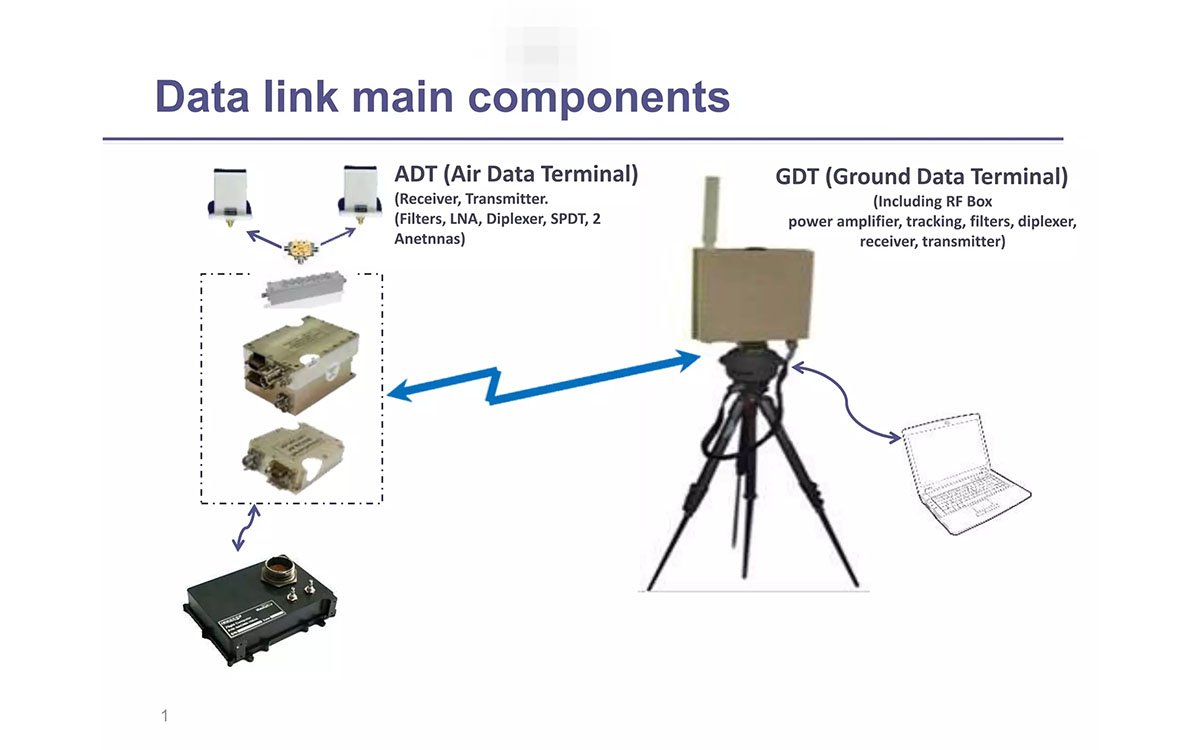
Millisecond Beam Steering
Electronic beam steering eliminates mechanical inertia. Direction changes that take a servo-driven antenna a full second now complete in under a millisecond — critical for tracking fast-moving drones.
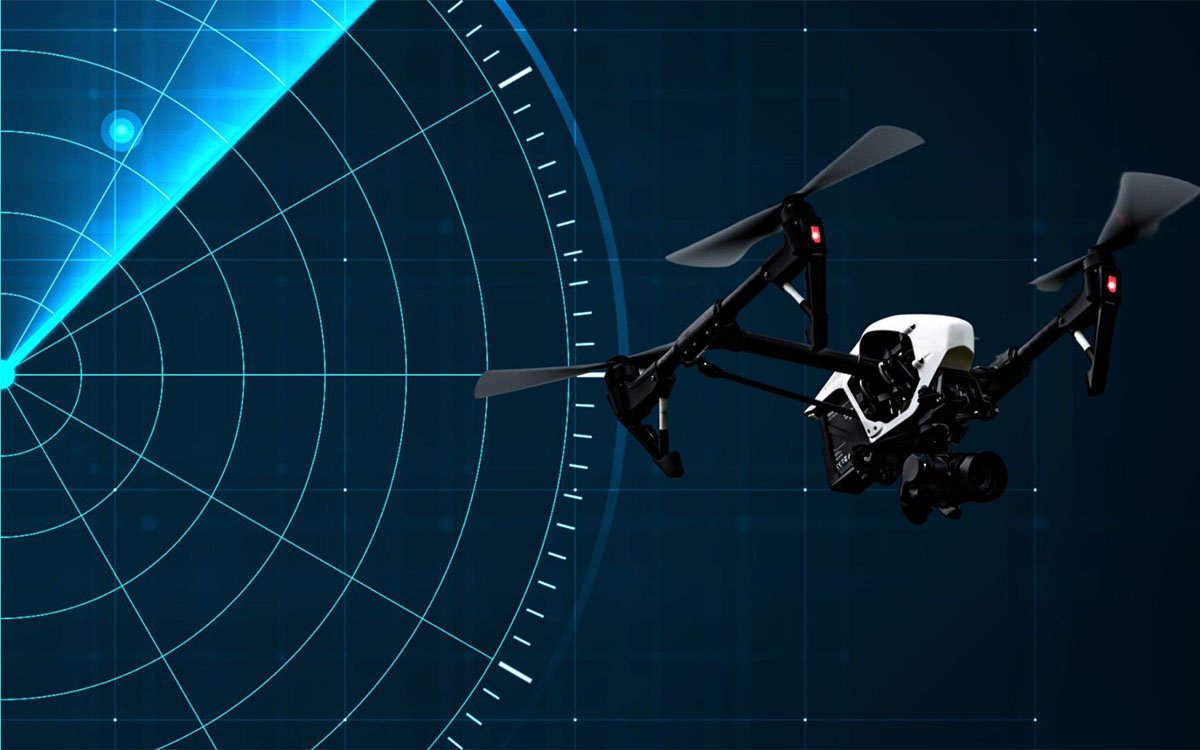
Simultaneous Multi-Target Tracking
AESA can radiate multiple independent beams at different frequencies simultaneously. Track multiple UAVs — or a drone swarm — without time-sharing or track interruption.
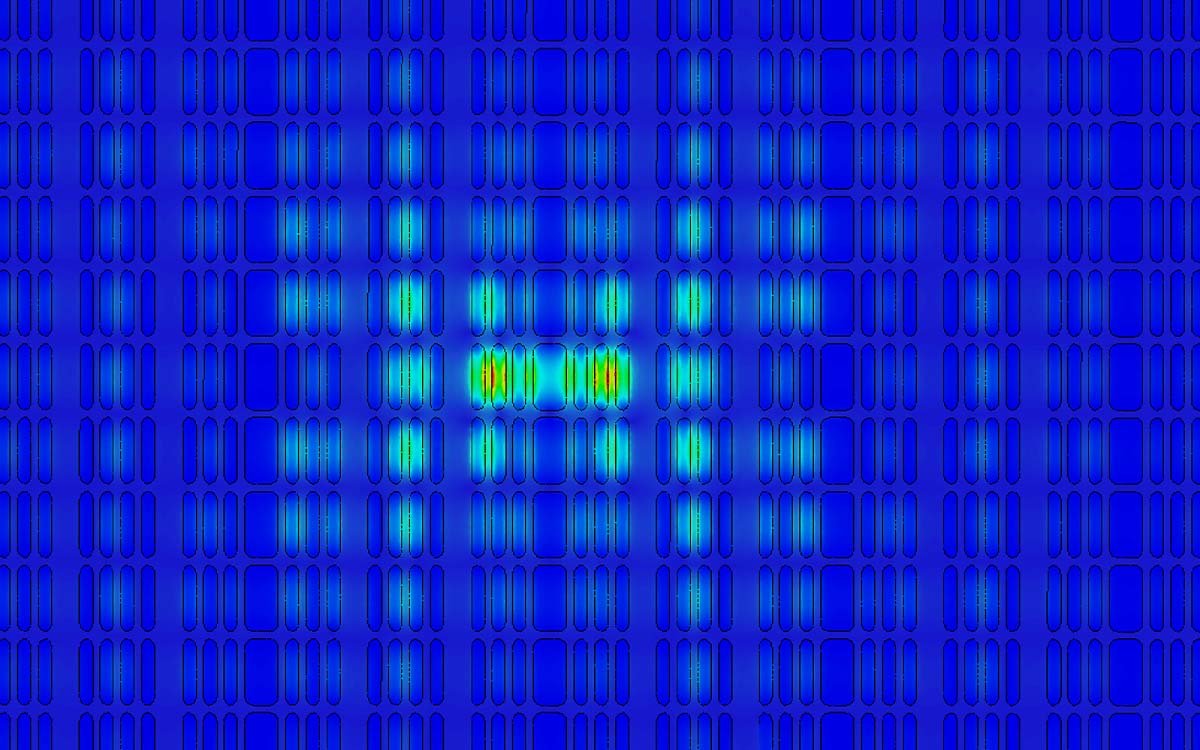
360° Full-Domain Coverage
Multiple array faces provide continuous 360-degree azimuth and wide-elevation coverage — no mechanical rotation, no blind spots, no waiting for the antenna to swing around.
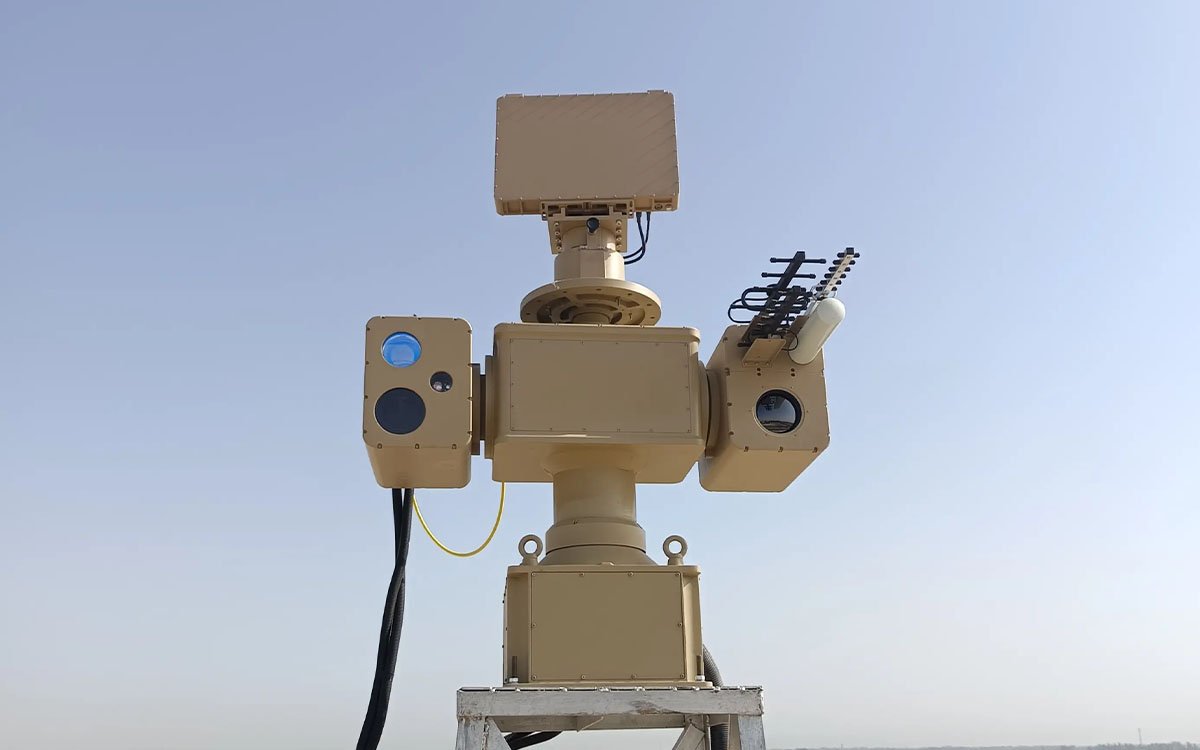
Gaze-Mode High Refresh
Simultaneous multi-beam formation enables a “staring” mode — the array dwells on high-priority targets at a 1 Hz data rate while continuing to scan for new threats.
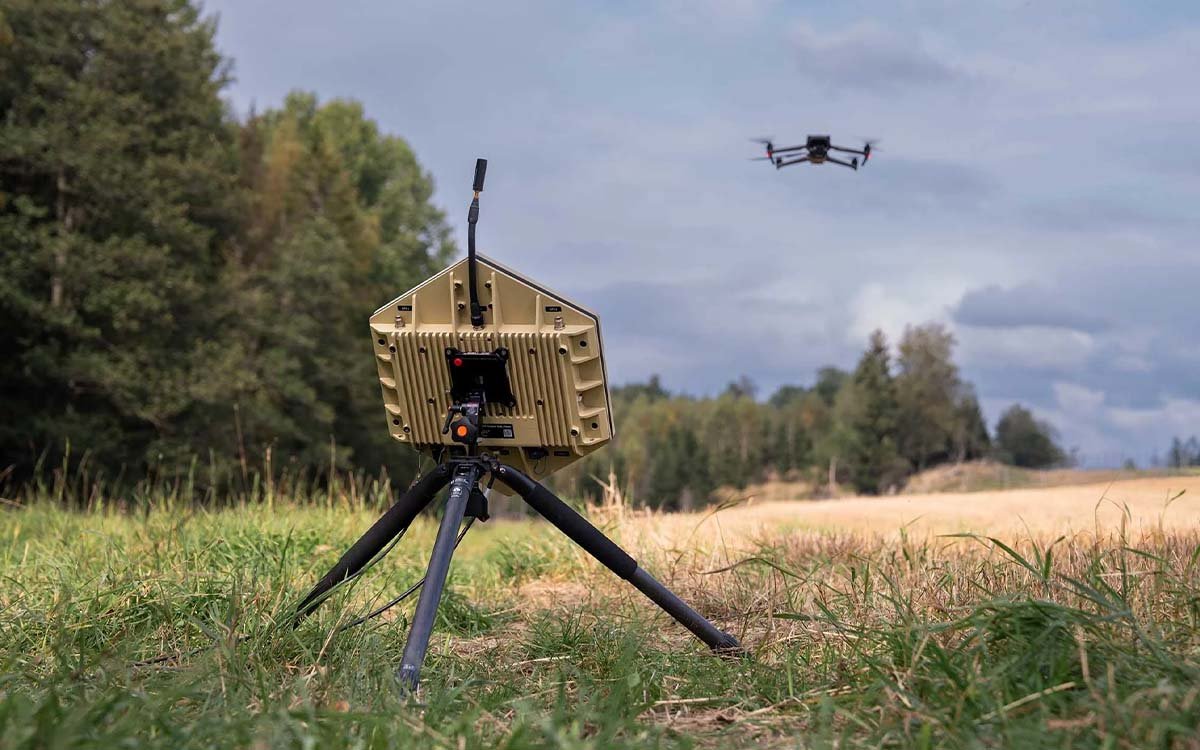
Small Target Detection
High transmit power in a narrow, focused beam delivers the sensitivity needed to detect low-RCS targets — including small consumer drones — at operationally useful ranges.
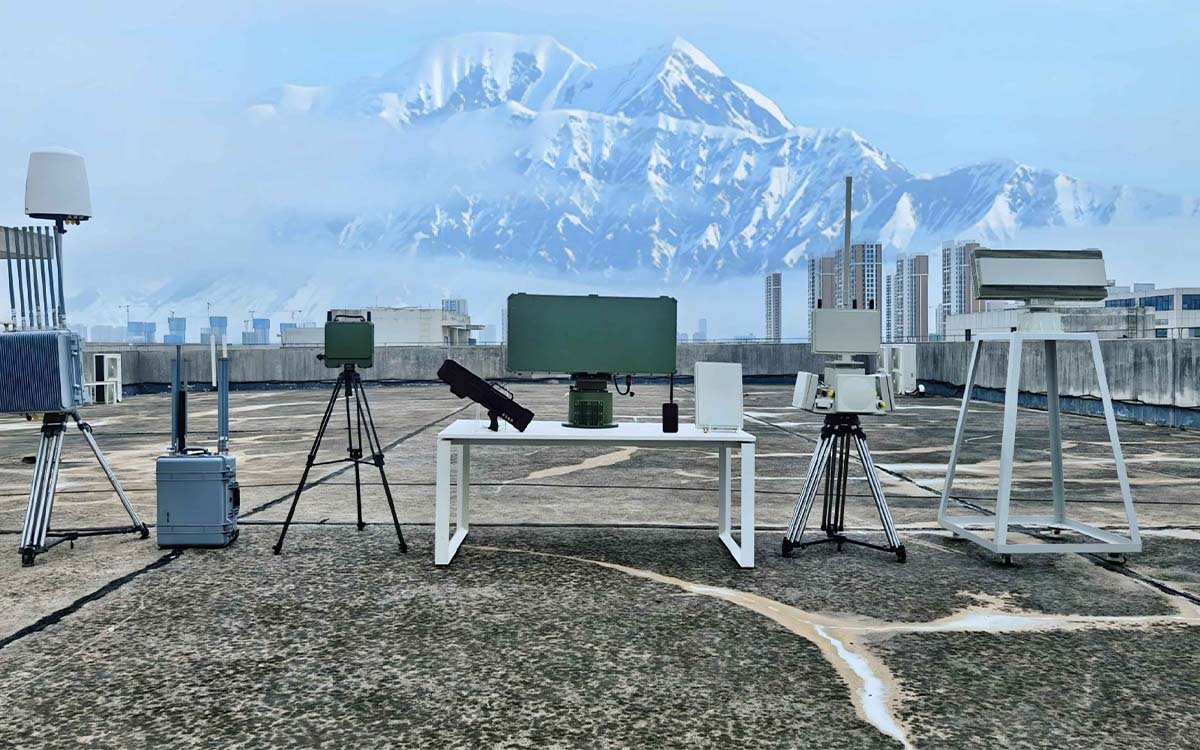
Solid-State Reliability
No servos, no gears, no mechanical wear. Even if individual transmit/receive modules fail, the phased array antenna tracking system continues working — graceful degradation instead of sudden downtime.
Phased Array Antenna Tracking System-UAS to low-altitude infrastructure
Phased array technology is moving from military radar into civilian low-altitude airspace management, drone detection, and satellite communications. The phased array antenna tracking system is positioned at the intersection of these emerging markets.
Low-Altitude Security & Counter-UAS
Detect and track unauthorized drones in complex urban environments where traditional radar struggles with ground clutter and small RCS targets.
Learn moreLow-Altitude Infrastructure
Provide the sensing layer for urban air mobility corridors, vertiports, and drone logistics routes — enabling safe separation and traffic management.
Learn moreSatellite Communication Links
Conformal phased array UAV tracking system panels enable satellite links on UAVs without drag-inducing parabolic dishes — extending BVLOS range through SATCOM.
Learn moreCritical Infrastructure Protection
Airport, power grid, and border security applications requiring persistent surveillance with minimal false alarms and rapid response.
Learn moreA 26%+ CAGR market riding the low-altitude economy wave
The convergence of counter-drone demand, low-altitude airspace management, and satellite communication on UAV platforms is creating a rapidly expanding market for phased array sensing and tracking systems.
-
From Fixed to Portable
Phased array antenna tracking systems are shrinking from truck-mounted radar vans to single-person portable units. Chip-level integration enables “stop, deploy, operate” in minutes.
-
Dual-Use: Detection + Communication
The same AESA aperture can simultaneously detect intruding drones and maintain a data link with friendly UAVs — a fundamental architecture advantage over mechanical antennas.
-
Conformal & Platform-Integrated
Phased array panels are becoming thin enough to conform to airframe surfaces, eliminating drag and enabling satellite links on small UAVs that could never carry a parabolic dish.
-
AI-Enhanced Multi-Sensor Fusion
Phased array radar is being combined with RF spectrum monitoring, EO/IR cameras, and AI-driven track fusion to reduce false alarms and identify drone types in real time.
Answers to the most common questions
Technology, deployment, target handling, and integration — the essentials for evaluating the phased array UAV tracking system in your operation.
Mechanical antennas physically rotate a dish or gimbal to point at the target — limited by inertia, motor speed, and wear. A phased array UAV tracking system uses electronic beam steering: each antenna element adjusts its phase independently, so the beam can jump from one direction to another in under a millisecond with no moving parts.
- Beam switching: <1 ms vs. ~1 s for mechanical
- No servo motors, gears, or mechanical wear
- Can track multiple targets simultaneously
Yes. AESA architecture allows the array to radiate multiple independent beams at different frequencies simultaneously. This means the system can detect and track multiple UAVs — or a drone swarm — without time-sharing or interrupting any track.
- Multiple concurrent tracking beams
- No track interruption between targets
- Suitable for drone swarm scenarios
Detection range depends on target RCS, transmit power, and environment. The phased array antenna tracking system is designed to detect low-RCS targets down to 0.01 m² — the typical signature of a small consumer drone — at operationally useful ranges in complex low-altitude environments.
- Designed for 0.01 m² RCS small target detection
- High transmit power in a narrow focused beam
- Actual range depends on deployment and environment
Because beam steering is electronic rather than mechanical, the array can reposition its beam in under a millisecond — far faster than any servo-driven antenna. This enables reliable tracking of high-speed drones and maintains track through crossing or evasive maneuvers.
- Sub-millisecond beam repositioning
- Continuous track through crossing targets
- Gaze mode for high-priority target dwell
Still have a question about the ATS Array?
Our engineering team responds within one business day.
Request a System Consultation
Every detection and tracking mission is different. Tell us your application scenario, target profile, and coverage requirements — our engineering team will configure the right ATS Array phased array solution for your operation, from a single panel to a full 360° multi-face installation.
- Sub-Millisecond Electronic Beam Steering
- Simultaneous Multi-Target Tracking
- 360° Full-Domain Coverage (Multi-Face)
- Low-RCS Small Target Detection (0.01 m²)
- Solid-State · Zero Moving Parts
System Configuration Request
Fill in your mission details below. Our engineering team responds within 24 hours.