
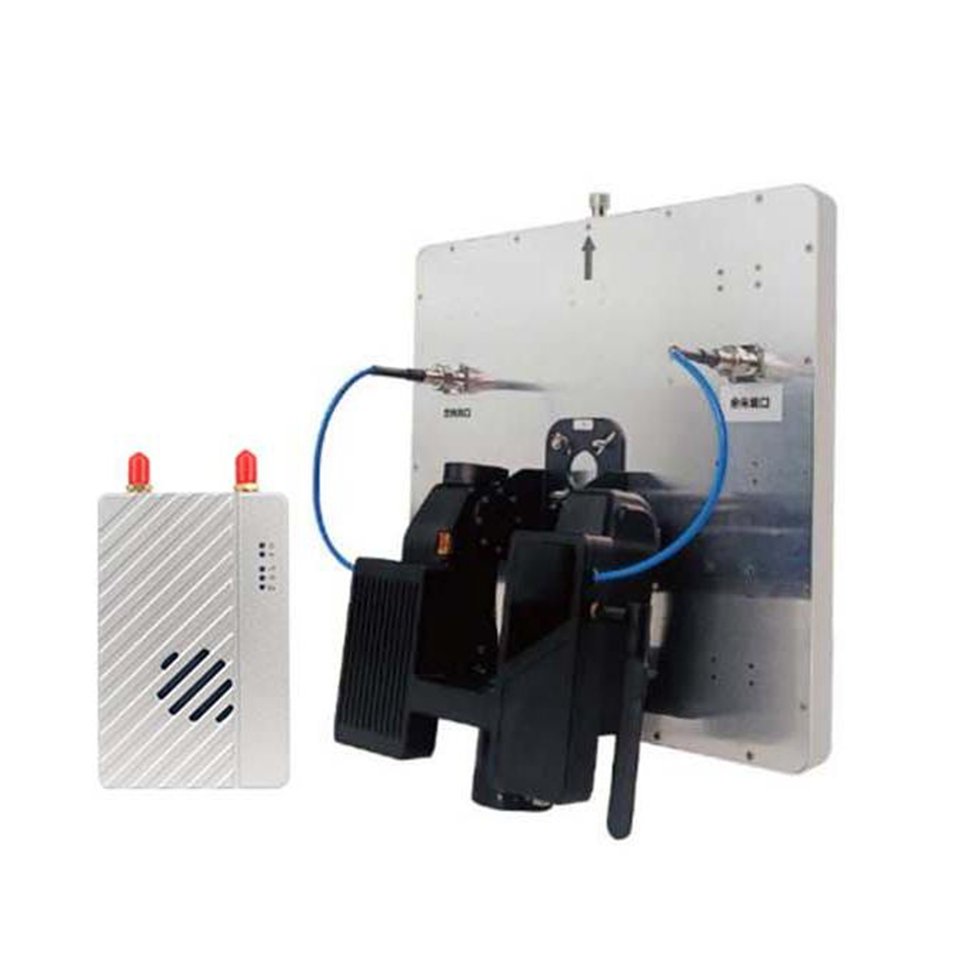
Description
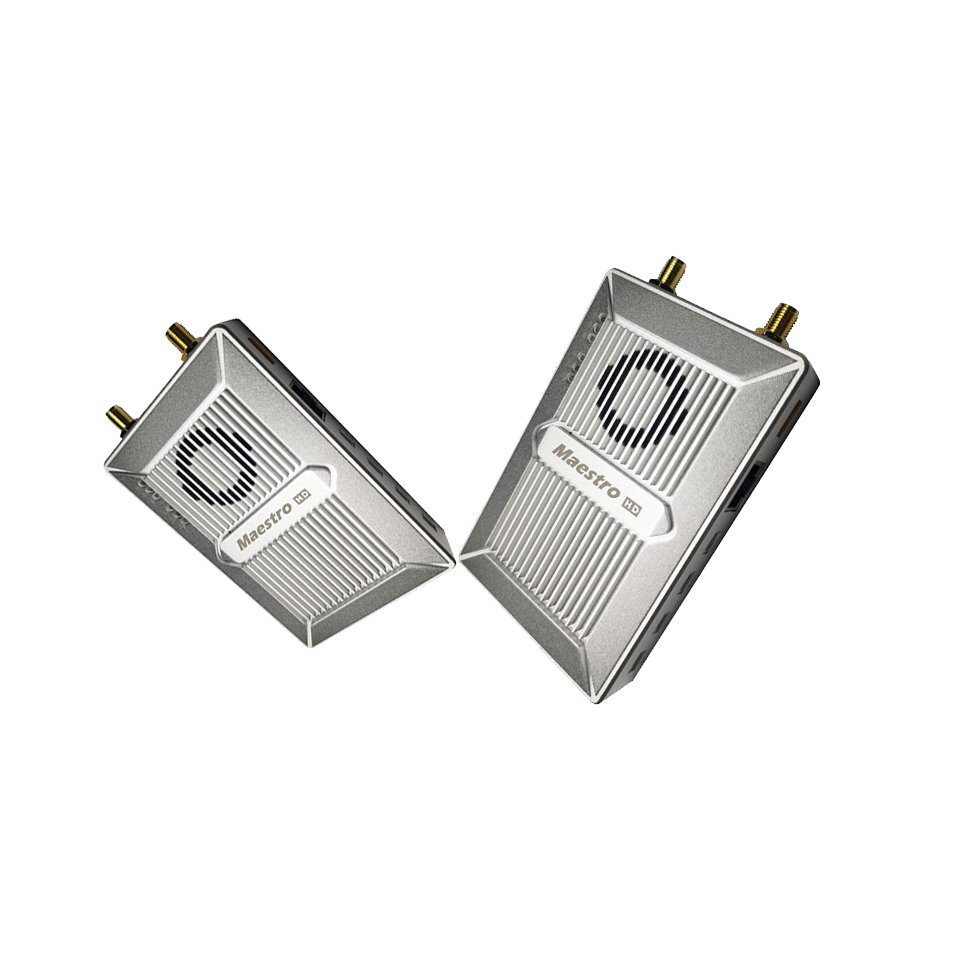
SoarApex MK80 80Km Wireless Data Link System Product Overview:
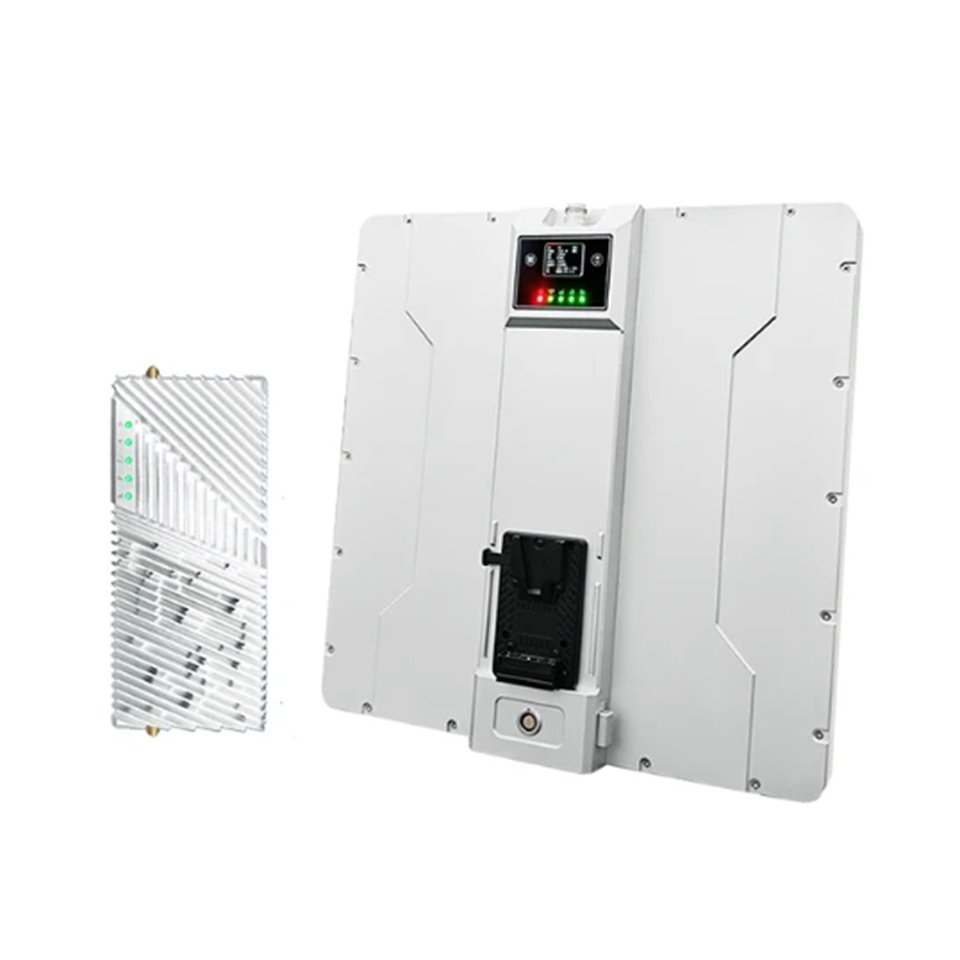
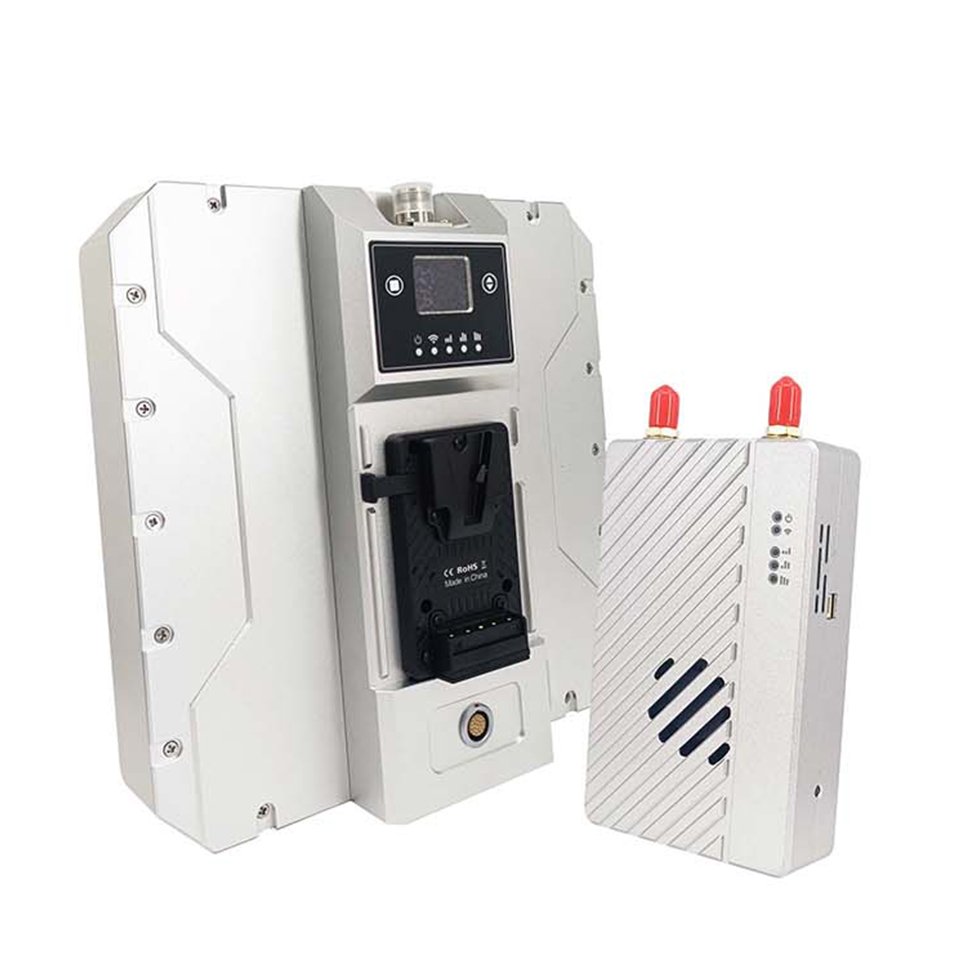
The SoarApex MK80 80Km Wireless Data Link System is an ultra-long-range wireless data link system engineered for professional unmanned aerial vehicle industrial applications. Characterized by high integration density, stable performance, and exceptional reliability, this system simultaneously transmits video streams, telemetry data, and control information across distances up to 80 kilometers. The MK80 80Km Wireless Data Link System adopts a dual-link architecture with primary and backup redundancy, enabling users to configure main and secondary links through dedicated control commands. Advanced features include one-click radio silence and intermittent communication modes for specialized operational requirements.
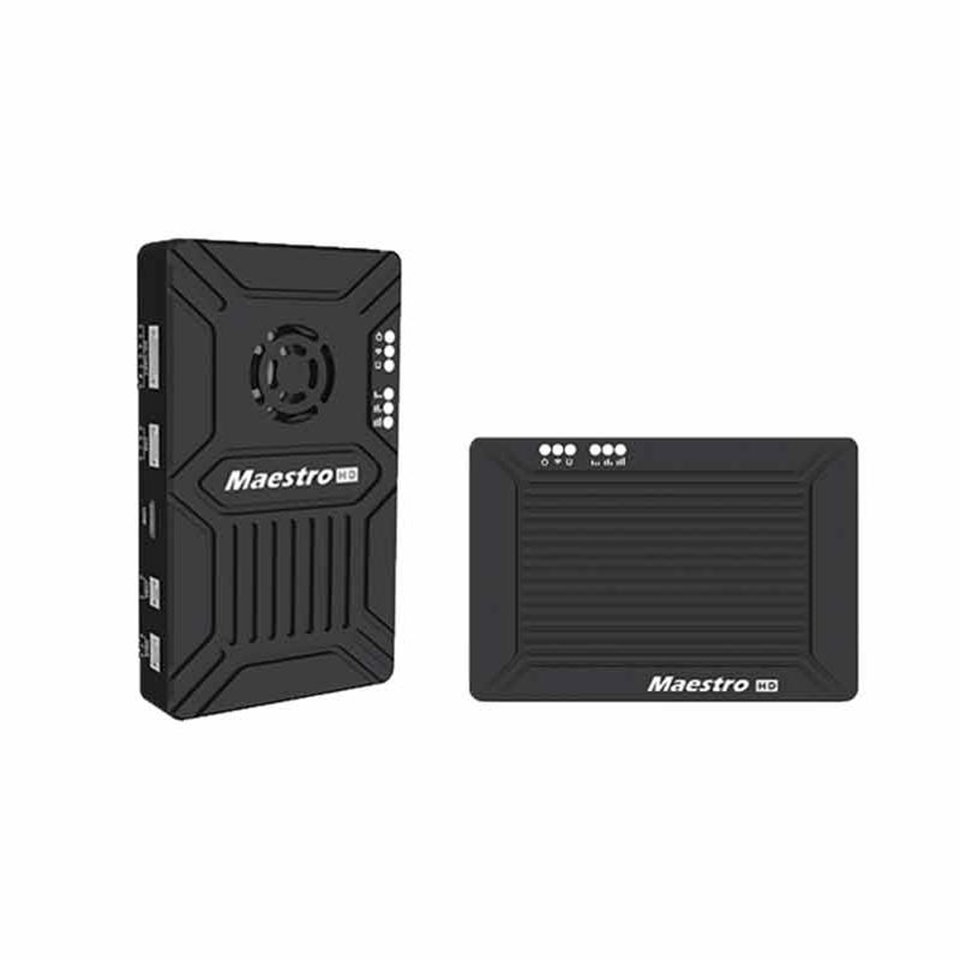
The MK80 80Km Wireless Data Link System inherits the proven design philosophy of the M-series high-definition video transmission systems, maintaining full backward compatibility with existing product interfaces including MK17 and MK34. With maximum transmission distances reaching 80 kilometers, the MK80 80Km Wireless Data Link System establishes industry-leading performance benchmarks for beyond-visual-line-of-sight operations. Advanced radio frequency technology combined with exceptional cost-performance characteristics reduces the application barriers for ultra-long-range unmanned aerial vehicles, accelerating industry development for extended-range inspection, surveying, and patrol operations.
Advanced RF Technology with Dual-Link Redundancy
The 80-kilometer wireless video data link system employs advanced radio frequency technology with strong anti-interference capability and automatic encryption functionality, ensuring secure long-distance video and data transmission for unmanned aerial vehicles. The system meets civilian transmission requirements with operational ranges reaching 49 kilometers under current regulatory frameworks, fully satisfying the demands of ultra-long-distance industrial applications including drone inspection, geodetic measurement, and perimeter patrol in critical infrastructure sectors.
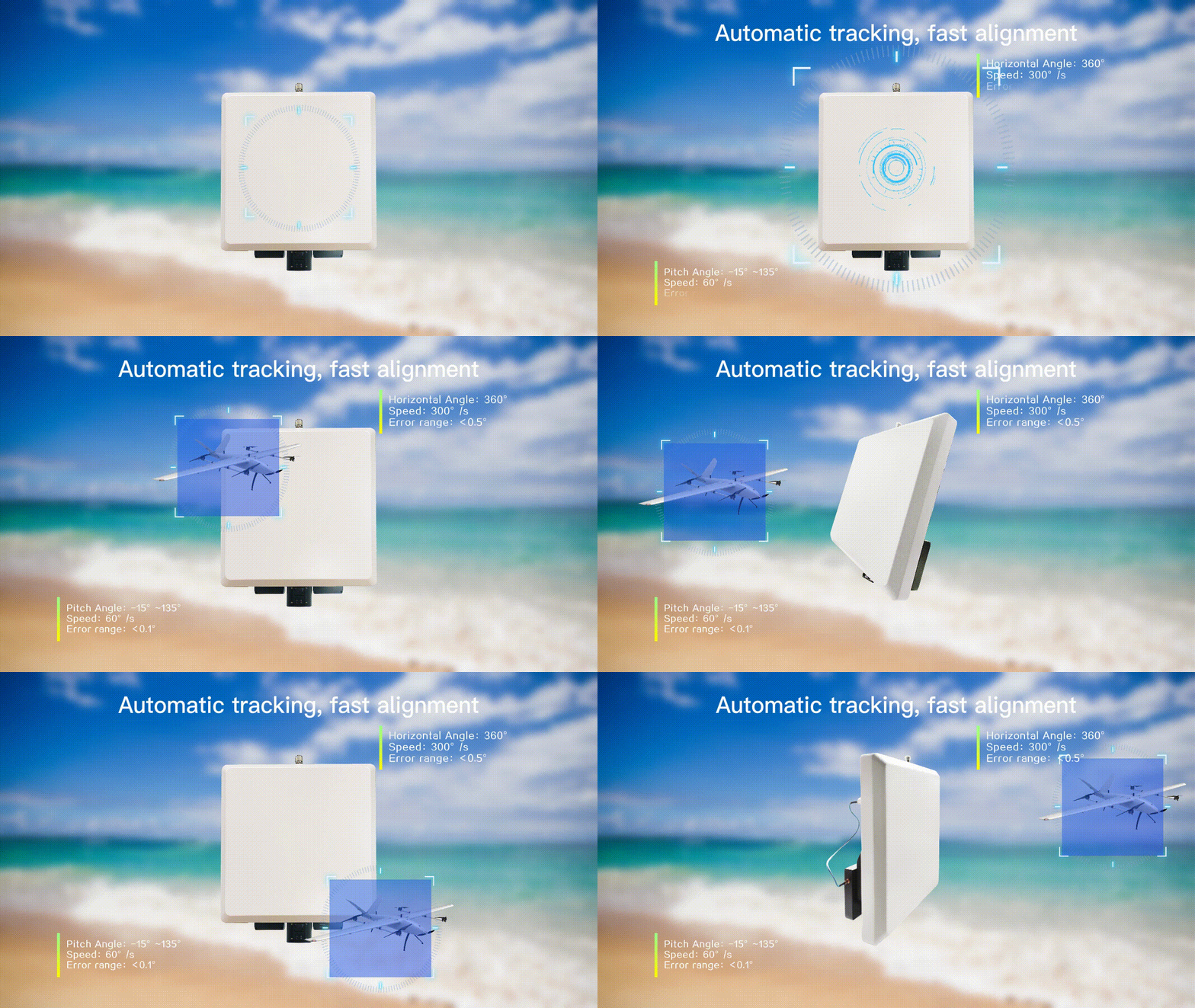
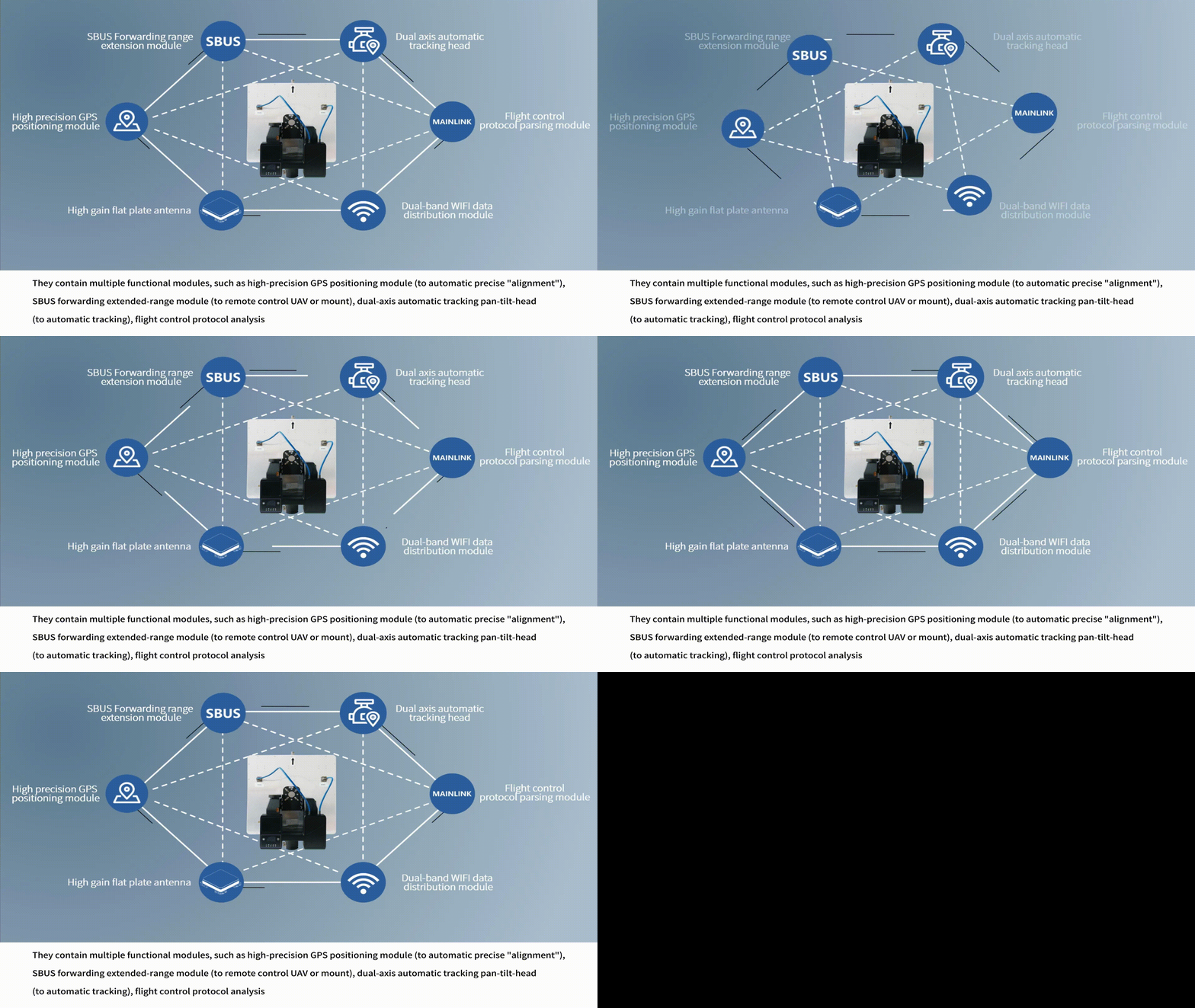
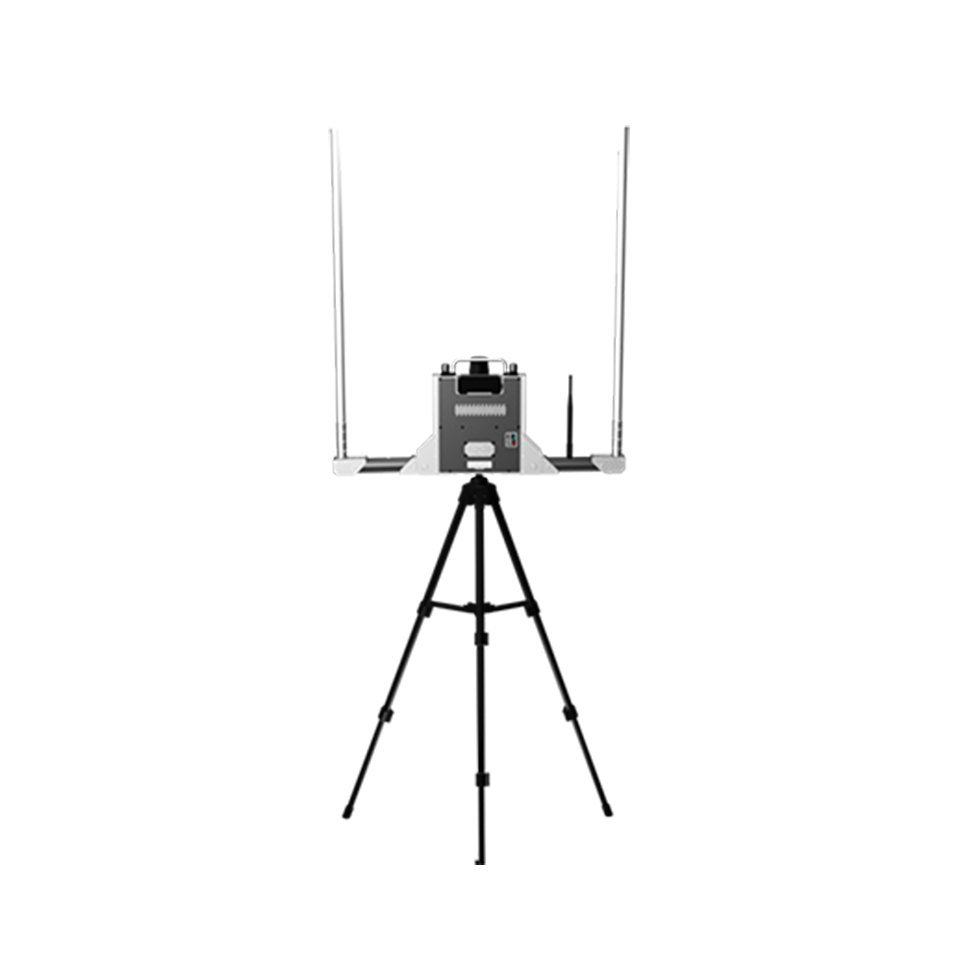
The MK80 80Km Wireless Data Link System integrates a fully automatic tracking gimbal system that continuously tracks drone position and orientation in real time. By parsing MAVLink protocol data returned from the flight control system, the tracking controller extracts critical position information including longitude, latitude, and altitude to drive dual-axis gimbal actuators. This closed-loop tracking system achieves precise alignment and rapid acquisition, maintaining optimal antenna pointing throughout dynamic flight profiles. When paired with high-gain directional ground antennas, the system maximizes wireless signal reception capability, ensuring stable and reliable transmission performance across the full operational envelope.
Real-Time Flight Data Display
The MK80 80Km Wireless Data Link System ground terminal incorporates an integrated OLED display that presents real-time unmanned aerial vehicle flight data including transmission rate, received signal strength indication, flight distance, and additional operational parameters. The tracking gimbal LCD screen provides operators with current GPS coordinates, antenna azimuth orientation, and signal quality metrics, enabling informed decision-making regarding flight path optimization and communication link management.
This real-time telemetry visualization is essential for UAV Control Station operators managing Fixed-wing Platforms and Multi-rotor Drones during extended beyond-visual-line-of-sight missions where direct visual observation of the aircraft is impossible.
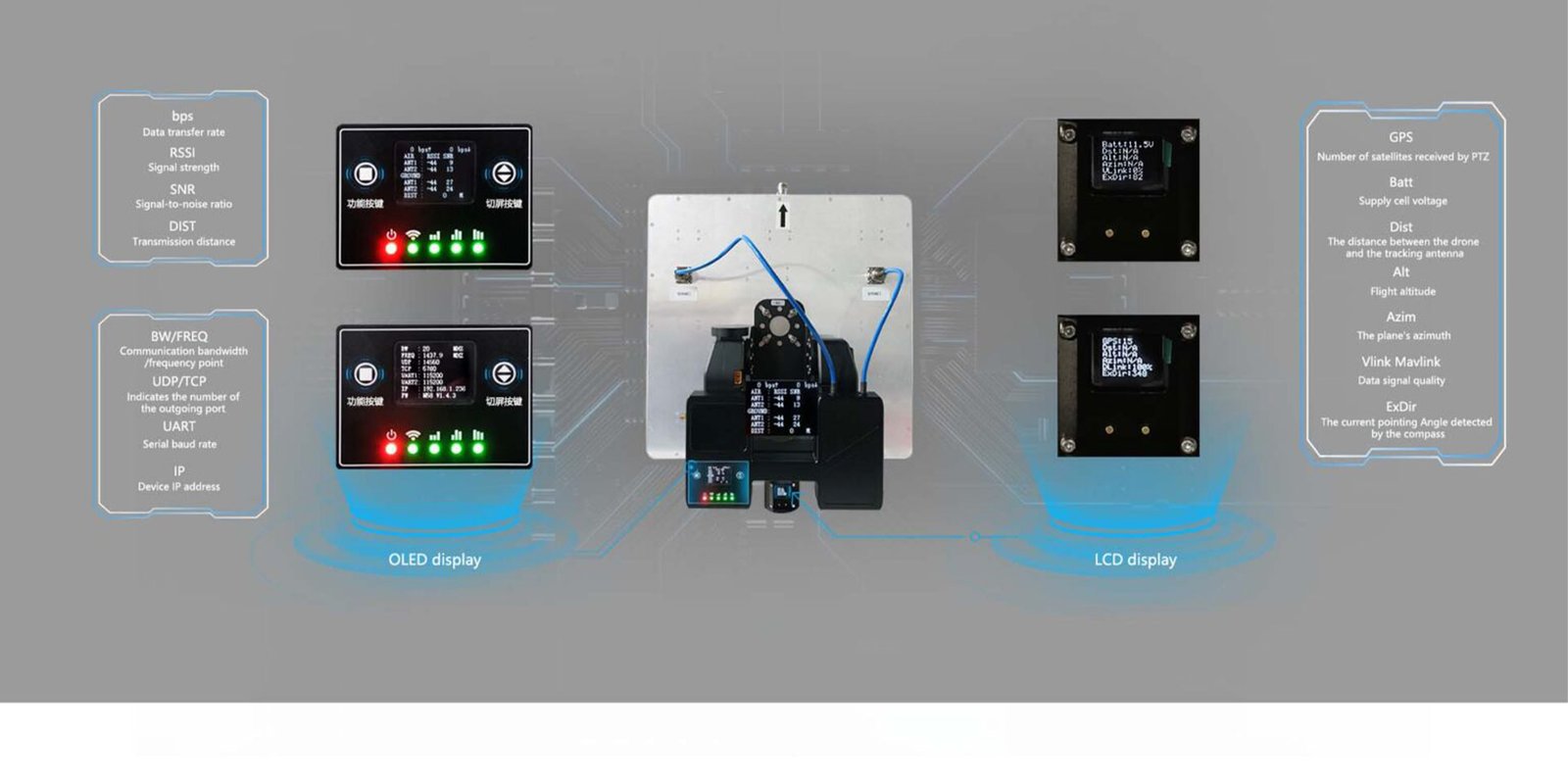
Dual Backup Link Design with Frequency Diversity
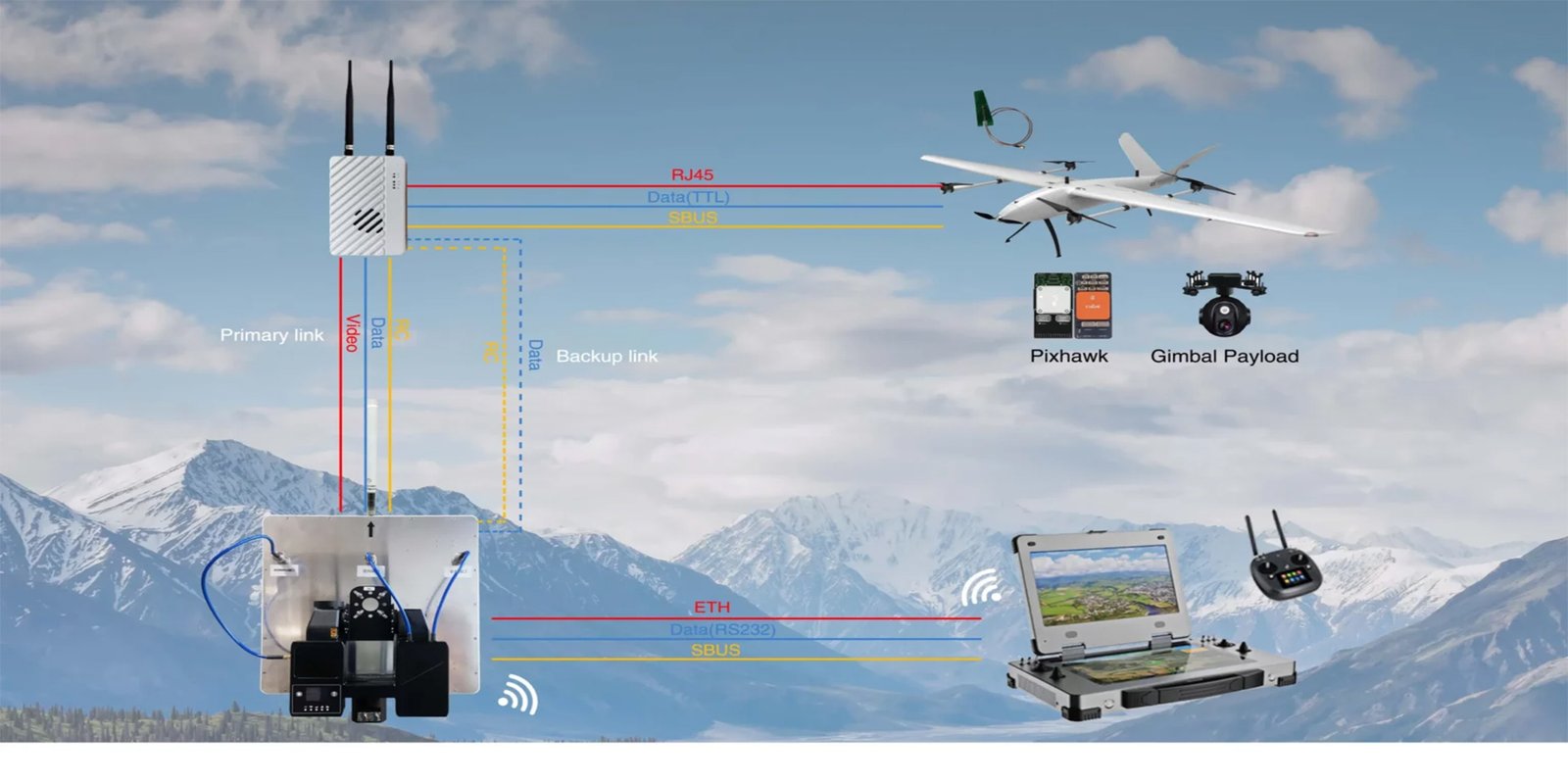
The MK80 80Km Wireless Data Link System long-range wireless video data link system implements a dual backup link architecture for mission-critical communication resilience. The primary link operates in the 1.4 GHz communication frequency band with optional 800 MHz and 2.4 GHz configurations available upon request for customized design and production. The backup link utilizes a low-frequency microwave frequency band, providing spectral diversity that ensures communication continuity if the primary link encounters interference or propagation degradation.
Users can select between fixed frequency and frequency hopping operational modes, receiving link control commands through network protocols. The system control protocol can be integrated into third-party ground station software platforms, enabling wireless silence activation, backup link failover, continuous link communication, and timed communication scheduling through intuitive software interfaces. These capabilities address specialized industry application scenarios involving complex wireless interference environments and electronic countermeasure conditions.
The dual-link architecture is particularly valuable for FPV & Specialized Platforms operating in contested electromagnetic environments where communication denial represents a critical mission risk.
Automatic Tracking Gimbal Integration
The MK80 80Km Wireless Data Link System includes an integrated automatic tracking gimbal that maintains precise antenna pointing toward the airborne terminal throughout the mission. This mechanical tracking system analyzes MAVLink telemetry data to extract aircraft position, then computes optimal gimbal orientation angles to maximize antenna gain in the aircraft direction. The dual-axis gimbal provides both azimuth and elevation articulation, ensuring accurate tracking during climbing, descending, and turning maneuvers.
When combined with BVLOS Antenna Tracking System hardware, the MK80 80Km Wireless Data Link System achieves maximum transmission stability through continuous beam steering. This integration is essential for maintaining reliable connectivity during long-endurance missions where aircraft position changes significantly relative to the ground station.

The Role of UAV Wireless Video Data Link Systems
The unmanned aerial vehicle data link serves as the critical communication backbone in drone systems, responsible for achieving bidirectional data transmission between ground stations and airborne platforms. It plays a central role in command, monitoring, and mission execution, ensuring efficient operation and successful completion of unmanned aerial vehicle assignments.
Primary Functions of the Drone Data Link
- Control Instruction Transmission: The uplink channel transmits control instructions from the ground station to the unmanned aerial vehicle, including flight path planning, mission tasking, and emergency operation commands. This command pathway enables real-time pilot intervention and autonomous mission management.
- Telemetry Data Feedback: The downlink channel transmits real-time telemetry data including flight status, position, velocity, and system health parameters back to the ground station for continuous monitoring and operational adjustment. This situational awareness stream is essential for safe flight operations.
- Sensor Data Transmission: The data link supports transmission of imagery, video, and point cloud data collected by cameras, LiDAR, and other payload sensors to ground stations for real-time analysis and informed decision-making. High-bandwidth sensor data transmission is critical for time-sensitive applications such as search and rescue and emergency response.
- Task Dynamic Update: Bidirectional link communication enables the ground station to dynamically adjust mission parameters or flight paths based on evolving task requirements or changing operational conditions. This flexibility maximizes mission effectiveness without requiring aircraft recovery and redeployment.
- Anti-Interference and Security Assurance: Frequency hopping communication, encryption algorithms, and two-way authentication mechanisms ensure data link anti-interference capability and communication security, particularly in complex electromagnetic environments or defense-related scenarios. The MK80 automatic encryption function addresses these requirements without operator intervention.
- Multi-Drone Collaborative Communication: Through networking technologies such as mesh network architectures, data sharing and task collaboration among multiple unmanned aerial vehicles can be achieved, supporting formation flying and swarm operations. This capability is increasingly important for UAV Industrial Solution deployments requiring coordinated multi-asset operations.
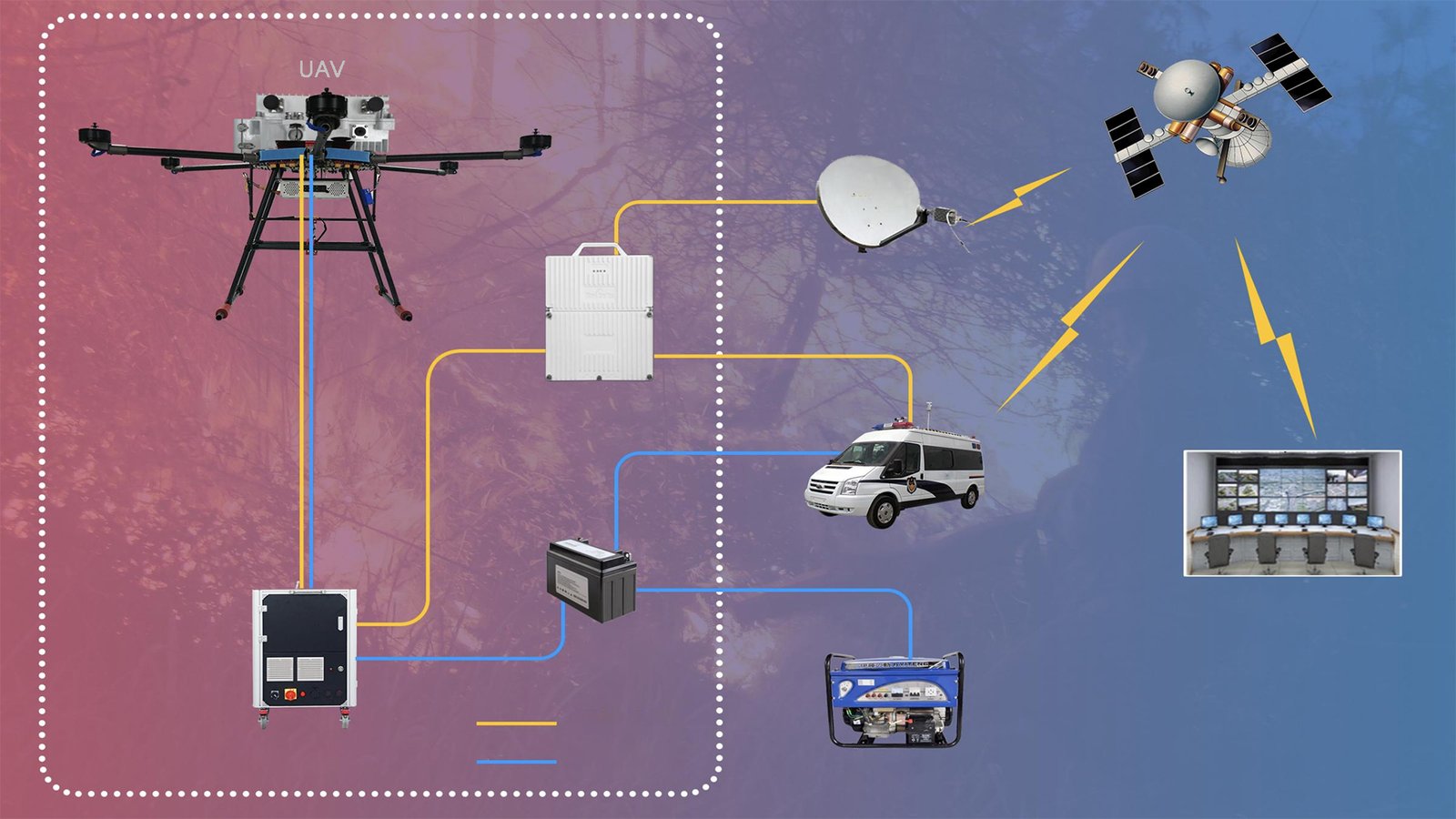
- Beyond Line of Sight Communication Support: Satellite links or relay station configurations expand communication range to achieve beyond-line-of-sight control, suitable for long-distance missions such as logistics distribution and disaster relief operations. The MK80 80-kilometer range significantly extends the operational envelope for these applications.
Future Development Trajectory
The reliability and performance of unmanned aerial vehicle 80Km Wireless Data Link System directly affect mission execution efficiency and flight safety. As communication technology continues to evolve, future data link systems will incorporate 5G and 6G cellular technologies, artificial intelligence-driven link optimization, and quantum communication protocols to achieve higher bandwidth, lower latency, and stronger anti-interference capabilities. The MK80 80Km Wireless Data Link System architecture is designed with upgrade pathways to accommodate these emerging technologies, protecting customer investment while ensuring continued operational relevance.
Technical Specifications Summary
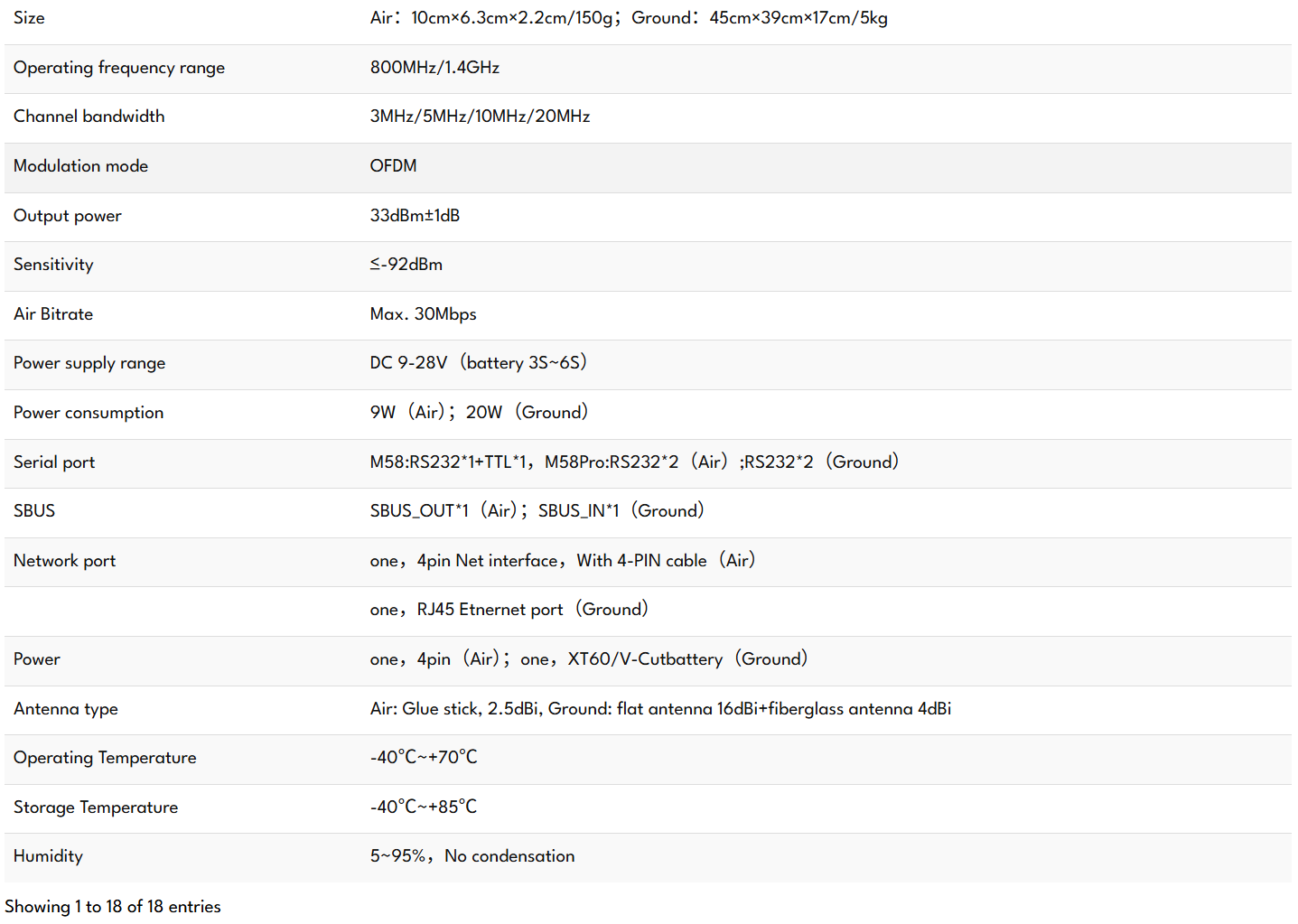
- – Transmission Range: 80 kilometers maximum (49 kilometers civilian configuration)
- – Link Architecture: Dual primary/backup redundancy
- – Primary Link Frequency: 1.4 GHz (800 MHz and 2.4 GHz options available)
- – Backup Link Frequency: Low-frequency microwave band
- – Operational Modes: Fixed frequency and frequency hopping
- – Encryption: Automatic with user-configurable keys
- – Tracking System: Fully automatic dual-axis gimbal with MAVLink integration
- – Display: OLED real-time flight data; LCD tracking gimbal status
- – Compatibility: MK17, MK34, and M-series interfaces
- – Control Integration: Network protocol command interface
- – Special Functions: One-click radio silence, intermittent communication
Applications of SoarApex MK80 80Km Wireless Data Link System
The MK80 80Km Wireless Data Link System is deployed across multiple unmanned system disciplines requiring reliable ultra-long-range communication:
- – Power Line Inspection: Extended-range HD video for transmission corridor assessment
- – Pipeline Monitoring: Continuous telemetry and video for oil, gas, and water infrastructure
- – Aerial Surveying and Mapping: High-bandwidth data link for photogrammetry and LiDAR payloads
- – Border Patrol and Security: Long-endurance surveillance with encrypted video transmission
- – Search and Rescue: Wide-area search coverage with real-time video feedback
- – Disaster Assessment: Rapid deployment communication for emergency response coordination
- – Scientific Research: Atmospheric sampling and environmental monitoring across extended transects
- – Military and Defense: Secure dual-link communication for tactical unmanned systems
For technical documentation, integration support, custom frequency configurations, or volume pricing inquiries, please contact our engineering team.
Explanation of Industry Terminology
| MAVLink protocol | https://en.wikipedia.org/wiki/MAVLink |
| Mesh network architectures | https://en.wikipedia.org/wiki/Mesh_networking |
| Received signal strength indication | https://en.wikipedia.org/wiki/Received_signal_strength_indication |
| Frequency hopping communication | https://en.wikipedia.org/wiki/Frequency-hopping_spread_spectrum |
| Beyond-visual-line-of-sight | https://en.wikipedia.org/wiki/Beyond_visual_line_of_sight |
Reviews
There are no reviews yet.