
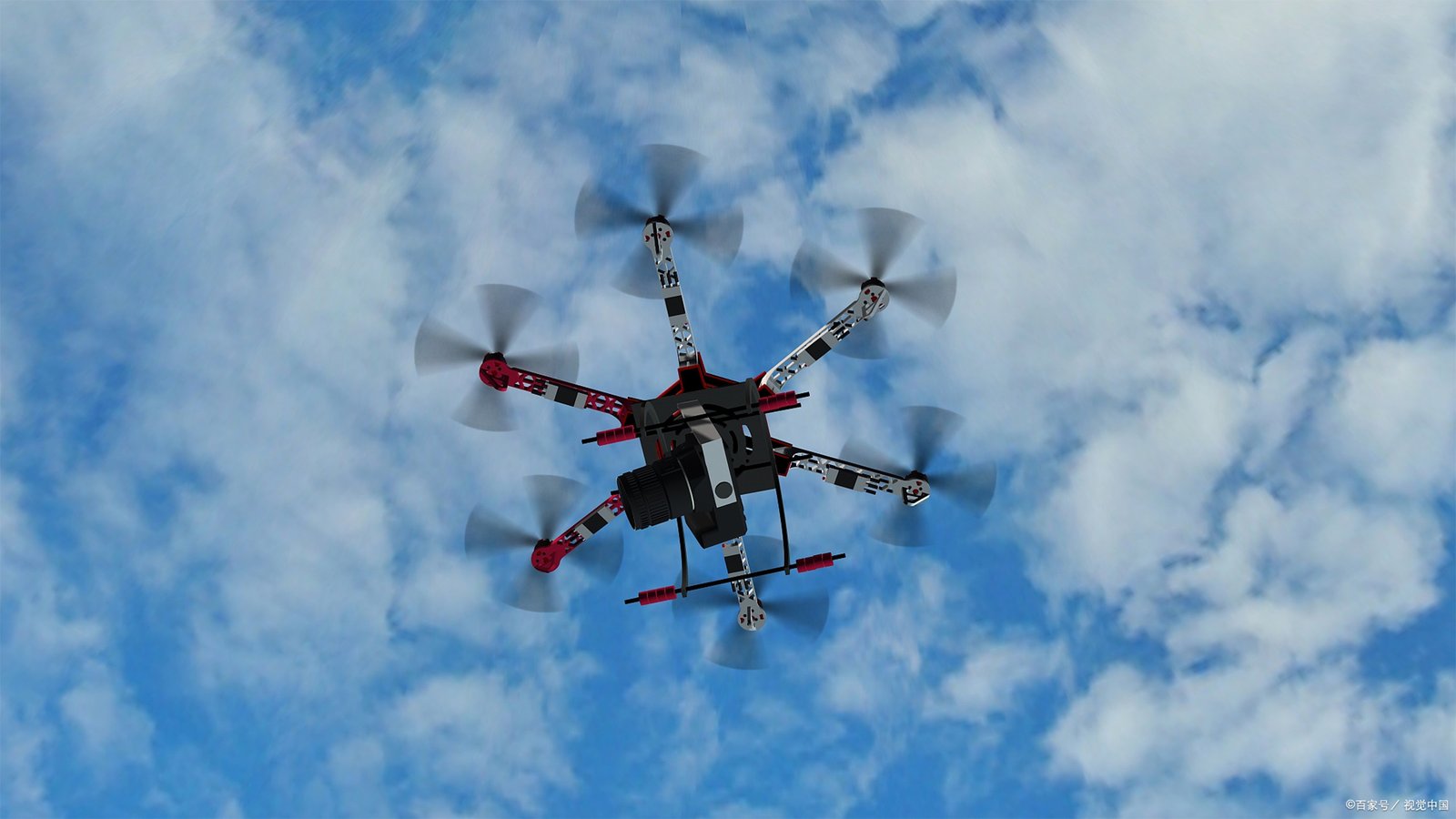
Multi-rotor Platforms
Integrated Aerial Systems – Mission-Ready Out of the Box
SoarApex Multi-rotor Platforms are delivered as complete, turnkey aerial solutions – combining the airframe, long-range data link, ground control station, and mission payload into one validated system. Every configuration is pre-tested for RF compatibility, flight stability, and software integration by our engineering team.
Multi-rotor Platforms System Integration at the Core
Every platform is more than a drone – it’s a complete aerial system integrating airframe, data link, ground control, and mission software into one validated solution.
Antenna Tracking System
Auto-tracking directional antennas maintain stable communication beyond visual line of sight. Compatible with SDL MK22/MK55 data links for uninterrupted HD video and telemetry.
Wireless Data Link
SoarApex SDL series provides encrypted, long-range communication with mesh networking capability. AES-256 encryption ensures secure mission data transmission.
Ground Control Station
UniRC10 Pro ground station with 10.1″ sunlight-readable display. Triple-frequency redundancy and unified MAVLink protocol stack for seamless control.
Pre-Integrated Multi-rotor Solutions
4-motor UAV and 6-motor UAV drones combine a proven multi-rotor platforms with SoarApex data links and ground control systems. All configurations are validated for electromagnetic compatibility, link stability, and mission software integration.
- Airframe: X4 or X6 configurable — X4 for corridor surveys, X6 for heavy sensor payloads
- Data Link: SDL MK55 – 55km NLOS HD video & telemetry, AES-256 encryption
- GCS: UniRC10 Pro, 10.1″ sunlight-readable, triple-frequency redundancy
- Payload: 4K EO + 640×512 IR dual-sensor gimbal with AI defect detection pre-load
- Software: Pre-loaded inspection waypoint libraries for transmission towers, PV arrays, and bridge decks; automated report generation with thermal anomaly marking
- Airframe: X4 quick-fold configuration — sub-3-minute from case to airborne, IP54-rated for adverse weather
- Data Link: SDL MK22 with mesh networking — multi-node relay for beyond-line-of-sight coordination in complex terrain
- GCS: UniRC10 Pro or portable single-screen backpack GCS for forward-operating bases
- Payload: Modular mission bay – loudhailer, searchlight, thermal imaging, or emergency supply drop (up to 3kg)
- Software: GPS-denied navigation module, real-time situational awareness overlay, interoperable with public safety command networks
Why SoarApex Integrated Multi-rotor Platforms?
Pre-validated systems that eliminate integration risk and accelerate deployment.
Pre-Validated Compatibility
Every airframe, data link, and GCS combination undergoes RF coexistence testing and flight validation before delivery. Eliminate field integration failures and RF interference risks. Learn more about RF integration standards.
Unified Firmware & SDK
Single firmware architecture across airframe and data link. Mission planning, real-time telemetry, and payload control through a unified software interface based on MAVLink protocol.
Rapid Deployment Support
Field engineering team available for initial setup, pilot training, and mission workflow optimization. Typical deployment: 2–4 weeks from PO to mission-ready. See FAA commercial drone operations guidelines.
Lifecycle Technical Support
Dedicated account engineer, spare parts inventory, and firmware update pipeline. 12-month standard warranty with extended service contracts available.
Regulatory Compliance Package
Pre-configured documentation for Civil Aviation Administration certification, including radio frequency licenses, airworthiness reports, and operational manuals. Accelerate your approval timeline by 30–60 days. Reference ICAO UAS regulations.
Modular Open Architecture
Upgrade individual components – airframe, radio, or software – without replacing the entire system. Protect your long-term investment value with our unified MAVLink protocol stack.
Multi-rotor Platforms System Architecture
Modular, open-architecture design with unified protocol stack for seamless integration and future upgrades.
Airframe
X4 / X6 Platform
Flight Controller
Data Link
SDL MK22 / MK55
22-55km Range
Ground Station
UniRC10 Pro
10.1″ Display
Mission Payload
EO/IR / LiDAR
Custom Sensors



Ready to Equip Your Fleet?
Tell us about your multi-rotor platforms mission – we will reply within 24 hours with a tailored proposal.
Phone
+86-139-0299-6786
saga@soarapex.com
Response Time
Within 24 Hours