
Description
MK100 100Km Wireless Video Data Transmission System – C2 System Solutions for Industrial UAV/USV/UGV BVLOS Missions
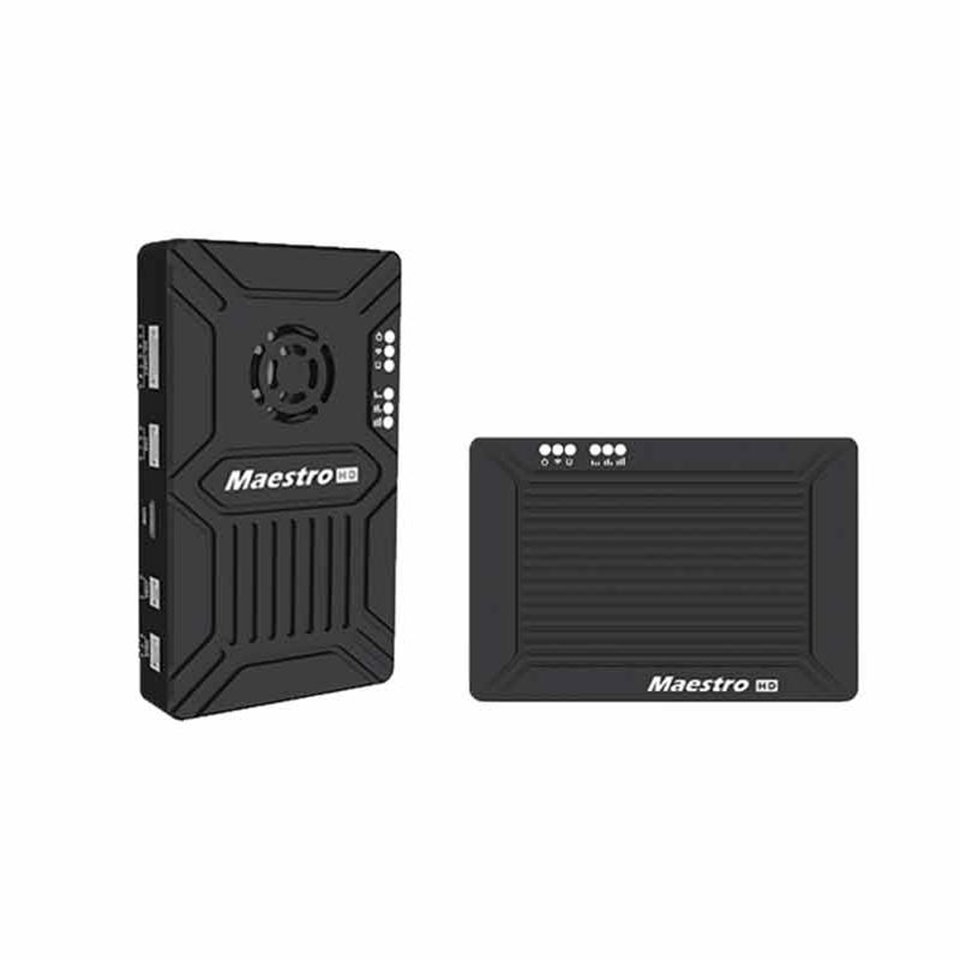
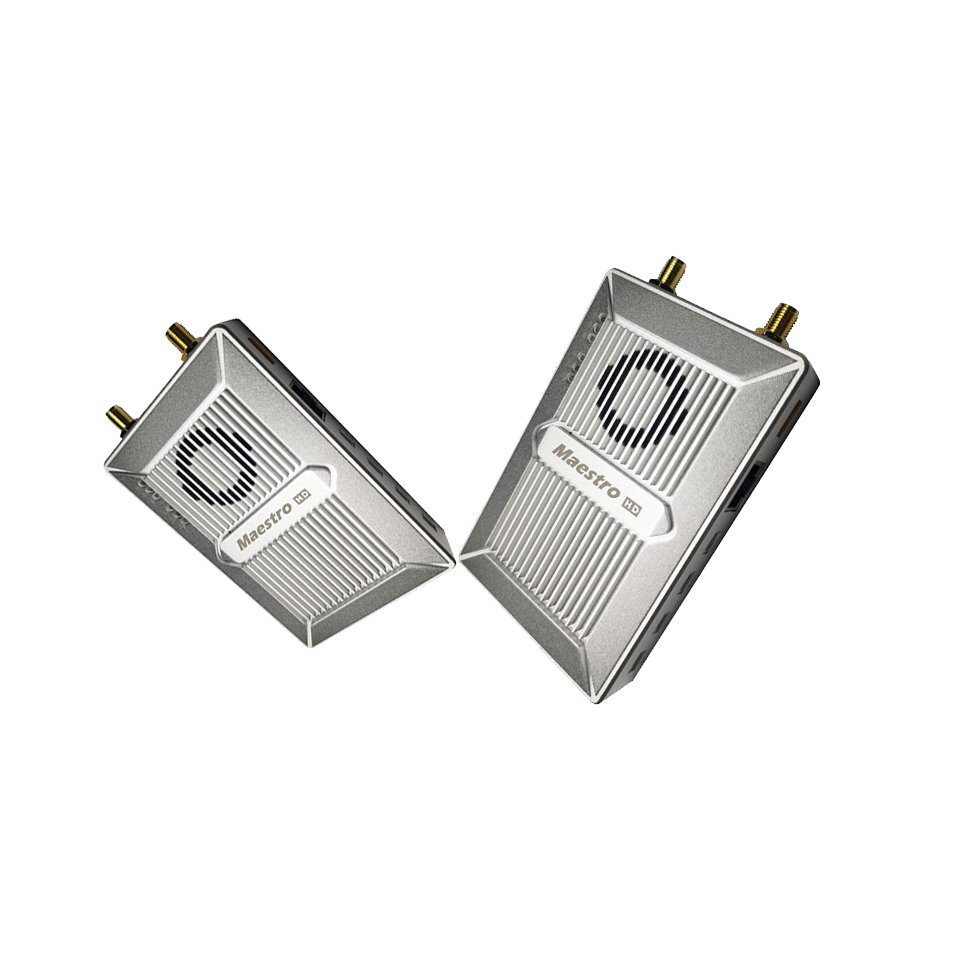
SoarApex MK100 100Km Wireless Video Data Transmission System Product Overview:
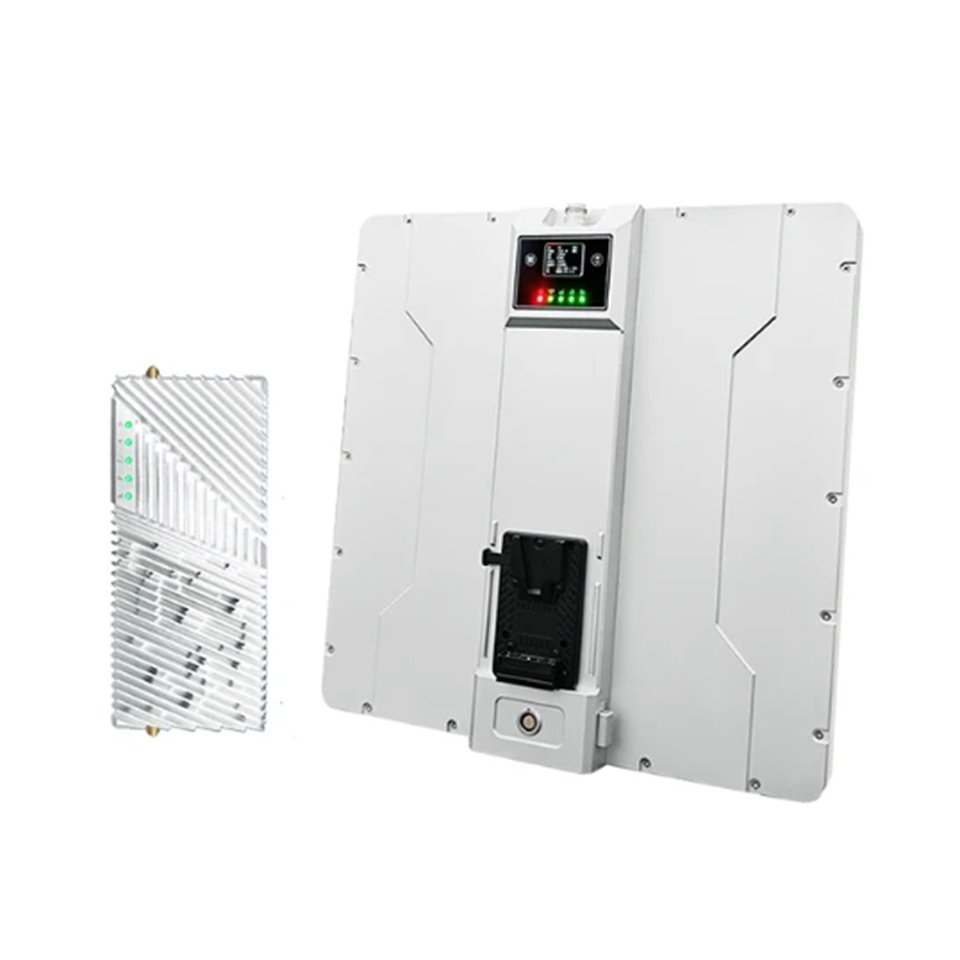
The SoarApex MK100 100Km Wireless Video Data Transmission System is a 100-kilometer ultra-long-range wireless video data link engineered for professional unmanned aerial vehicle operations. Built upon the proven MK series platform architecture, this system delivers stable high-definition video transmission with ultra-low latency below 30 milliseconds, establishing a new benchmark for beyond-visual-line-of-sight missions in industrial inspection, surveillance, and emergency response applications.
The MK100 100Km Wireless Video Data Transmission System addresses the most demanding communication requirements for Fixed-wing Platforms conducting extended-range survey missions, Multi-rotor Drones performing infrastructure assessment, and FPV & Specialized Platforms operating in challenging electromagnetic environments. Its extended transmission capability eliminates the operational constraints imposed by conventional short-range data links, enabling truly autonomous missions across vast geographic areas.
Key Features of MK100 100Km Wireless Video Data Transmission System
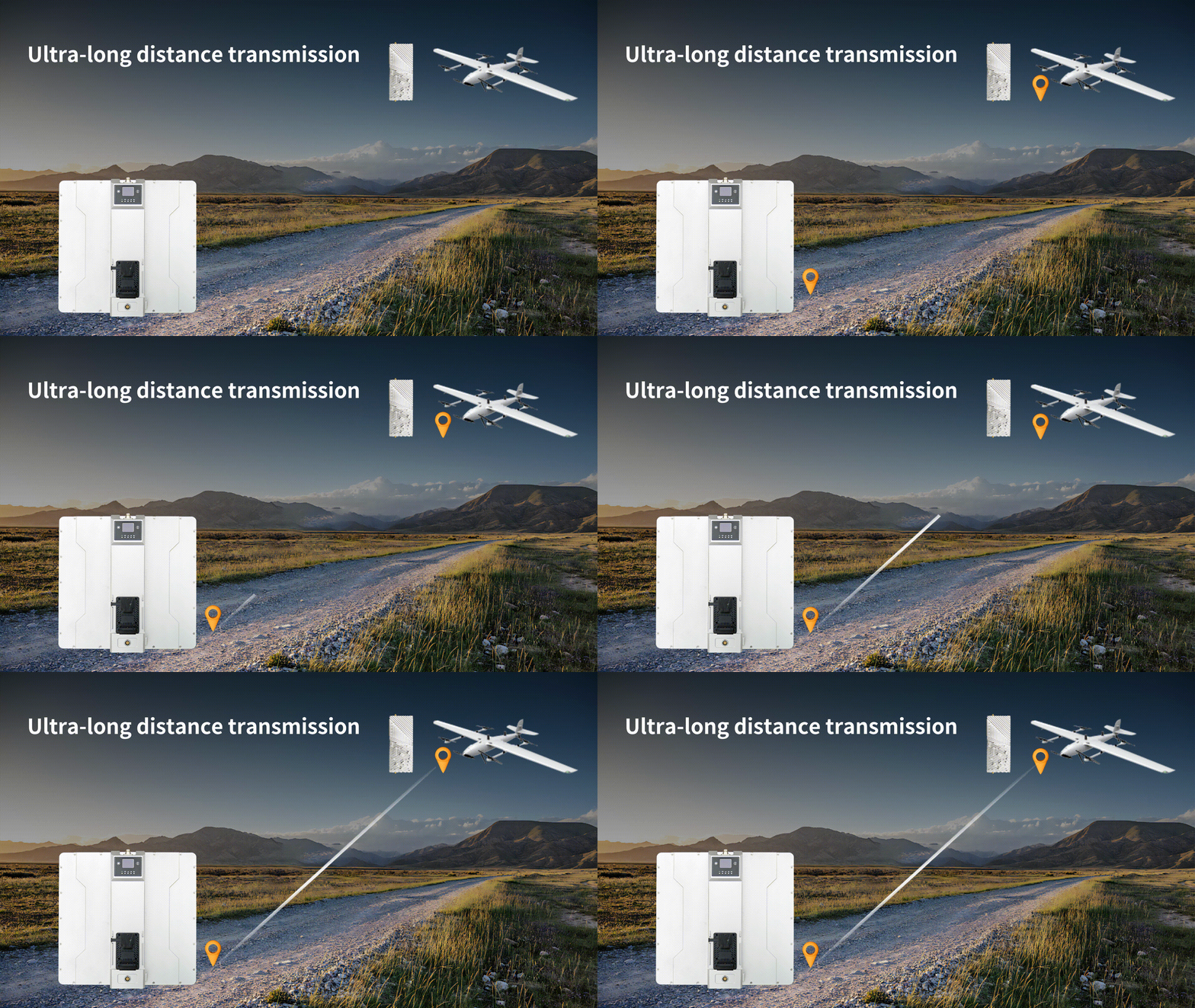
100-Kilometer Transmission Range
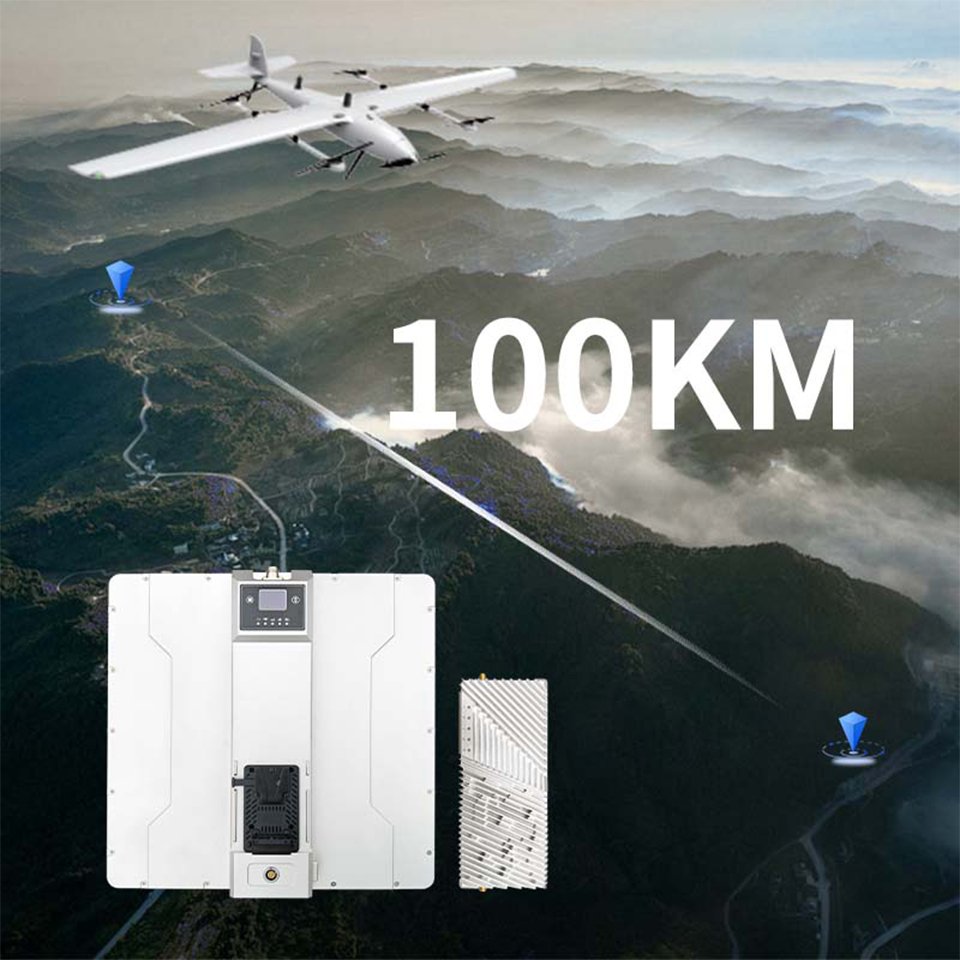
The MK100 100Km Wireless Video Data Transmission System achieves extended transmission distances up to 100 kilometers under optimal propagation conditions, making it suitable for large-scale industrial applications where aircraft operate far beyond conventional radio horizons. This range capability supports power line corridor inspection across entire utility networks, pipeline monitoring along extended right-of-ways, and maritime surveillance across broad coastal sectors.
Multi-Channel Concurrent Transmission
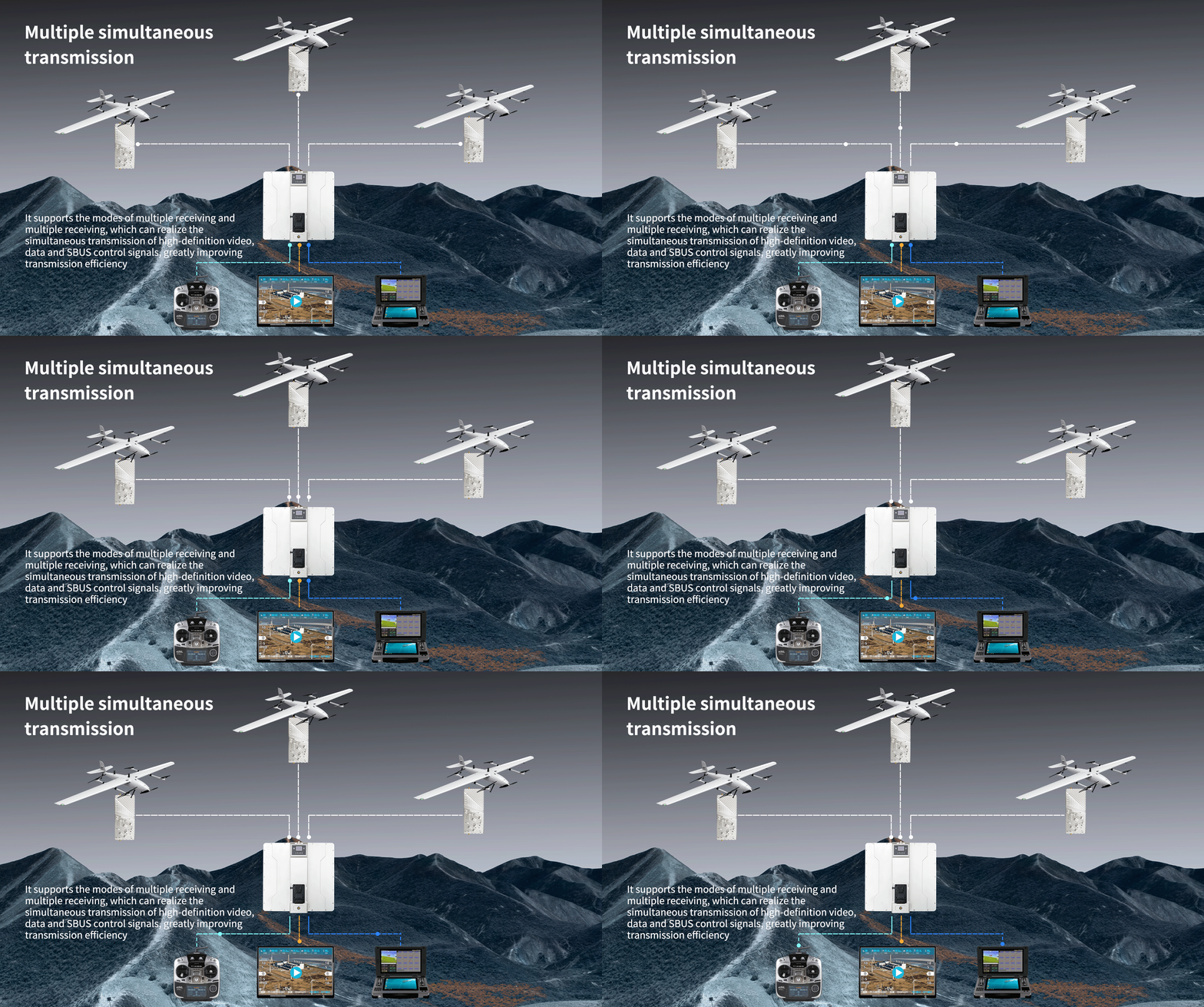
The system simultaneously transmits video streams, telemetry data, and control commands through independent logical channels. This concurrent multi-stream architecture eliminates the bandwidth contention and latency jitter associated with time-division multiplexing, ensuring that critical flight control commands receive priority transmission while high-bandwidth video continues uninterrupted.
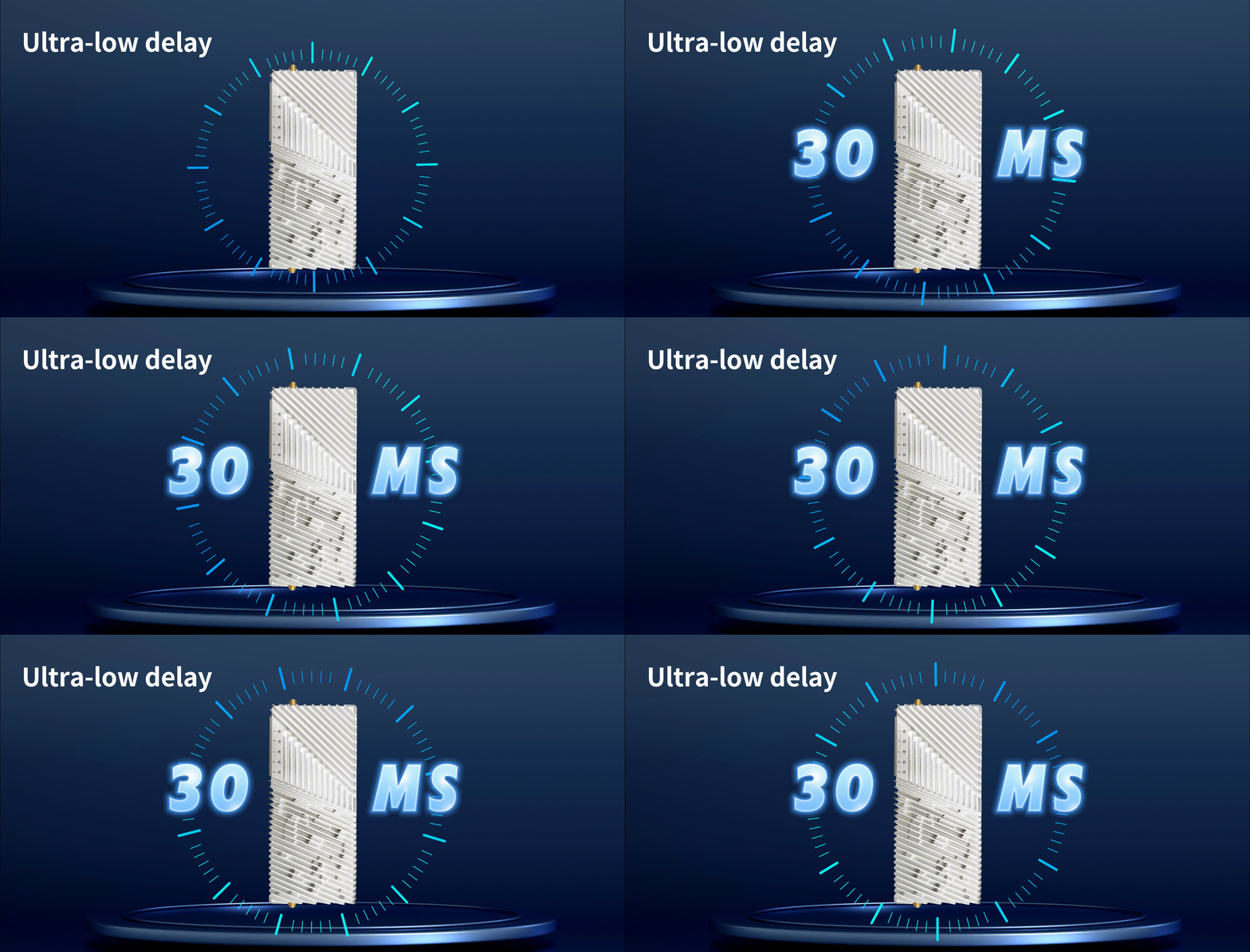
Ultra-Low Latency Performance
With end-to-end delay below 30 milliseconds, the MK100 100Km Wireless Video Data Transmission System delivers the real-time responsiveness essential for precision flight maneuvers, close-proximity inspection tasks, and emergency intervention scenarios. This latency performance ensures that operators perceive no perceptible delay between control input and system response, maintaining situational awareness and operational confidence throughout the mission envelope.
Dual Link Mode Architecture
The MK100 100Km Wireless Video Data Transmission System supports flexible network topologies including one-to-many distribution, many-to-one aggregation, and relay configurations. This dual link mode enables complex operational scenarios such as fleet management from a single ground station, distributed sensor networks with centralized data fusion, and multi-hop relay chains that extend effective range beyond the single-link limit.
Anti-Interference with Automatic Frequency Hopping
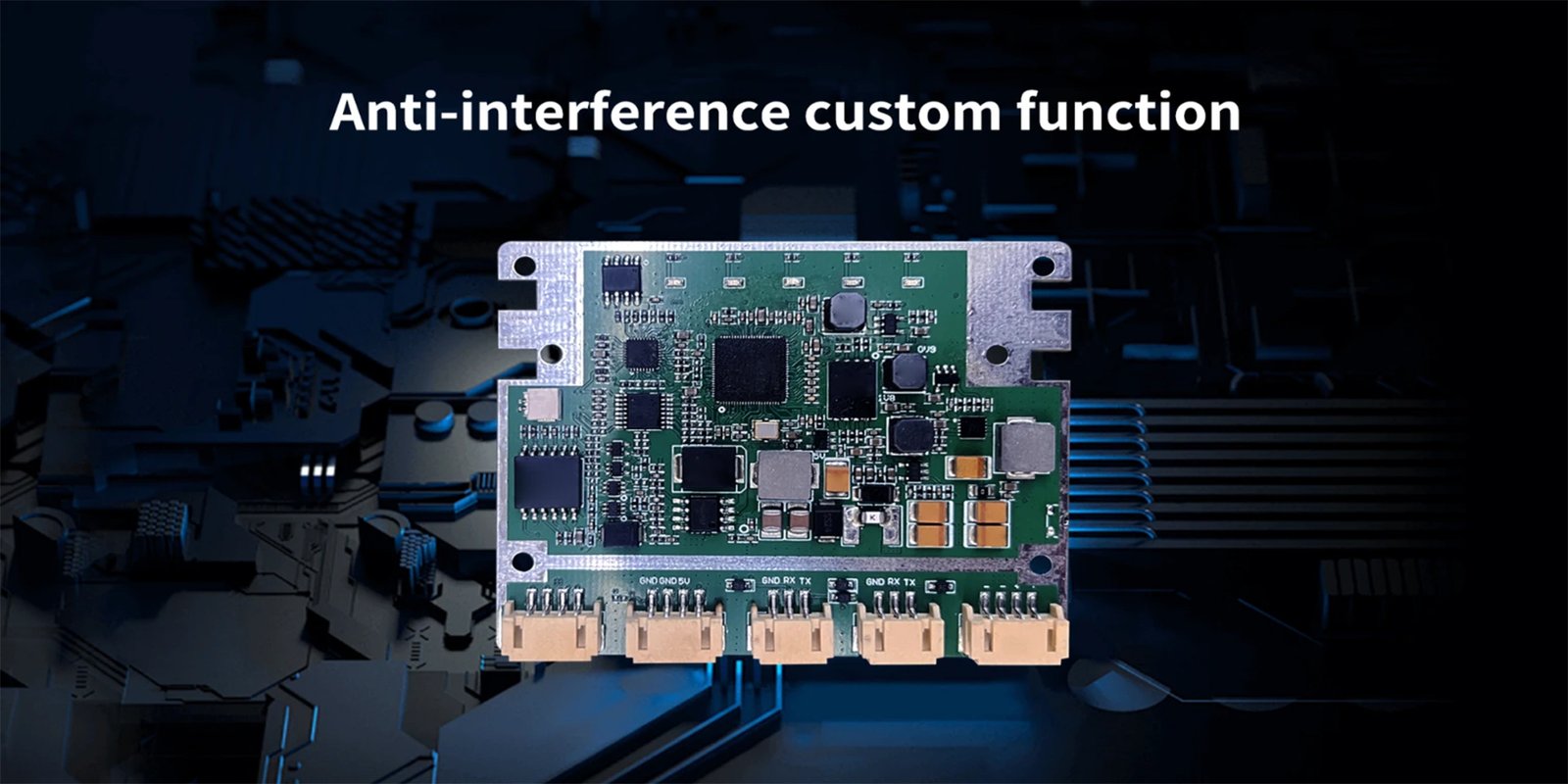
The system employs automatic frequency hopping spread spectrum technology to maintain signal stability in congested spectrum environments. By rapidly switching across multiple frequency channels within the allocated band, the MK100 100Km Wireless Video Data Transmission System mitigates co-channel interference, intentional jamming, and transient noise sources that would disrupt fixed-frequency links. This interference resilience is critical for operations in urban airspace, industrial zones, and contested electromagnetic environments.
Flexible Power and Mounting Configuration
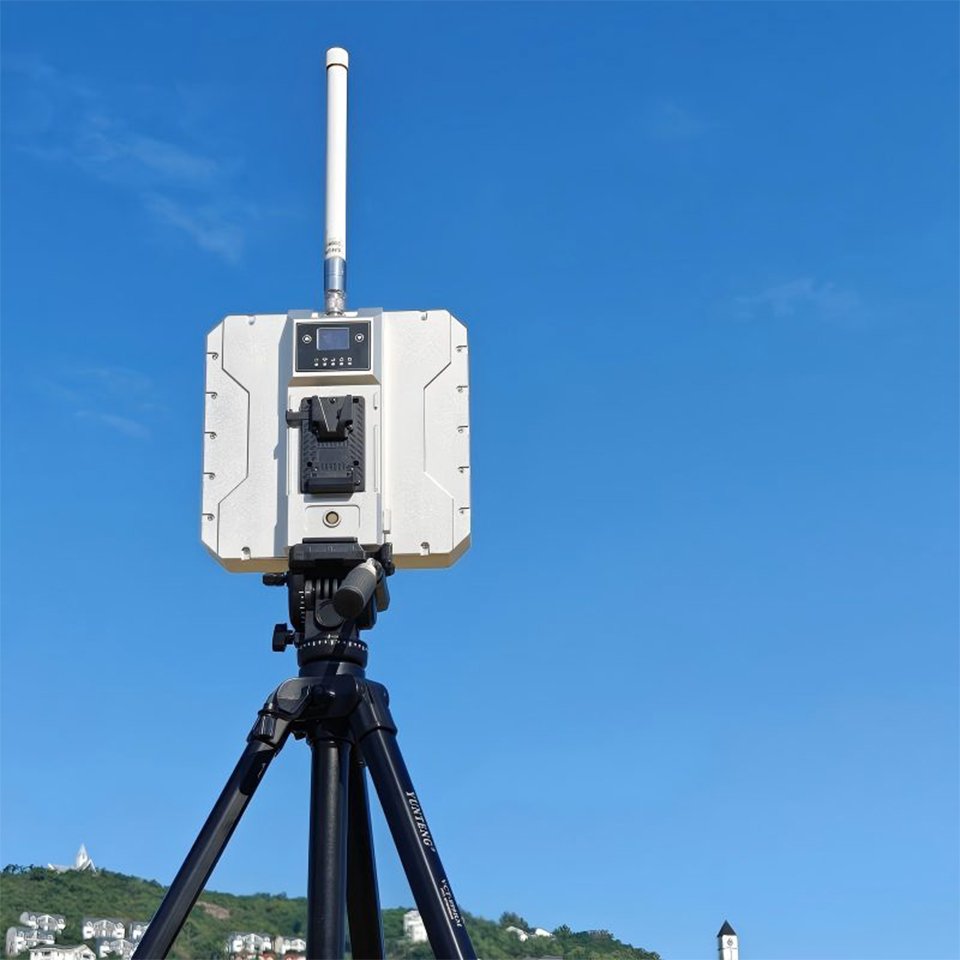
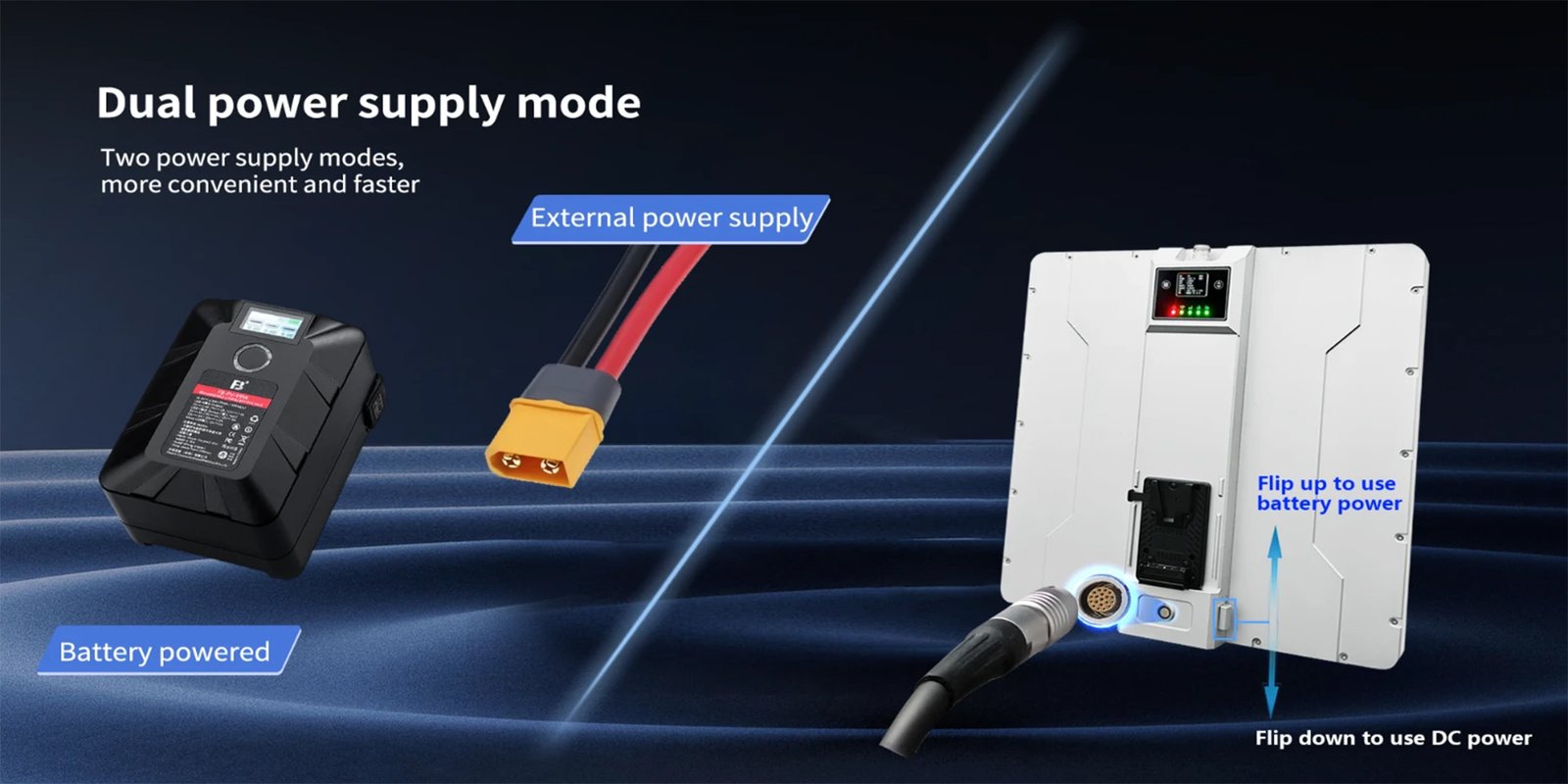
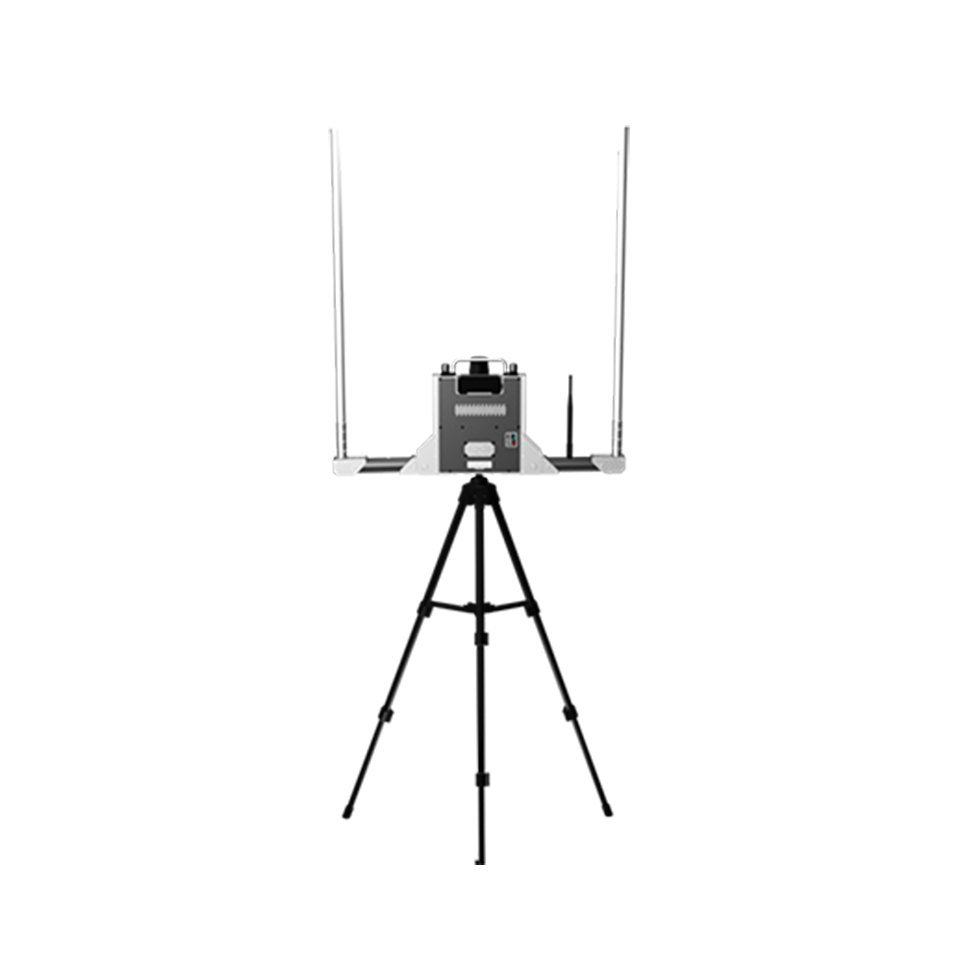
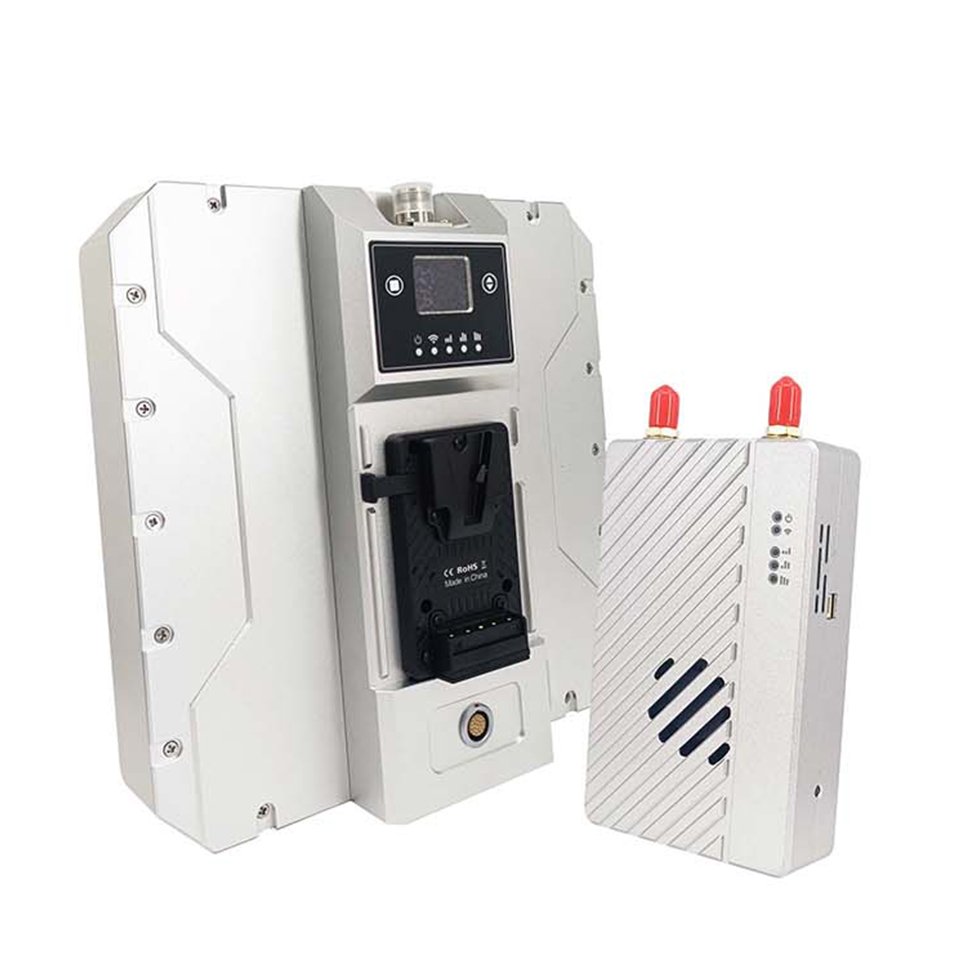
The ground terminal supports dual power input modes including DC supply and battery operation, ensuring continuity across diverse deployment scenarios. The universal tripod mounting interface enables rapid field setup with standard photography and survey equipment, reducing logistical complexity and setup time for mobile operations.
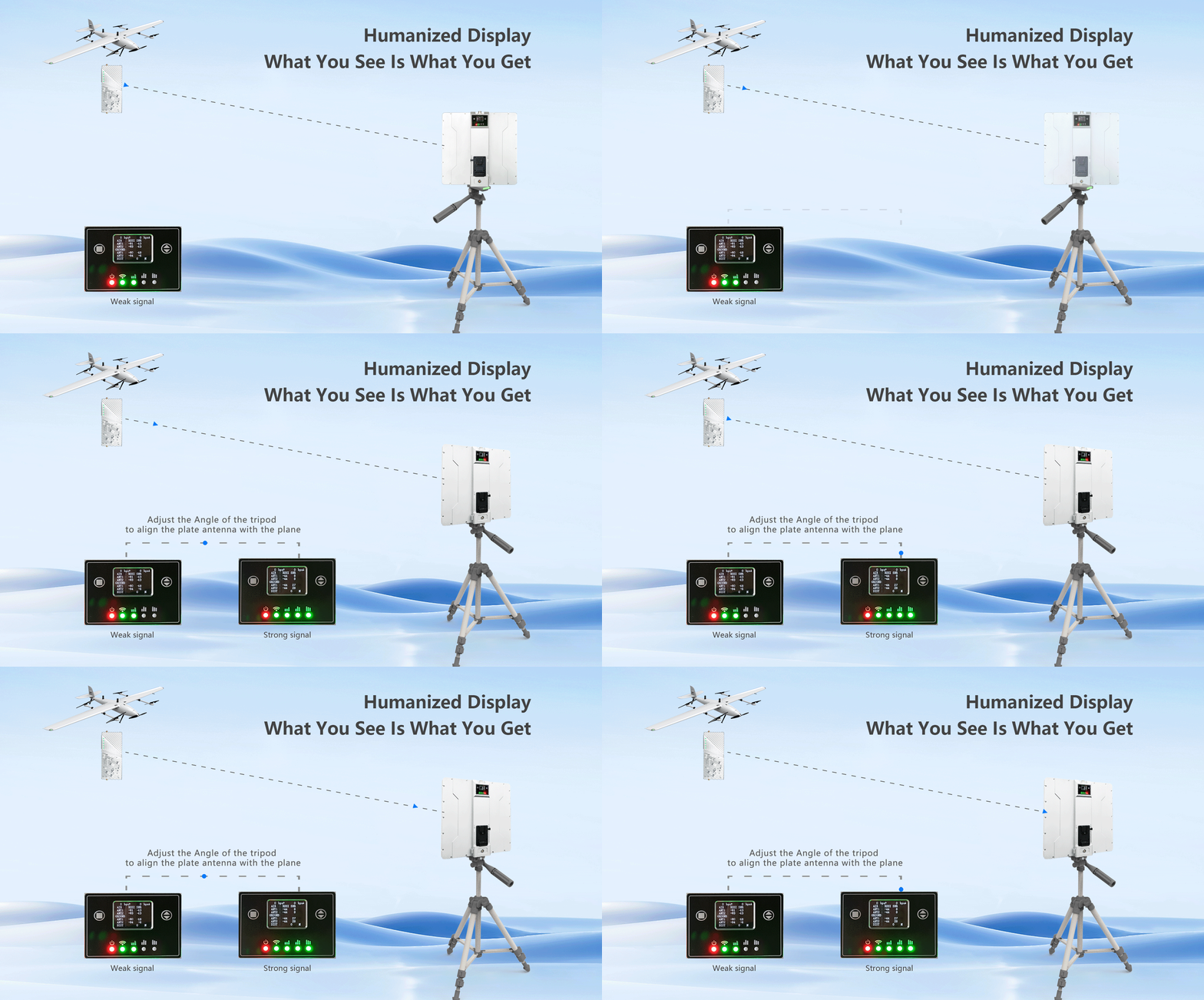
Ground Station Display and Alignment
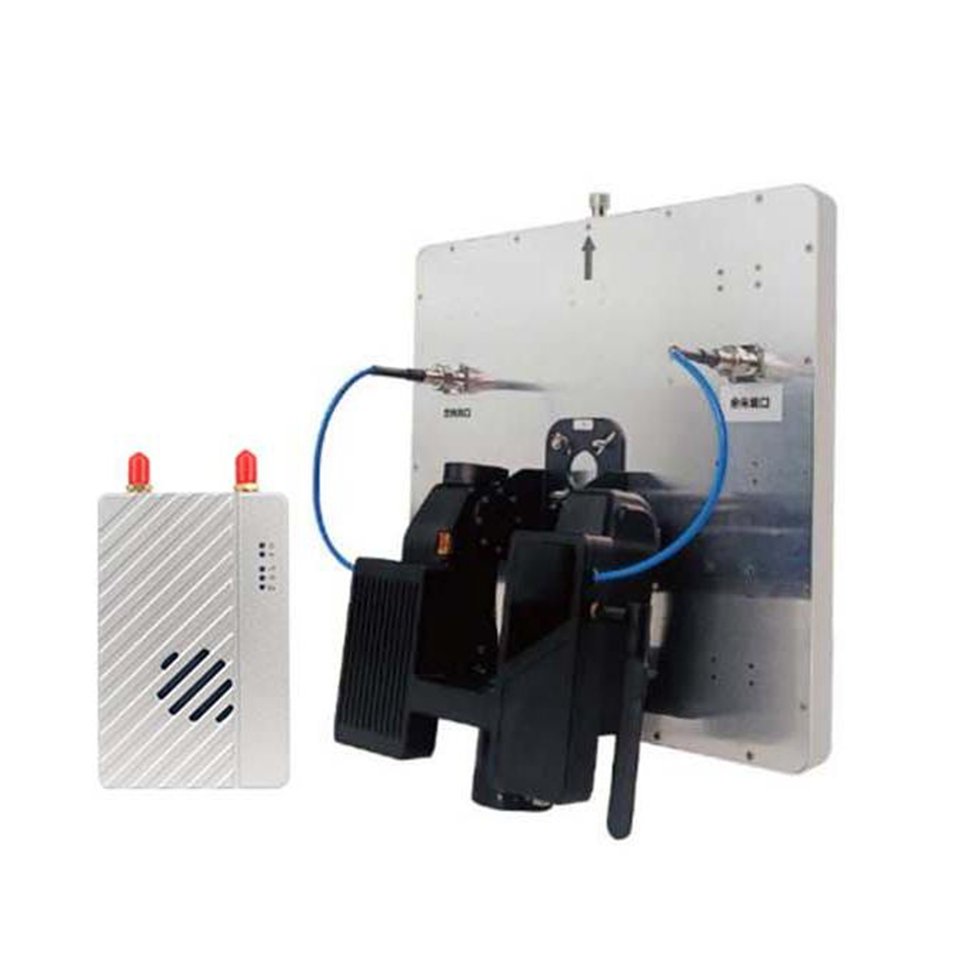
The ground unit features an integrated OLED display presenting real-time signal strength indication, signal-to-noise ratio, IP addressing information, and data throughput statistics. Operators can rapidly align the flat panel directional antenna by observing displayed values, achieving optimal bore sight orientation without external test equipment. This closed-loop alignment process ensures maximum link budget utilization and stable communication performance throughout dynamic flight profiles.
For UAV Control Station operations, this real-time feedback enables informed decisions regarding flight path optimization, antenna repositioning, and mission abort criteria based on actual link quality metrics rather than estimated performance.
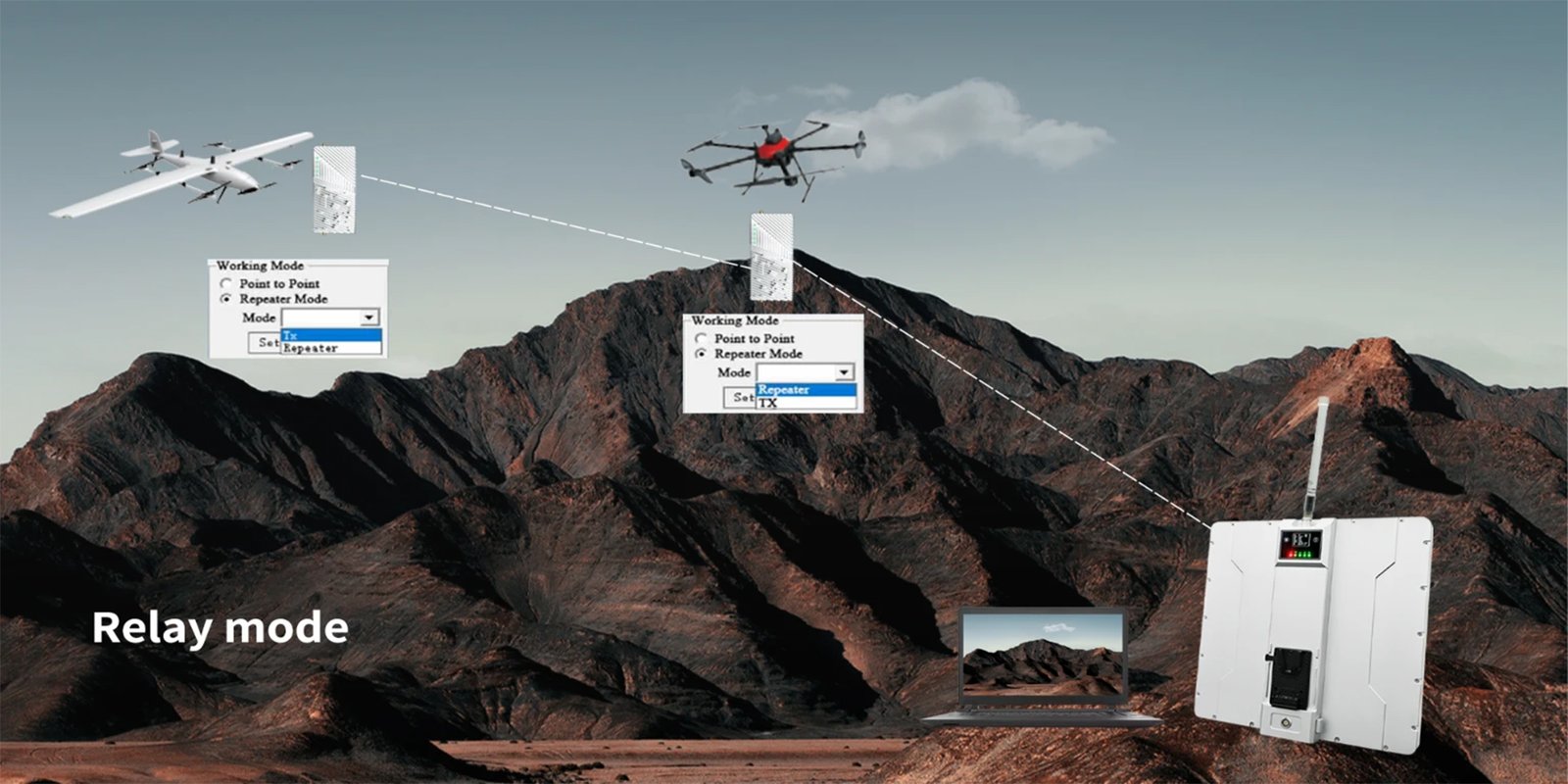
Relay Mode for Extended Coverage
The MK100 100Km Wireless Video Data Transmission System relay mode expands effective operating range by forwarding signals through intermediate airborne or ground-based nodes. This topology effectively solves physical obstruction problems encountered in complex terrain including mountainous regions, urban canyons, and forested areas where direct line-of-sight cannot be maintained. By strategically positioning relay nodes at high points or along the mission corridor, operators establish continuous connectivity chains that significantly improve link stability and reliability.
The relay architecture is particularly valuable for UAV Industrial Solution deployments in disaster response scenarios where terrain masking and infrastructure damage challenge conventional communication paths.
SoarApex MK100 100Km Wireless Video Data Transmission System Recommended Applications
Industrial Drone Inspection for Powerline and Pipeline Infrastructure
For power transmission line and pipeline inspection missions, equip the unmanned aerial vehicle with a 10-watt 1.4-gigahertz radio module and pair with a ground station high-gain directional antenna. In severe terrain with significant obstruction, deploy a relay drone hovering at elevated terrain features for signal forwarding. Reserve sufficient link budget margin to accommodate atmospheric attenuation, vegetation absorption, and precipitation scattering effects that degrade signal strength over extended paths.
Maritime and Lake Communication
Sea surface reflection creates significant multipath interference that challenges conventional radio links. The MK100 100Km Wireless Video Data Transmission System employs COFDM modulation with strong anti-multipath algorithms to maintain connectivity over water surfaces. For distances exceeding 50 kilometers, establish a relay station on an island, offshore platform, or coastal tower at the midpoint to maintain reliable connectivity across broad water bodies.
Emergency Command and Border Patrol
Deploy mesh self-organizing network base stations in vehicle-mounted or backpack configurations for rapid temporary network establishment. The MK100 supports in-motion communication with automatic link reconstruction when ground stations are mounted on moving vehicles, ensuring continuous connectivity during convoy operations, pursuit scenarios, and dynamic perimeter patrols.
Engineering Considerations of MK100 100Km Wireless Video Data Transmission System
Single-Hop Limitations
Unless operating over open sea with extremely high-gain directional antennas, single-hop 100-kilometer links are vulnerable to Earth curvature effects, terrain masking, and atmospheric refraction. Multi-hop relay represents the more robust engineering choice for reliable extended-range communication, providing path diversity and reduced susceptibility to single-point failures.
Bandwidth versus Distance Trade-Off
Extended transmission distances reduce received signal-to-noise ratio and consequently available channel bandwidth. A 100-kilometer link typically maintains 4 to 10 megabits per second stable throughput, suitable for high-definition 1080P video transmission rather than ultra-high-definition 4K streams. Mission planners should align payload resolution requirements with realistic link capacity expectations.
Regulatory Compliance
Operators must confirm local radio management filing requirements for the 1.4-gigahertz industrial band to ensure authorized frequency use. Regulatory frameworks vary by jurisdiction, with some regions requiring spectrum licenses, equipment certification, or operational permits for high-power data links. Compliance with FAA beyond-visual-line-of-sight guidelines and ITU frequency regulations is essential for legal and safe operations.
Portable Power Station Compatibility
Pair the MK100 100Km Wireless Video Data Transmission System with the SoarApex E3800LFP outdoor mobile power station for extended field operations. Solar charging panels enable continuous power supply with operation duration determined by mission requirements rather than battery capacity. This integration ensures that BVLOS Antenna Tracking System hardware and ground station equipment maintain uninterrupted operation throughout multi-day deployments.
Related Products – 30~200Km Wireless Video Data Transmission System
For antenna tracking integration, the ATS10 Long-Distance Antenna Tracking System provides automatic beam steering that maximizes MK100 100Km Wireless Video Data Transmission System link margin throughout dynamic flight profiles. For shorter range requirements, the MK17 17-kilometer wireless data link offers a cost-effective alternative for missions within its operational envelope.
Technical Specifications Summary
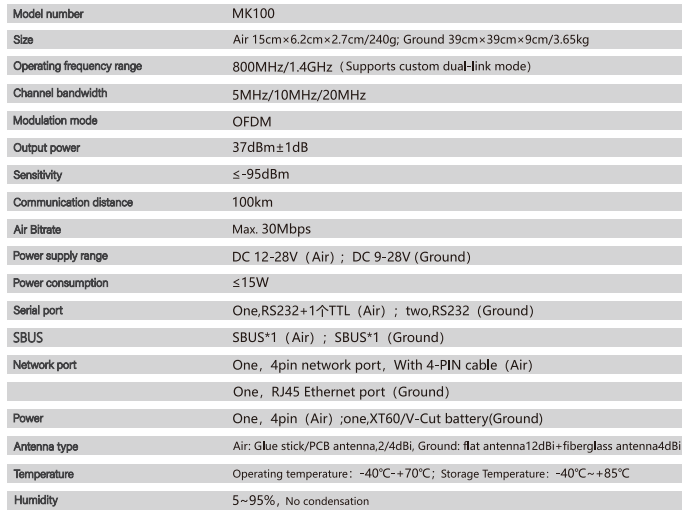
- – Maximum Range: 100 kilometers (optimal conditions)
- – Latency: Less than 30 milliseconds
- – Transmission: Simultaneous video, telemetry, and control data
- – Network Modes: One-to-many, many-to-one, relay
- – Anti-Interference: Automatic frequency hopping
- – Power Input: Dual mode (DC and battery)
- – Mounting: Universal tripod interface
- – Display: OLED with RSSI, SNR, IP, and throughput
- – Recommended Bandwidth: 4-10 Mbps at 100km
- – Regulatory Band: 1.4 GHz industrial band
Frequently Asked Questions
What is the maximum transmission range of the MK100?
The MK100 supports up to 100-kilometer wireless video transmission under optimal propagation conditions. For complex terrain with significant obstruction, multi-hop relay mode is recommended to maintain stable connectivity throughout the mission profile.
Does the MK100 support beyond-visual-line-of-sight operations?
Yes, the MK100 is specifically engineered for beyond-visual-line-of-sight missions including power line inspection, maritime surveillance, and emergency response operations where direct visual observation of the aircraft is impossible.
What is the latency of the MK100 data link?
The MK100 100Km Wireless Video Data Transmission System delivers ultra-low latency below 30 milliseconds, ensuring real-time control accuracy for critical unmanned aerial vehicle operations requiring immediate operator response.
Can the MK100 100Km Wireless Video Data Transmission System operate in relay mode?
Yes, the MK100 100Km Wireless Video Data Transmission System supports intelligent relay mode with one-to-many, many-to-one, and mesh network configurations to extend coverage and overcome terrain obstacles that would block direct line-of-sight paths.
For custom configurations, integration support, and volume pricing inquiries, please contact our engineering team.
Explanation of Industry Terminology
| COFDM modulation | https://en.wikipedia.org/wiki/Coded_orthogonal_frequency-division_multiplexing |
| Signal-to-noise ratio | https://en.wikipedia.org/wiki/Signal-to-noise_ratio |
| Frequency hopping spread spectrum | https://en.wikipedia.org/wiki/Frequency-hopping_spread_spectrum |
| Mesh self-organizing network | https://en.wikipedia.org/wiki/Mesh_networking |
| Atmospheric attenuation | https://en.wikipedia.org/wiki/Atmospheric_attenuation |
Reviews
There are no reviews yet.